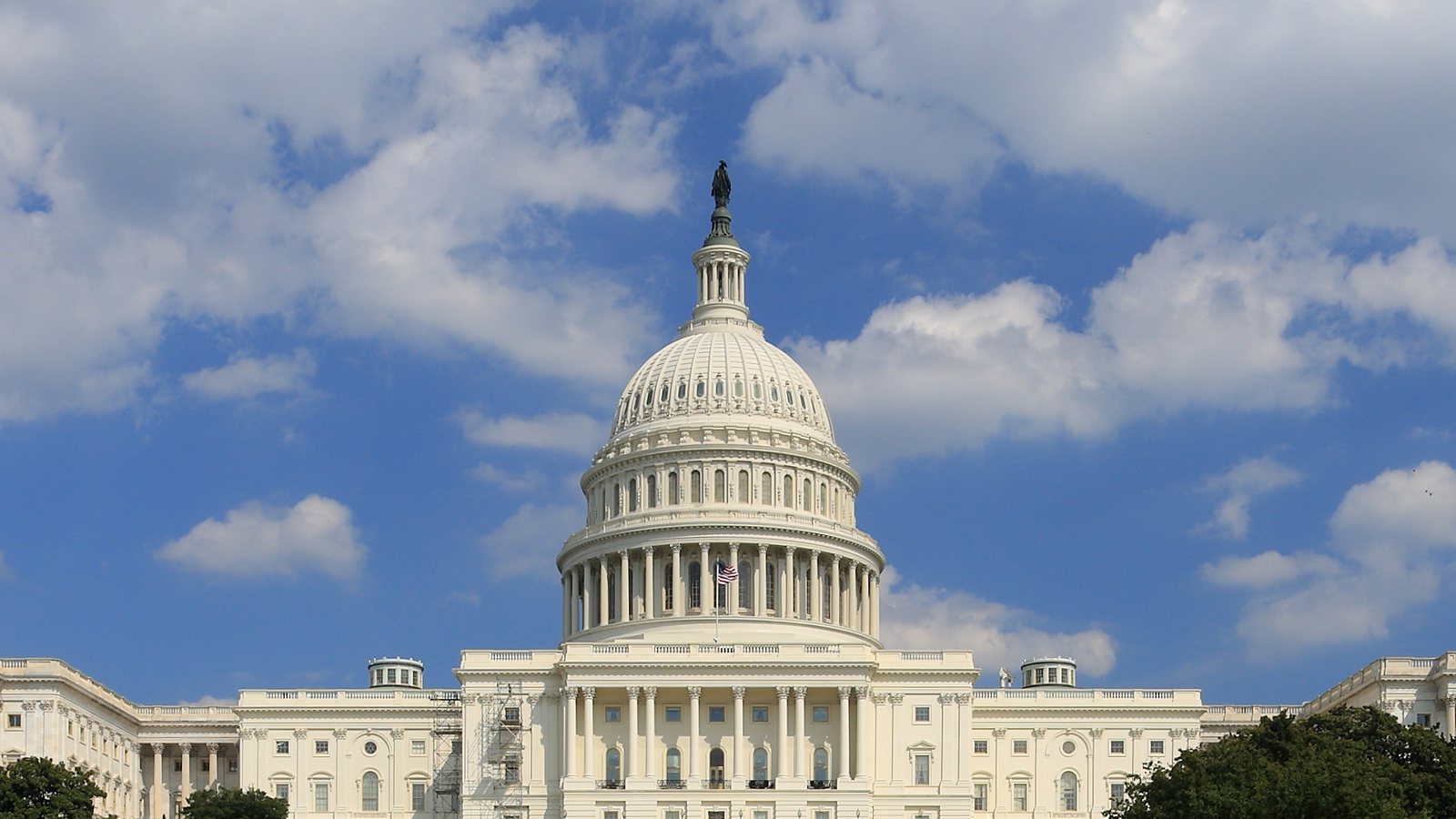
In the United States, federal regulations play a critical role in shaping a wide array of economic and social policies. From environmental protections to workplace safety, regulations impact everyday life and the operations of businesses. Understanding how these regulations are created and implemented is essential for citizens and businesses alike.

The Legislative Framework
Federal regulations are established through a complex legislative framework. The process typically begins with the enactment of laws by Congress. These laws, known as statutes, outline broad policy goals and grant authority to various federal agencies to create specific regulations that enforce those goals. For instance, the Clean Air Act empowers the Environmental Protection Agency to set air quality standards to protect public health.
The Role of Federal Agencies
Once a statute is passed, the relevant federal agency takes the lead in developing regulations. This involves drafting detailed rules that specify how the law will be implemented. Agencies often conduct research, gather data, and consult with experts and stakeholders during this process. Public input is also encouraged, allowing citizens and organizations to voice their opinions on proposed regulations.
The Notice and Comment Period
One of the key components of this regulatory process is the notice and comment period. After a draft regulation is completed, it is published in the Federal Register, which serves as an official journal for government agencies. The publication includes a notice of the proposed regulation and invites the public to submit comments. This period typically lasts for 30 to 90 days, depending on the complexity of the regulation.
During this time, stakeholders - including individuals, businesses, and advocacy groups - can provide feedback. This input can influence changes to the proposed regulation before it is finalized. Agencies review the comments received and may adjust the regulation accordingly, addressing concerns or suggestions raised by the public.
Finalizing Regulations
After considering public feedback, the agency will finalize the regulation. This final version is again published in the Federal Register, along with an explanation of how the agency responded to public comments. The regulation then becomes law and is enforceable. Agencies are also required to conduct periodic reviews of regulations to ensure they remain relevant and effective.
The Importance of Compliance and Enforcement
Compliance with federal regulations is obligatory for individuals and businesses. Agencies are tasked with monitoring compliance and enforcing regulations, which can include inspections, fines, or other penalties for non-compliance. For businesses, understanding regulatory requirements is crucial, as failure to comply can lead to significant legal and financial repercussions.
Regulatory Challenges and Reforms
The regulatory process is not without challenges. Critics often argue that regulations can be overly burdensome or stifle innovation. In response, there are ongoing discussions about regulatory reform aimed at streamlining processes and reducing unnecessary complexity. Proponents of reform seek to balance the need for protections with the desire for economic growth and flexibility.
The Future of Federal Regulation
As society evolves, so too will the landscape of federal regulation. Issues such as technology, climate change, and public health will continue to shape regulatory priorities. Understanding the regulatory process helps citizens engage in discussions about important policies and hold agencies accountable.
In conclusion, federal regulation is a vital aspect of governance that affects many facets of American life. By comprehending how regulations are crafted, implemented, and enforced, citizens can better navigate the complexities of public policy and its impact on their lives.
For local service context, see Brainrecoverycenters.