
Recent reports have surfaced regarding a tuberculosis outbreak at a federal immigration jail in Aurora, Colorado, where at least 12 detainees have been infected. This incident is part of a concerning trend of health issues in immigration detention facilities across the United States.

Health Concerns in Immigration Detention
The implications of this outbreak extend beyond individual health. It raises significant questions about the conditions within these detention facilities and the capacity of the healthcare systems in place to manage such public health issues. Detention centers are often criticized for overcrowding and inadequate medical care, both of which can exacerbate the spread of infectious diseases.
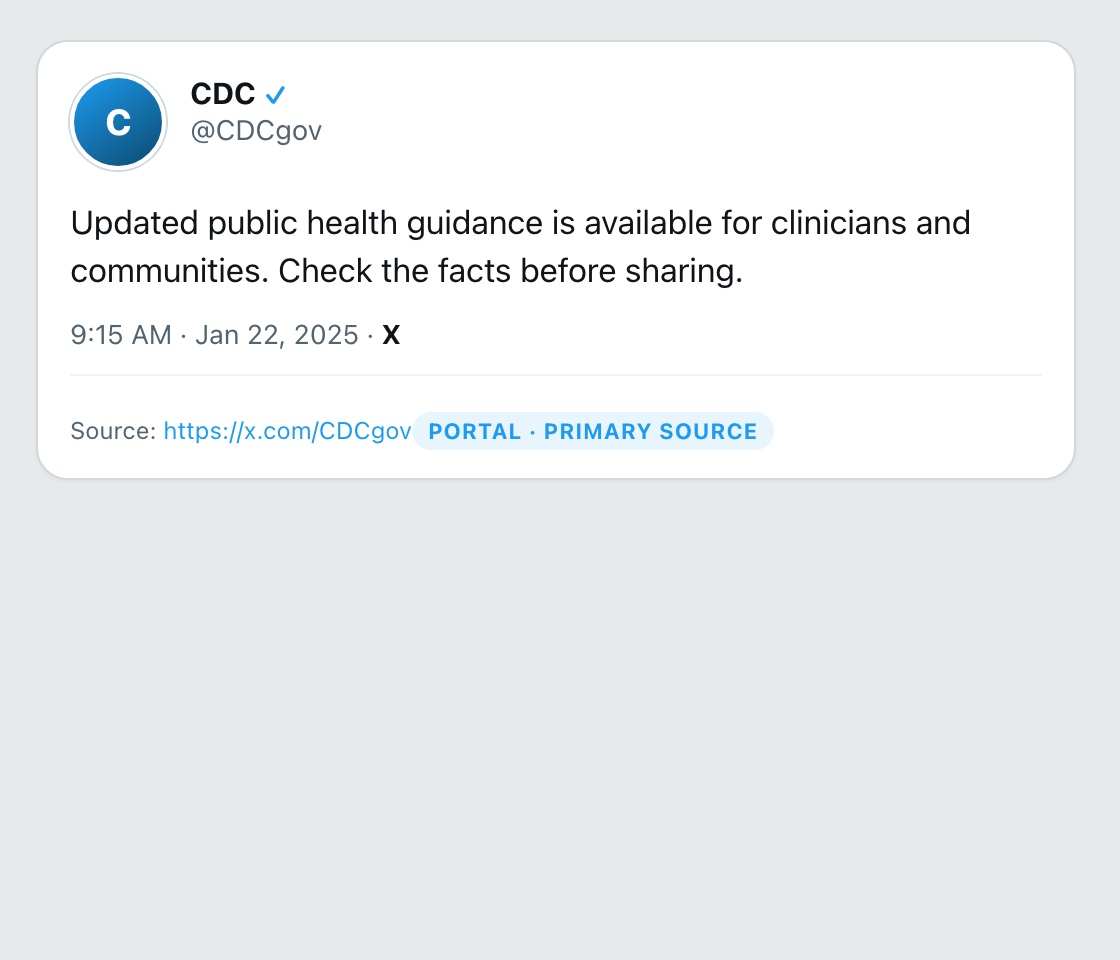
The Centers for Disease Control and Prevention (CDC) has consistently identified tuberculosis as a communicable disease of public health concern, especially in settings where individuals may be in close quarters. In March 2023, the CDC issued guidelines for managing tuberculosis outbreaks in congregate settings, emphasizing the importance of rapid identification and treatment.
Community and Legal Implications
The repercussions of the reported infections are not limited to the detainees themselves but extend to local communities. Detainees often come from diverse backgrounds, and if they are released back into the community without adequate treatment, there is a risk of further transmission. This highlights the need for comprehensive healthcare solutions for migrant populations, as social determinants of health play a crucial role in disease management.
Additionally, the legal implications of such outbreaks are significant. The outbreak has sparked a renewed focus on the treatment of individuals in detention, particularly regarding their right to adequate healthcare. Legal advocates argue that the government has a responsibility to ensure the health and safety of all individuals in its custody, which includes prompt medical attention for contagious diseases.

A recent report by The Guardian indicates that dozens of other detainees may also be facing health risks, raising alarms about the facility's management and overall safety protocols.
Public Health Response
The response to this outbreak will likely involve coordination between local health departments, the CDC, and the facility management to implement testing and treatment protocols. Strategies may include isolating infected individuals, offering vaccination where appropriate, and enhancing sanitation measures within the facility.
Moreover, this situation underscores the importance of having a robust public health framework that can respond to outbreaks effectively, especially in immigrant detention centers where the healthcare infrastructure may be lacking. It is critical for public health officials to prioritize these facilities to prevent future outbreaks.
Conclusion
The tuberculosis outbreak at the immigration detention facility in Colorado is a stark reminder of the health challenges faced by vulnerable populations. It highlights the need for systemic changes in how health care is provided to those in detention. As the situation develops, it will be vital for stakeholders to ensure that the health rights of all individuals, regardless of their immigration status, are upheld.
Open the X thread / post ↗ · @NASA
For local service context, see Joneswater.