From the file. Written for the paper dated October 1999. Opened in the public stacks July 14, 2026.
As the nation’s economy hinges on the efficiency of its transportation systems, rail freight emerges as a critical component in both the movement of goods and the discussion of economic health. Analyzing the data reveals a complex picture that merits attention beyond the surface statistics.
The Backbone of Commerce
Rail freight has long been heralded as the backbone of American commerce. It is responsible for transporting approximately 40 percent of the nation’s freight, making it a vital artery for industries ranging from agriculture to manufacturing. In recent months, discussions around rail freight have heightened, partially due to the ongoing debate over deregulation and the implications for both service and safety.
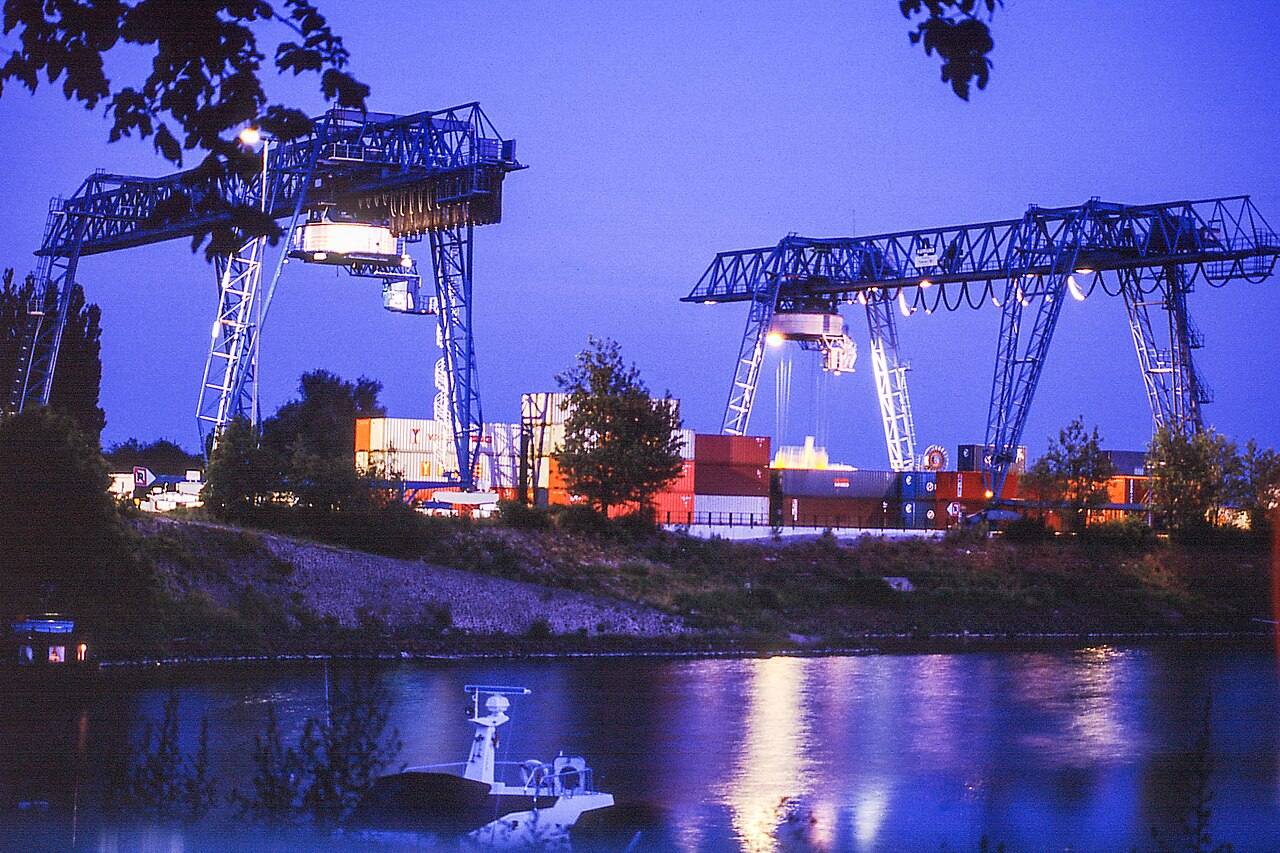
With railroads facing increased competition from trucking companies and alternative shipping modes, one might expect to see a decline in rail freight volumes. However, the numbers tell a different story. According to the Association of American Railroads, rail freight volume has seen a modest increase this year compared to the last. This growth can be attributed to several factors, including a robust demand for coal and intermodal container shipments, which combine rail and truck services.
Understanding the Trends
Looking deeper into the data, it is essential to discern the specific trends contributing to this uptick in rail freight. Coal, for instance, remains a significant driver of rail traffic, as utilities continue to rely on it as a primary energy source. Moreover, intermodal traffic, which allows goods to be transferred seamlessly between rail and truck, has shown particular strength, suggesting that businesses are increasingly leveraging the strengths of both transportation modes.
Yet, while the increase in freight volume is encouraging, it is accompanied by rising concerns over the state of rail infrastructure. Critics argue that many rail lines are in dire need of investment and maintenance, which raises questions about long-term sustainability. In contrast, proponents of deregulation assert that market competition will naturally drive improvements in service and infrastructure without heavy-handed government intervention.
The Political Divide
This debate over rail freight is emblematic of a larger political divide in America. On one side, the left emphasizes the need for regulation and public investment to ensure safety and reliability. The argument is that without government oversight, rail companies may prioritize profit over public safety, risking accidents and service disruptions. On the other hand, the right champions deregulation as a means to spur innovation and efficiency, arguing that free-market principles will ultimately benefit consumers.
“The future of rail freight hinges on balancing safety with innovation, but the extremes of either political side may hinder progress.”
The reality is that both perspectives contain valid points. Excessive regulation can stifle growth and innovation, while a lack of oversight can lead to disastrous consequences. The challenge lies in finding a balanced approach that allows for both safety and innovation to coexist. A unilateral push towards one extreme will likely result in negative outcomes, demonstrating the need for a middle ground.
Environmental Concerns
Additionally, environmental considerations play a significant role in the rail freight discourse. Rail is often touted as a more environmentally friendly option compared to trucking, given its lower carbon footprint when moving goods over long distances. However, the industry is not without its critics. Environmental activists are increasingly vocal about the ecological impacts of coal transport and the potential dangers of hazardous materials being shipped by rail.
As the debate intensifies, it is imperative for policymakers to consider the environmental ramifications of their decisions. A rush towards deregulation without regard for environmental standards could pose significant risks, while overly stringent regulations could stifle the industry’s growth. This issue is particularly pressing as the nation grapples with climate change and the need for sustainable practices across all sectors.
Looking Ahead
As we look toward the future of rail freight, a comprehensive understanding of the current landscape is essential. The statistics reflect a complex interplay of factors: economic growth, infrastructure needs, political ideology, and environmental impact. It is crucial for all stakeholders - rail companies, policymakers, and the public - to engage in constructive dialogue that bridges the divides between left and right.
In conclusion, the rail freight industry stands at a crossroads. The numbers may show growth, but beneath the surface lies a tangled web of challenges that must be addressed. The path forward will require collaboration and compromise, as well as a commitment to fostering an industry that is both efficient and responsible. Only then can rail freight continue to serve as a vital lifeline for the American economy.
✦ ✦ ✦
For local service context, see Joneswater.