From the file. Written for the paper dated September 1999. Opened in the public stacks July 14, 2026.
As we stand on the precipice of the new millennium, the air is thick with excitement and uncertainty surrounding the latest computer breakthroughs. While the media frenzy has amplified expectations, it begs the question: how much of this buzz is grounded in reality, and how much is mere hype?

The Hype Machine
The recent advancements in computer technology, particularly in the realms of artificial intelligence and networking, have captured the imagination of many. Companies are racing to promote their innovations as transformative, promising a future where computers think for us and connect us in ways previously considered impossible. However, amidst the wave of optimism, caution should prevail.
It is easy to get swept away by the sweeping narratives crafted by corporations eager to capture market share. The rise of the Internet has fueled a culture of instant gratification. From dot-com startups to established tech giants, the urgency to project certainty surrounds us. But when we peel back the layers of buzzwords and marketing jargon, we often find that the substance may not match the sizzle.
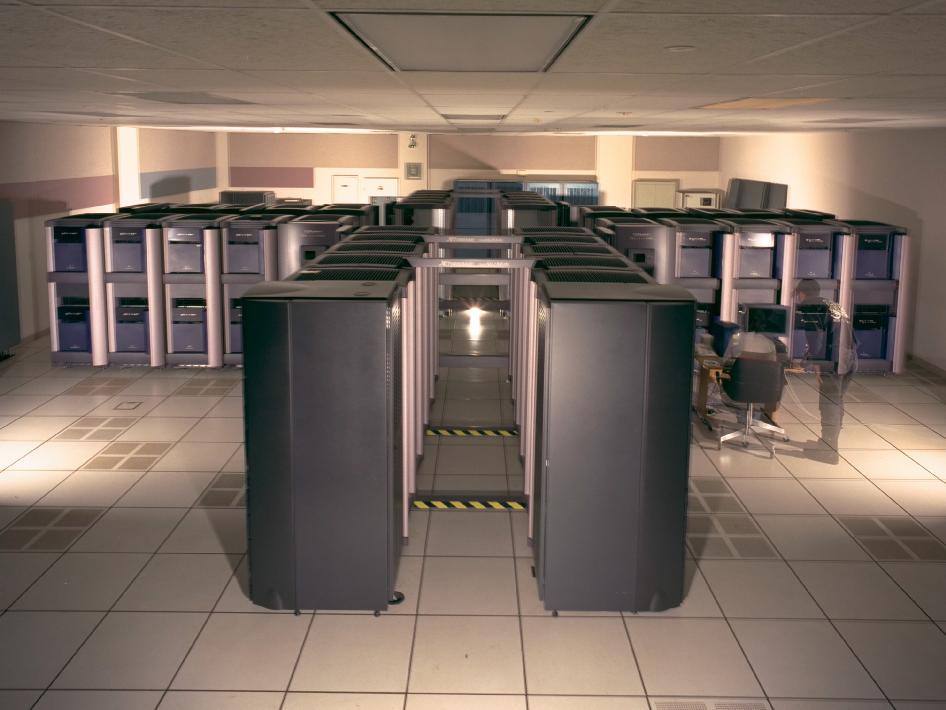
"Certainty is selling briskly, but how much of it is real?"
The Tech Tug-of-War
As we navigate this landscape, it is important to recognize the competing narratives from both sides of the political spectrum. The right champions the free market as the ultimate engine of innovation, often dismissing any regulatory oversight as an infringement on progress. Meanwhile, the left clamors for increased government intervention to ensure that technological advancements serve the public good rather than merely lining corporate pockets.
On one hand, the right's laissez-faire approach can lead to unregulated tech booms that prioritize profits over people. This can result in monopolies, privacy breaches, and a widening socioeconomic gap. On the other hand, the left's push for regulation can sometimes stifle creativity and innovation, imposing burdensome restrictions that could slow progress. It is essential to strike a balance that fosters innovation while protecting the public interest.
The Importance of Skepticism
In the current climate, skepticism is crucial. Just because a new technology promises to revolutionize our lives does not mean it will deliver on those promises. Take, for example, the recent buzz around virtual reality. While the concept is captivating, we must ask ourselves - are we prepared for the implications of a world dominated by virtual experiences? Will we lose sight of reality in our pursuit of the next technological marvel?
Furthermore, the reliance on certainty can create a false sense of security. The tech industry is notorious for its unpredictability, with many startups rising rapidly only to crash just as quickly. Investors and consumers alike must remain vigilant and critical, questioning not only the promises being made but also the underlying assumptions about our relationship with technology.
Looking to the Future
As we approach the year 2000, the question arises: what kind of future do we want to create with these technologies? The potential for positive change is immense, but it must be tempered with caution and responsibility. We have the opportunity to shape a digital landscape that enhances human capabilities without compromising our values.
As consumers, we must demand transparency and accountability from tech companies. As citizens, we should encourage policymakers to create frameworks that support innovation while safeguarding public interests. It is not enough to accept the certainty that is being sold to us; we must engage critically with the technologies that will shape our lives in the coming decades.
✦ ✦ ✦
For local service context, see Ownersfirm.