From the file. Written for the paper dated September 1999. Opened in the public stacks July 14, 2026.
As the 2000 Presidential campaign gears up, the issue of campaign finance has become a hot-button topic, igniting fervent debates among Americans. As the left and right vie for control of the narrative, the implications of campaign finance reform are far-reaching and complex.
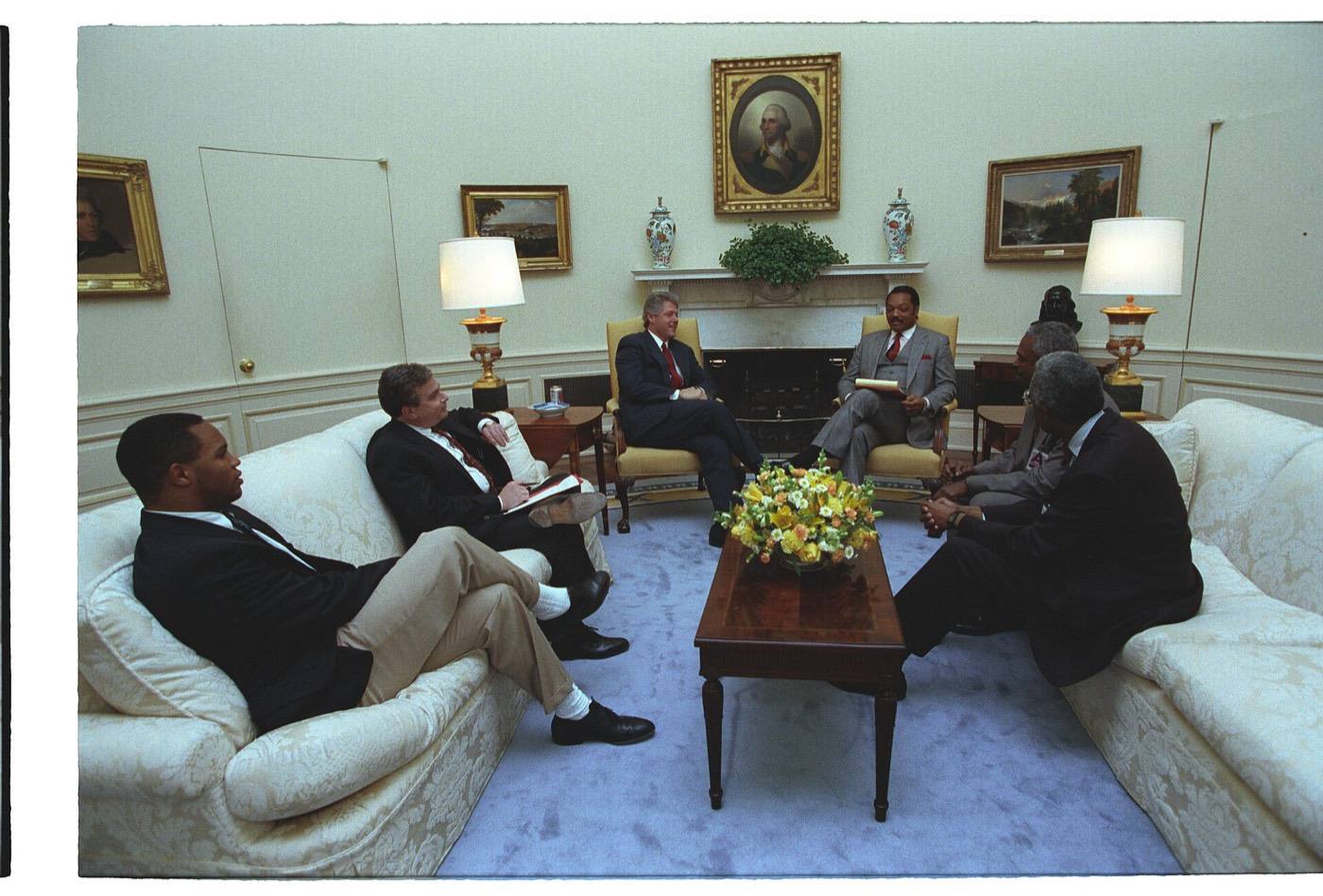
The High Cost of Political Ambition
In a political landscape dominated by massive fundraising efforts and the influence of money, the question arises: who really holds power? The candidates, their parties, and an array of special interests are all vying for a slice of the electoral pie. In this environment, certainty is a prized commodity. Candidates on both sides of the aisle are leaning into their financial backing as if it were a badge of honor, rather than a potential conflict of interest.
The left has seized upon this issue, rallying for campaign finance reform with fervor. They argue that the current system favors the wealthy and leaves the average American voter with little say in the political process. To them, the notion of "one person, one vote" feels increasingly hollow as the cost of running for office skyrockets. There is a palpable sense of urgency, as progressive leaders call for a reimagining of the way campaigns are funded.
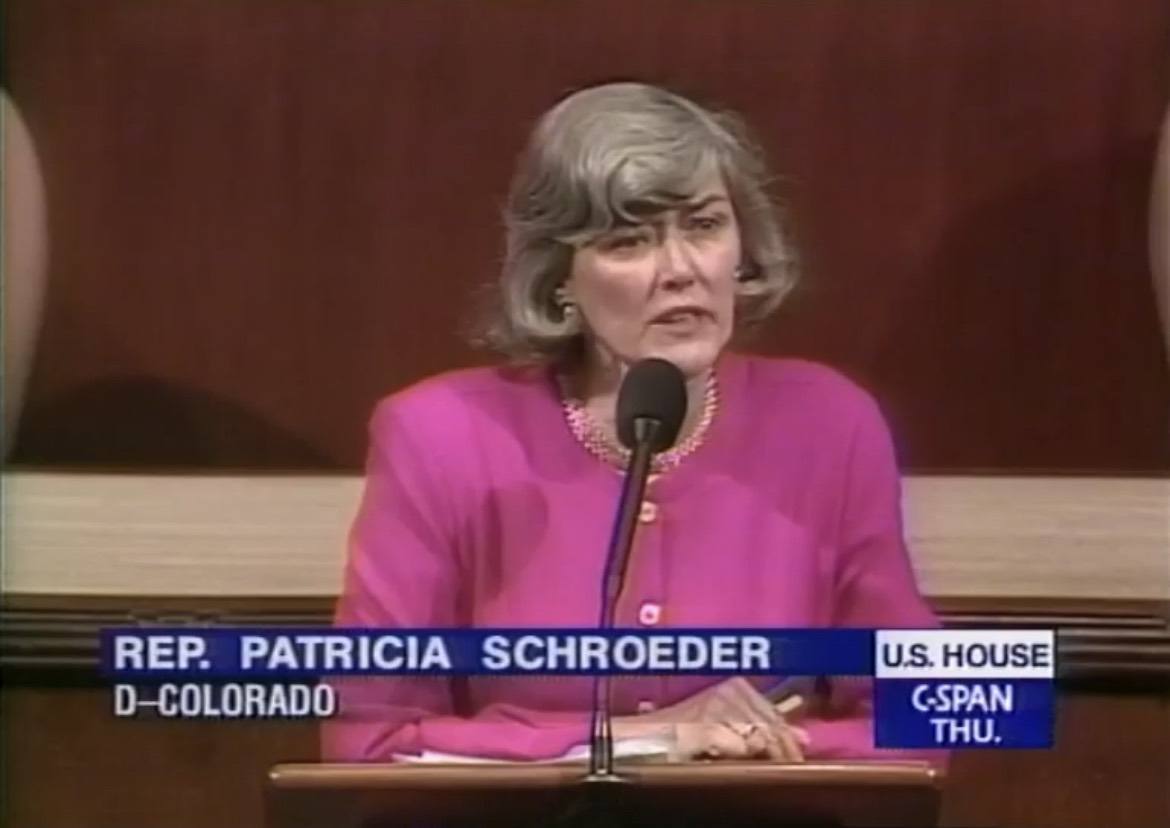
On the other hand, the right appears to be doubling down on the status quo. Many conservatives argue that any attempt at reform is an infringement on free speech. They claim that limiting campaign contributions would only serve to silence the voices of those who wish to support their candidates. In their view, the current system is a testament to the democratic process; money is merely a reflection of support. Yet, this perspective fails to acknowledge the underlying inequities that can arise from such a system.
Polarized Perspectives
The debate over campaign finance has become emblematic of the larger divisions in American society. On one hand, we have the left’s insistence on reforming a system that they view as fundamentally broken. On the other, the right’s staunch defense of an unregulated marketplace of political ideas and contributions. This polarization is not just a matter of differing opinions; it reflects a deeper ideological divide that pervades every aspect of our political discourse.
“The question is not just about money in politics, but about who gets to be heard.”
As the election season progresses, the rhetoric surrounding campaign finance is likely to become even more heated. The left will continue to argue for transparency and accountability, while the right will maintain that their approach promotes freedom and liberty. This clash of values underscores the difficulty of finding common ground on such a contentious issue.
Contributions and Consequences
Recent headlines have highlighted several high-profile cases of political contributions that raise ethical questions. The public’s reaction to these revelations has been swift, and the demand for reform has grown louder. Yet, it is essential to recognize that campaign finance reform is not merely about regulating money; it is about restoring faith in the democratic process. Voters must feel confident that their voices matter, and that their elected officials are not beholden to special interests.
While some champions of reform propose public financing of campaigns as a solution, others worry about potential unintended consequences. Would such measures truly break the cycle of dependence on big money, or merely create new avenues for political favoritism? This uncertainty has led to a complex array of proposals, each with its own set of challenges and critiques.
Fear and Certainty in Campaigning
As candidates prepare for the primaries, the fear of losing financial backing looms large. This anxiety can lead to decisions that prioritize fundraising over genuine engagement with voters. In a system where large donations can outweigh the voices of many, candidates may feel compelled to cater to their biggest supporters, rather than focusing on the needs of their constituents.
The irony is that while both sides are quick to criticize the other's excesses, they often fail to recognize their own complicity in the very system they decry. This cycle of blame perpetuates a culture of mistrust, where voters are left wondering who truly represents their interests.
A Path Forward?
As we head toward the 2000 election, the question of campaign finance is unlikely to fade from the headlines. The potential for reform exists, but it requires a willingness from both sides to engage in honest dialogue. Leaders must be willing to confront their own biases and be open to solutions that prioritize the integrity of the political process.
The future of campaign finance reform hinges on the ability to find common ground amid the chaos of political campaigns. If both sides can move beyond their entrenched positions, there may yet be hope for a system that serves all Americans, not just the wealthy few.
✦ ✦ ✦
For local service context, see Joneswater.