From the file. Written for the paper dated September 1999. Opened in the public stacks July 14, 2026.
As Congress grapples with yet another budget standoff, the stark polarization between left and right is on full display. The question looms large: why is certainty selling so briskly amid the chaos?
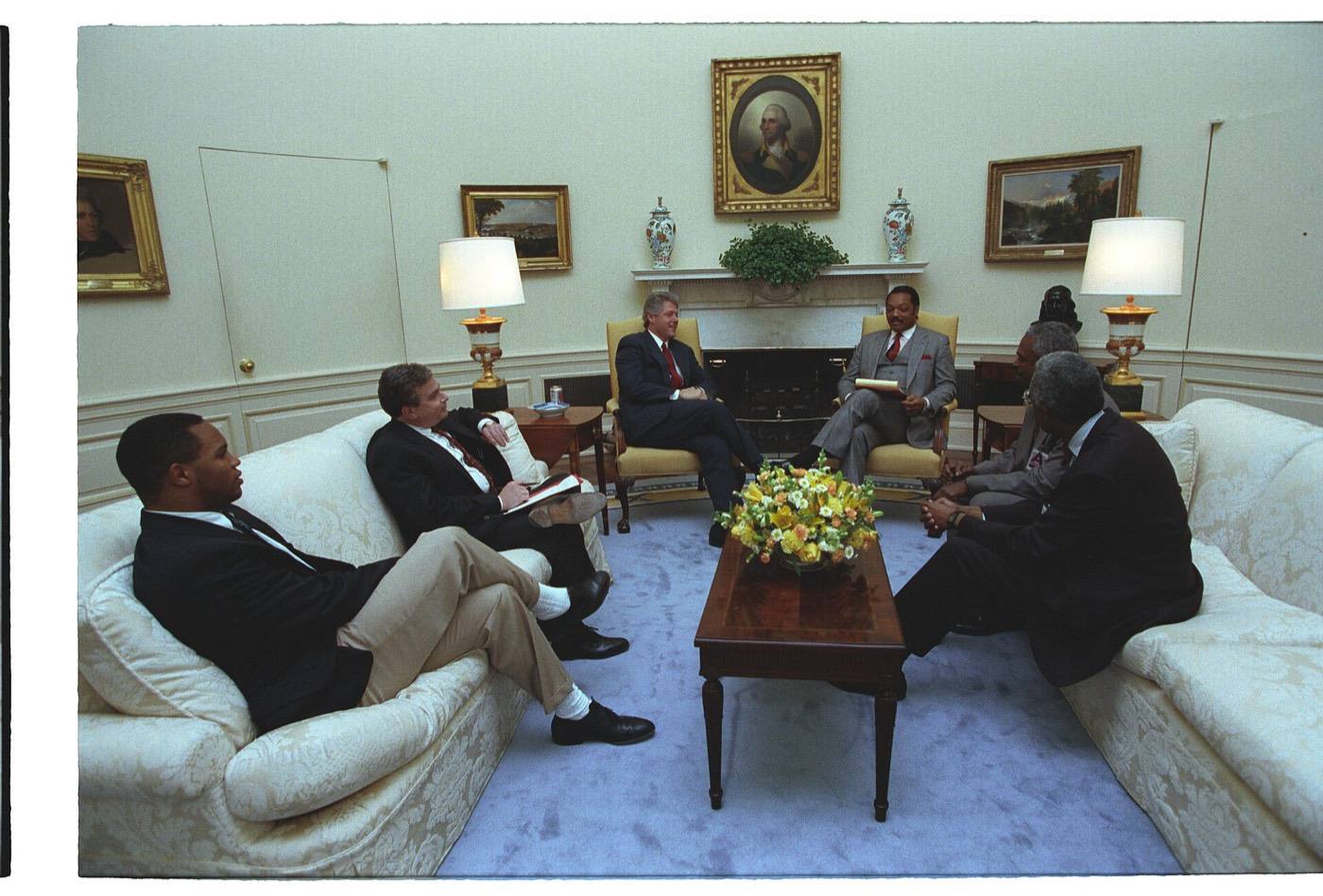
The Battle Lines
In the wake of a contentious summer, the nation’s capital finds itself entrenched in a budgetary crisis that risks shutting down the government. With both sides of the aisle entrenched in their respective ideologies, the prospect of compromise appears dimmer than ever. The Republican leadership is pushing for significant cuts to social programs, claiming that the American taxpayer deserves fiscal prudence and responsibility. Meanwhile, the Democrats are staunchly defending these programs, contending that slashing funding will only harm the most vulnerable citizens in society.
It’s a standoff that can only lead to chaos, and both sides seem intent on proving their point at any cost.
The rhetoric has reached fever pitch, with each side accusing the other of playing political games at the expense of the American people. The right argues that government spending is out of control, while the left insists that their opponents are heartlessly disregarding the needs of the disadvantaged. This relentless back-and-forth has led to a profound feeling of uncertainty among citizens, who are left wondering how these budget negotiations will ultimately affect their lives.

Certainty in Uncertain Times
Amid this tumultuous environment, one thing has become abundantly clear: the demand for certainty is surging. Citizens across the political spectrum are clamoring for stability and predictability, a stark contrast to the chaos emanating from Washington. This desire for certainty is not merely a passing sentiment; it reflects a deep-rooted anxiety about the future. As families grapple with financial pressures and job security, the notion of a stable government budget becomes not just a political issue, but a personal one.
As the budget impasse drags on, the American public is increasingly tuning out the hyperbolic claims and counterclaims coming from both sides. They want solutions, not grandstanding. Yet, politicians seem more focused on scoring points against one another than finding common ground. The left’s insistence on maintaining entitlement programs at all costs and the right’s unwavering commitment to cutting government spending are both examples of excess that ultimately serve to alienate the very constituents they claim to represent.
The political theater in Washington has become a spectacle, with little regard for the real-world implications of a budget standoff.
As the budget battle rages on, many Americans are left feeling disillusioned. The constant bickering and partisan posturing have led to a pervasive sense of distrust in government institutions. Citizens are tired of hearing about the “great divide” and want tangible action that reflects their needs. There is a growing sentiment that the left and right are more interested in winning political battles than in serving the people.
Striking a Balance
Both the left and right must recognize that their extreme positions are not sustainable. There is a pressing need for a bipartisan approach to budgeting that prioritizes the welfare of the nation over party allegiance. While it is easy to vilify the opposition, constructive dialogue is essential for progress. The truth is that neither side has a monopoly on wisdom, and solutions often lie in compromise.
Political leaders must acknowledge the reality that the American public is looking for a way out of this gridlock. It is not merely about balancing the budget; it is about fostering an environment where citizens can thrive. A balanced budget should not come at the expense of essential services that support our most vulnerable populations. Likewise, fiscal responsibility should not be sacrificed for the sake of political expediency.
A Call for Unity
In this moment of crisis, it is imperative that leaders on both sides of the aisle come together to craft a budget that reflects the values of all Americans. The need for certainty in uncertain times is palpable, and it is the responsibility of our elected officials to rise above partisan politics. By finding common ground, they can restore faith in the political process and provide the stability that American families so desperately seek.
As we continue to witness the fallout from the budget standoff, let us hope that both sides can set aside their ideological differences for the greater good. The nation’s future depends on it.
✦ ✦ ✦
For local service context, see Ownersfirm.