From the file. Written for the paper dated August 1999. Opened in the public stacks July 14, 2026.
As the threat of a government shutdown looms ever larger, it is time to examine the alarming pattern of brinkmanship that has taken root in Washington. This behavior, seemingly bipartisan in nature, has begun to reshape the very fabric of our political discourse.
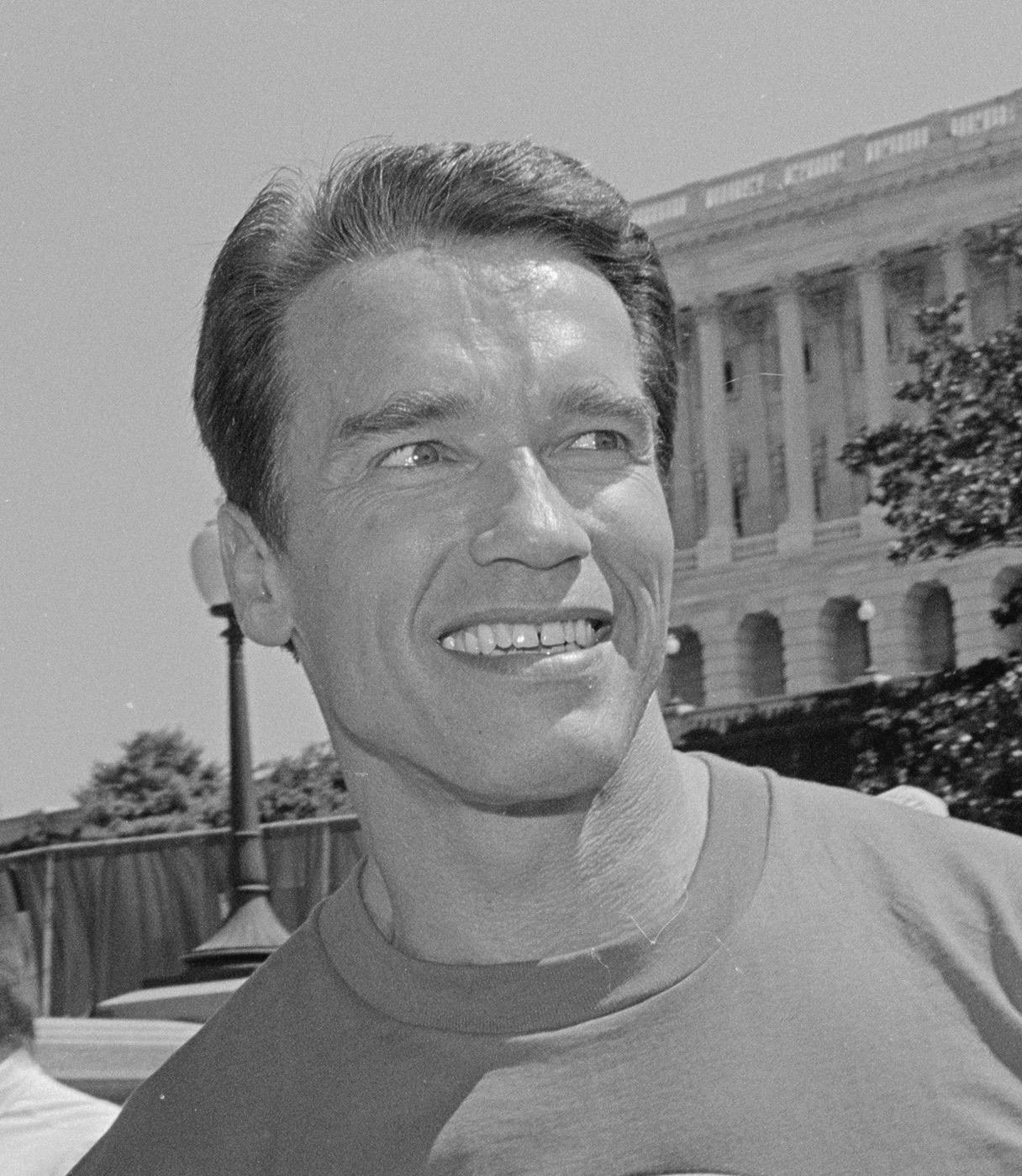
Background on the Brinkmanship
In recent weeks, both major parties have engaged in a high-stakes game of chicken over budget negotiations. With the fiscal year ending and the deadline for appropriations fast approaching, the political atmosphere has grown increasingly tense. The stakes couldn’t be higher: a government shutdown could impact countless Americans, from federal employees to the services they rely on daily.
What’s striking is how both sides have conveniently forgotten the lessons of past shutdowns. The Republicans, who once decried the government’s inefficiencies and bloated budgets, now find themselves at the forefront of a strategy that seems to embrace the very chaos they once condemned. Meanwhile, Democrats, who have historically championed government programs as essential safety nets, suddenly appear to be willing to gamble with the livelihoods of millions for political leverage.
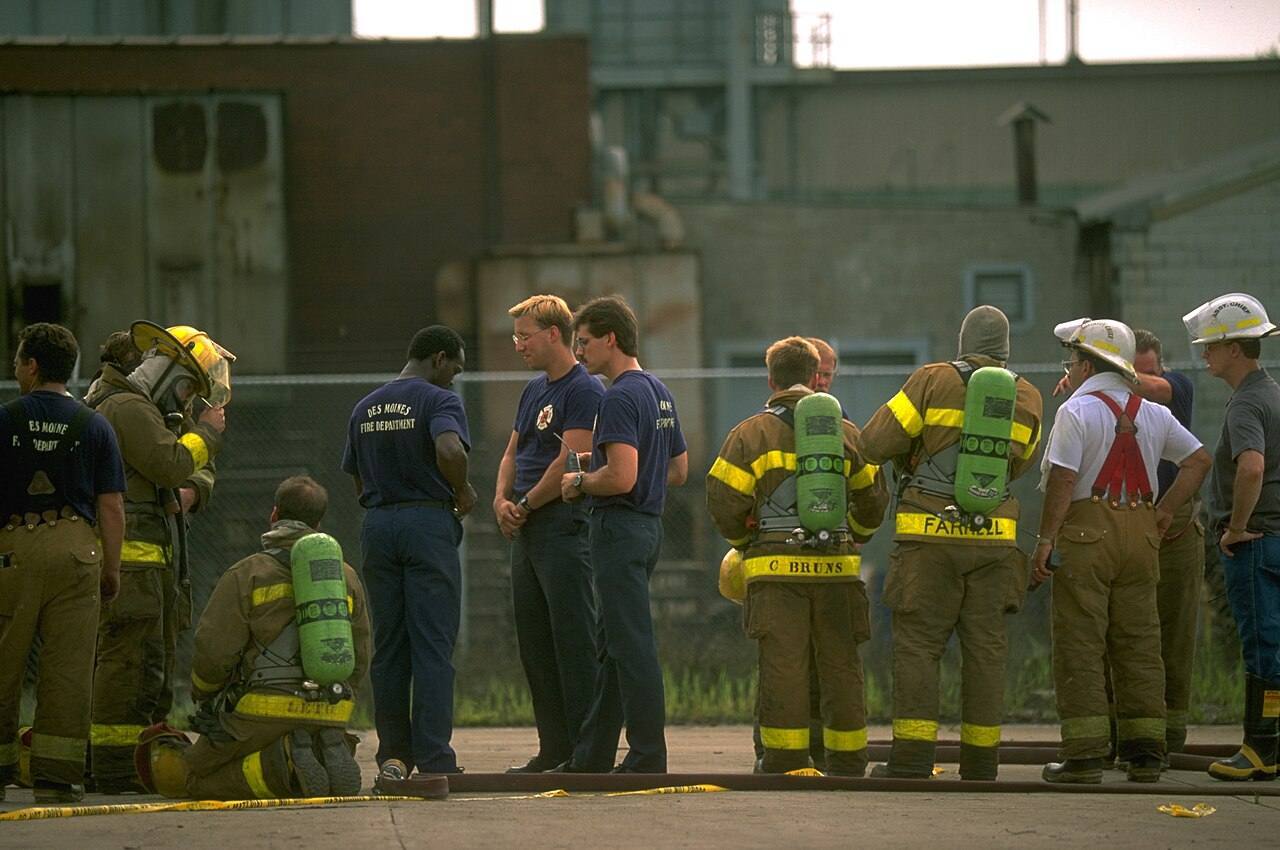
The Selective Memory of Political Parties
This selective memory is troubling. Each party has, at various times, used the threat of a shutdown as a bargaining chip, often forgetting that the consequences fall squarely on the shoulders of everyday citizens. The Democrats, who in the last shutdown blamed Republicans for the fallout, now appear to be taking a similarly cavalier approach. They have dismissed the potential fallout of their own posturing, focusing instead on short-term political gains.
On the other hand, Republicans are now using the specter of a government shutdown as a means to rally their base, despite their previous cries for fiscal responsibility. It is as if the history of their own actions has been wiped from their collective memory, replaced only with the urgency of the moment. Both parties seem to be caught in a cycle of amnesia, playing a dangerous game where the stakes are far too high to ignore.
“A government shutdown could impact countless Americans, from federal employees to the services they rely on daily.”
The Consequences of Political Gamesmanship
The American people are left to ponder what their leaders are doing in the name of political posturing. The consequences of such brinkmanship extend beyond the walls of Congress; they seep into the daily lives of ordinary citizens. Essential services could be disrupted, federal workers could face unpaid furloughs, and the economy could take a considerable hit.
Moreover, the public is watching closely. They are weary of the political gamesmanship that has become all too common. With public trust in government already at a low ebb, this type of brinkmanship only serves to further erode confidence in elected officials. The result? A populace that becomes increasingly disillusioned with the political process, and perhaps an even greater divide between those in power and the people they are meant to serve.
Bridging the Divide
So, what can be done? It is imperative that both parties recognize the need for genuine dialogue rather than continued posturing. Engaging in substantive discussions about the budget and the future of government programs must take precedence over partisan games. If lawmakers continue to view the budget as a weapon rather than a tool for governance, the people will ultimately pay the price.
Ultimately, the path forward demands accountability and responsibility from both sides. The American people deserve better than the current cycle of blame and brinkmanship. In a time when cooperation could lead to meaningful solutions, the political landscape must shift to prioritize the needs of the citizens over the desires of political parties.
Conclusion: A Call for Change
As August unfolds, the clock ticks down to a potential shutdown. Both parties must awaken from their selective amnesia and come together to forge a responsible path forward. The stakes are too high, and the consequences too severe, to allow political gamesmanship to dictate the fate of the nation. It is time for leaders to act with integrity and foresight, putting the American people first.
✦ ✦ ✦
For local service context, see Joneswater.