From the file. Written for the paper dated August 1999. Opened in the public stacks July 14, 2026.
As Congress finds itself in yet another budget standoff, the irony of bipartisan selective memory looms large over the political landscape. Both sides appear to have forgotten the lessons of fiscal responsibility, opting instead for partisan finger-pointing.

The Current Stalemate
The ongoing budget impasse is a reflection of deeper ideological divisions. Democrats and Republicans are each laying the blame at the feet of the other, while the American public is left watching in dismay. The government is at a standstill, and critical programs are hanging in the balance as both parties dig in their heels.
What is troubling is that this standoff is not merely a symptom of the current political climate; it is an entrenched pattern of behavior that both parties have exhibited over the years. Each side seems to conveniently forget its own past transgressions while criticizing the other's failures. This selective memory is not just a political tactic; it is a disservice to the very constituents they serve.
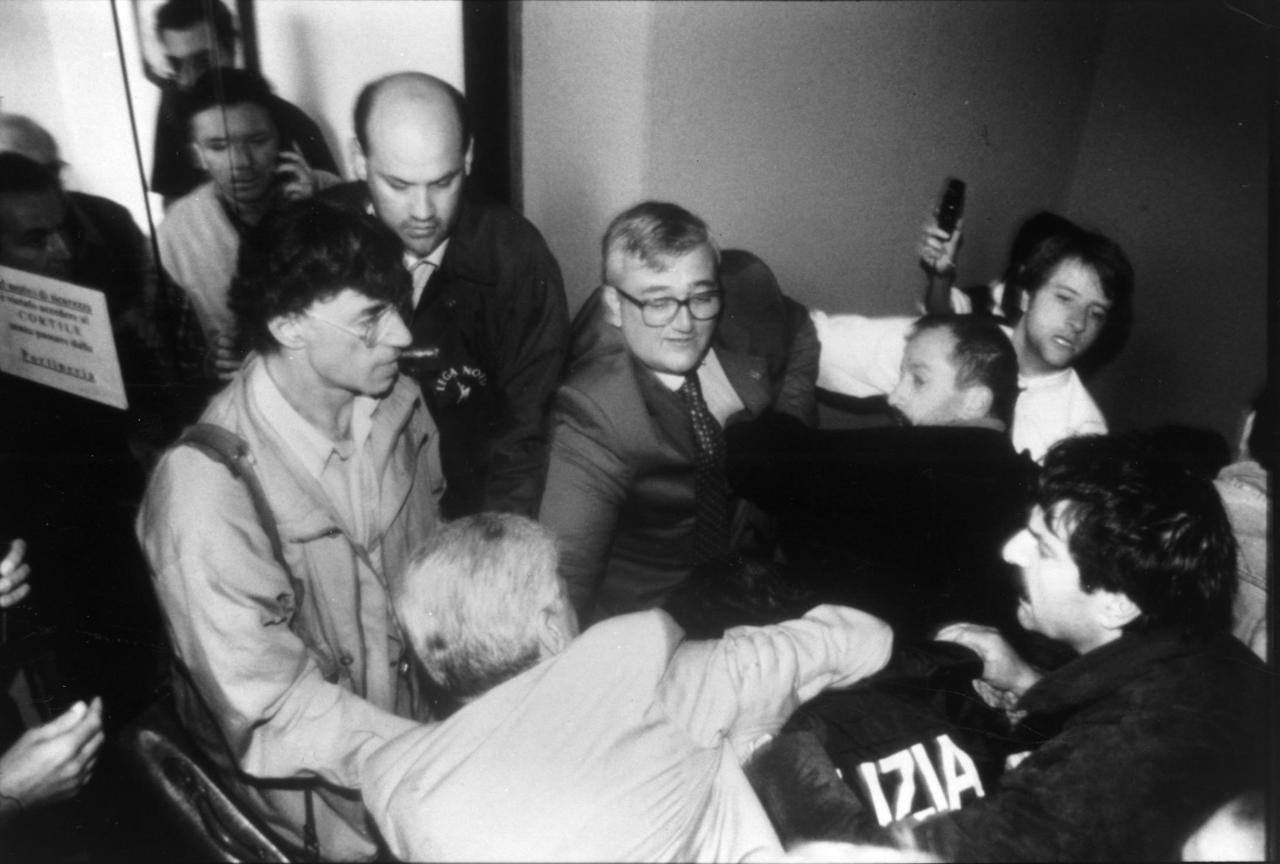
"Both parties forget their own roles in creating the mess we find ourselves in today."
The Left's Fiscal Irresponsibility
On the left, there has been a tendency to advocate for expansive government programs while simultaneously decrying the deficit. While social safety nets are undeniably important, the unwillingness to consider budget constraints reveals a disconnect between aspiration and reality. The recent push for increased spending on education, healthcare, and welfare is commendable, but it risks ignoring the fiscal limits imposed by the national debt.
Furthermore, the left's reliance on taxation as a primary tool for funding these initiatives often overlooks the impact on the middle class and small businesses. The notion that the wealthy can simply shoulder the burden of increased taxes without broader implications is an oversimplification that fails to take into account economic realities.
The Right's Obsession with Tax Cuts
Conversely, the right's obsession with tax cuts demonstrates a similar disregard for the long-term consequences of fiscal policy. While the argument for lower taxes is appealing, especially in a time of economic growth, it neglects the need for adequate funding for essential services. The mantra of "cutting taxes" often translates into slashing vital programs that support the most vulnerable among us.
Moreover, the right's narrative around government spending often ignores their own complicity in escalating budgets. Military expenditures, for instance, have ballooned under Republican administrations, yet those very same legislators advocate for reducing social spending without acknowledging the trade-offs involved. This hypocrisy contributes to a growing distrust among voters who see their leaders as unable to practice what they preach.
The Need for Accountability
The current budget standoff serves as a reminder that accountability is sorely lacking in our political discourse. Each party must reckon with its history and acknowledge that the road to a balanced budget involves compromise and a willingness to accept responsibility for past decisions.
As the clock ticks down toward a potential government shutdown, we must ask ourselves: what will it take for our leaders to rise above partisanship and prioritize the needs of the American people? The answer lies in a collective commitment to fiscal responsibility, grounded in honesty and transparency.
Conclusion: A Call for Unity
In closing, the budget standoff reflects a troubling trend of selective memory that both sides of the aisle must confront. It is imperative that lawmakers prioritize the well-being of their constituents over political gain. Only through a unified approach to fiscal policy, rooted in a shared understanding of past mistakes, can we hope to achieve a sustainable future.
✦ ✦ ✦
For local service context, see Ownersfirm.