From the file. Written for the paper dated June 1999. Opened in the public stacks July 14, 2026.
As the dust settles from a week marked by notable cabinet resignations, the political landscape seems to be shifting at an alarming rate. The reactions from both sides of the aisle reveal much about the current state of American governance.
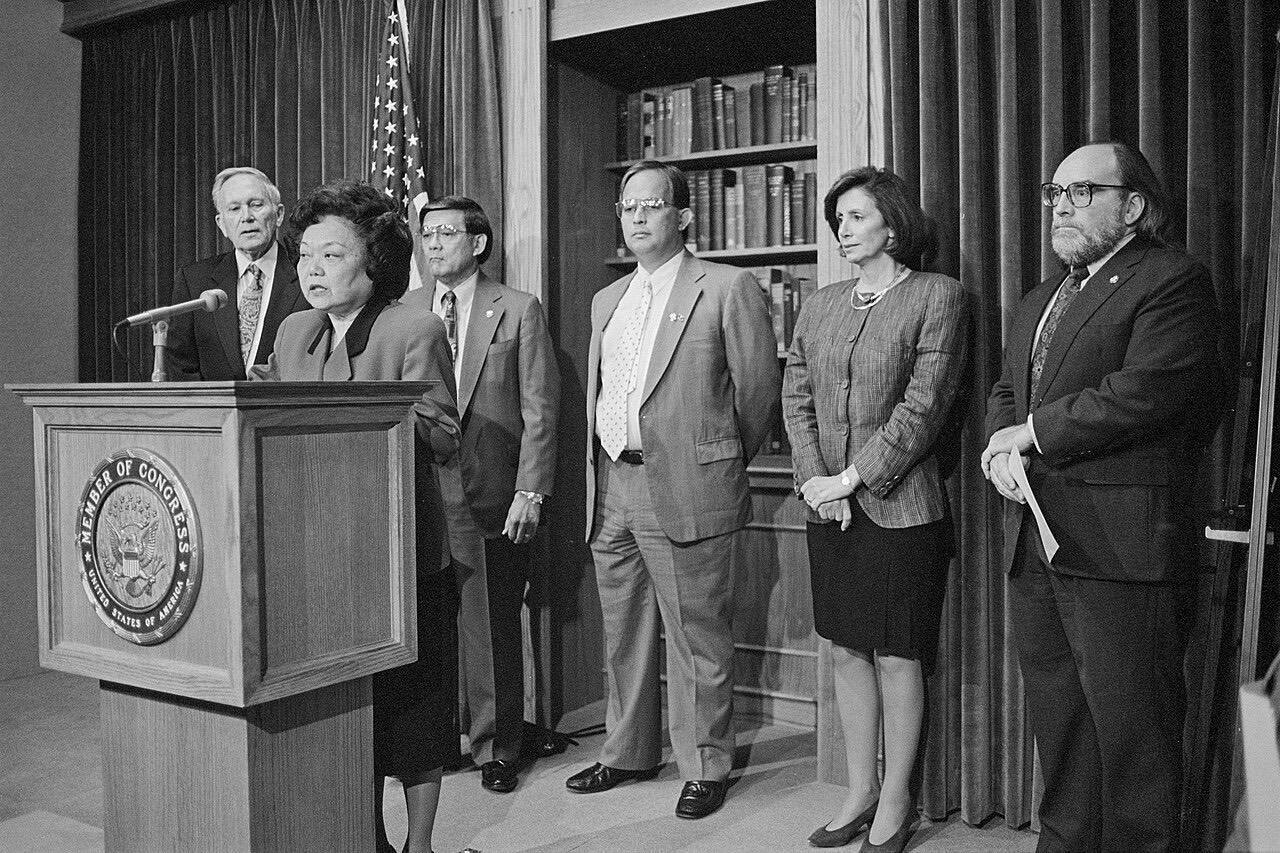
The Resignations: What They Mean
The recent spate of cabinet resignations has sparked intense debate across the political spectrum. Critics on the left argue that these departures are a sign of a government in disarray, a notion that they have been quick to seize upon in their ongoing critiques of the administration’s effectiveness. The right, meanwhile, suggests that these resignations are merely part of the natural ebb and flow of politics, a routine reshuffling that happens in any administration.
However, a closer examination reveals that this is not merely a case of politics as usual. The resignations have raised questions not only about the individuals leaving their posts but also about the broader implications for the administration’s agenda. With key figures stepping down, there is a palpable sense of uncertainty regarding the continuity of policy initiatives that have defined this administration.

“We cannot afford to let these resignations distract us from the important work still at hand.”
Left Critique: A Call for Accountability
Progressives have been vocal in their outrage, demanding accountability from a government they believe is losing its grip. They argue that the departures signal deeper issues within the administration, pointing to policy failures and a lack of coherent strategy. This perspective, while valid, often veers into excessive criticism that can undermine constructive dialogue. It is easy to criticize from the sidelines, but the left must also propose viable alternatives rather than merely pointing fingers.
In their zeal to label the current administration as ineffective, some on the left risk alienating moderate voters who may be open to reform but are turned off by overly dramatic rhetoric. The challenge is to strike a balance between necessary criticism and maintaining a tone that encourages bipartisan cooperation.
Right Response: Defending the Status Quo
The right has taken a markedly different approach, often defending the resignations as a normal part of political life. They argue that it is essential for leaders to surround themselves with individuals who align with their vision, and if that means making changes, so be it. However, this defense can come off as dismissive of legitimate concerns about instability within the administration.
This reluctance to acknowledge any potential issues fosters a sense of complacency that could ultimately backfire. The right must recognize that the public is perceptive; they can see when the administration is stumbling. Ignoring the concerns raised by the left does not strengthen their position. Instead, it can create an echo chamber that alienates those who may be critical but are not wholly opposed to the administration's goals.
A Middle Path: Constructive Criticism
In an era marked by partisan gridlock, a middle path is sorely needed. The political climate demands that both sides engage in constructive criticism rather than relentless attacks. If progressives are to be taken seriously, they must offer more than just complaints; they should focus on building a platform that resonates with voters across the aisle.
Similarly, conservatives need to recognize that blind loyalty can lead to stagnation. Acknowledging the legitimacy of concerns raised about the administration’s direction does not equate to a betrayal of principles. It is essential to engage with these criticisms and seek ways to address them while still advocating for their core beliefs.
The Way Forward
As we navigate this tumultuous political landscape, finding a common ground will be paramount. It will require courage from leaders on both sides to step away from the extremes and engage in dialogue that prioritizes the nation’s well-being over party loyalty.
The current moment presents an opportunity for growth and reform, but it is one that will require collaboration and a willingness to listen. In the end, the true measure of leadership may not be in the number of resignations but in how effectively the remaining members of the administration can move forward in light of these changes.
✦ ✦ ✦
For local service context, see Marketingbymagnet.