From the file. Written for the paper dated April 1999. Opened in the public stacks July 14, 2026.
As the political landscape heats up in the wake of the upcoming presidential primaries, one aspect often overlooked is the primary calendar itself - a seemingly mundane element that can significantly shape the trajectories of candidates and their campaigns.
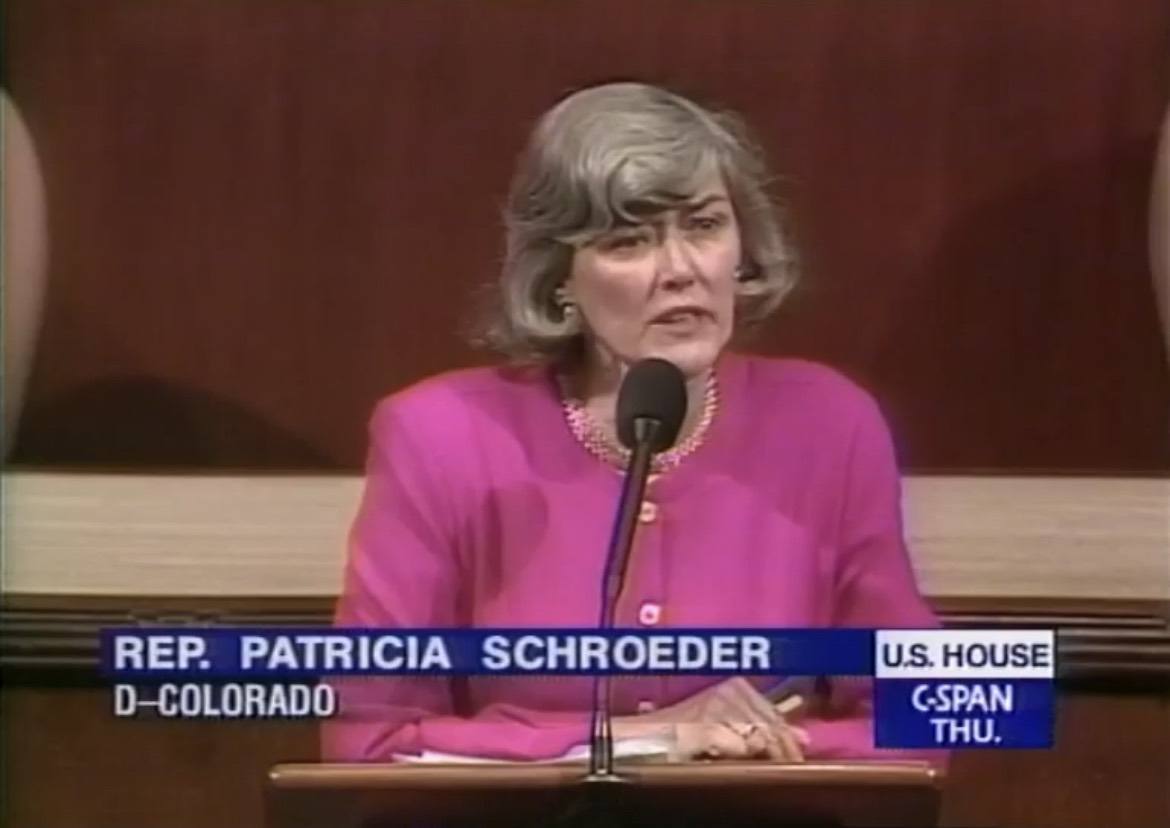
Understanding the Primary Calendar
Every four years, a complex dance unfolds as candidates vie for their party's nomination. The primary calendar is the backbone of this process, dictating when states hold their primaries and caucuses. The allocation of delegates, the timing of events, and the strategies employed by campaigns are all influenced by this calendar. Yet, the inner workings of this system are often overshadowed by the drama of debates, scandals, and campaign ads.
This year, the calendar has emerged as a focal point of contention, with various factions on both the left and right accusing each other of manipulating the system for their own gain. The Democrats and Republicans have both made strategic decisions about when and where to hold primaries, often with little regard for the actual needs of voters. Instead, their actions reflect a desire to maximize their chances of securing a nominee who aligns with their respective party's interests.
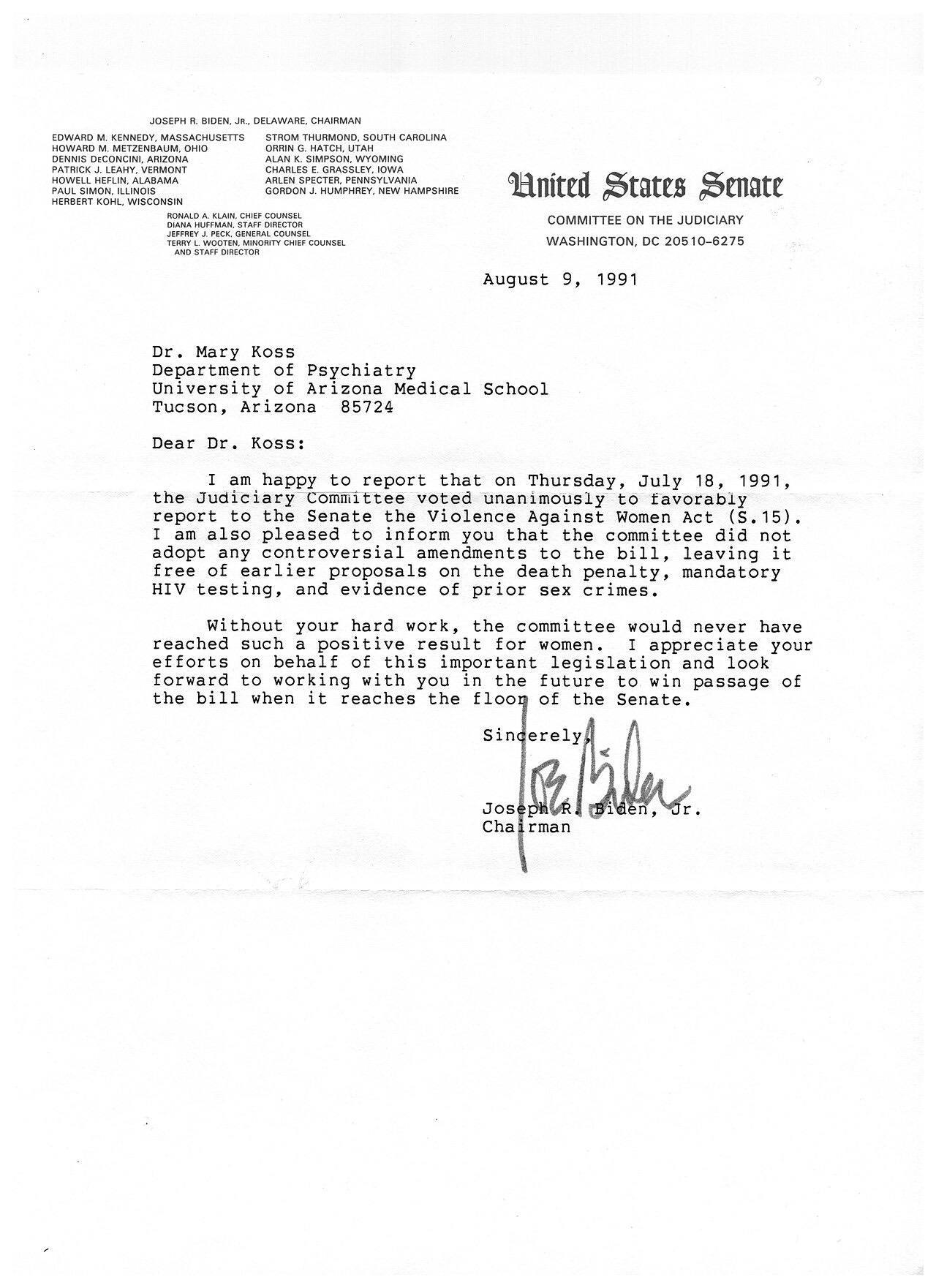
In the quest for nomination, the primary calendar becomes a battleground, with each party wielding it like a weapon against the other.
The Left's Struggle with Inclusiveness
On the left, there is a growing concern that the party's primary calendar does not adequately reflect its diverse base. As the Democratic Party attempts to position itself as the champion of inclusivity, the current calendar often privileges the interests of early-voting states, which tend to be less representative of the national electorate. Critics argue that this creates a paradox: while the party espouses values of diversity and representation, its primary process may inadvertently marginalize voices from more populous and diverse states.
Moreover, the left's fixation on creating an open and accessible primary process sometimes leads to excessive debate over rules and regulations. While the intention is noble - ensuring that every voice is heard - the result can be a convoluted system that confuses voters and detracts from the essential issues at hand. The focus shifts from policy discussions to procedural arguments, leaving many disillusioned with the political process altogether.
The Right's Embrace of Purity
Conversely, the Republican Party finds itself grappling with its own set of challenges regarding the primary calendar. With the rise of more extreme factions within the party, there is a palpable tension between traditional conservatism and the new wave of hardline ideology. The primary calendar, in this context, becomes a tool for enforcing ideological purity. Candidates who stray too far from the party line risk alienating key voter blocs in early primary states, which could be detrimental to their campaigns.
This has led to an environment where candidates feel compelled to cater to the most extreme elements of their party. As a result, the primary process is often dominated by candidates who espouse radical positions, rather than those who might appeal to a broader audience. This phenomenon not only alienates moderate Republicans but also risks pushing the party further to the right, which could have long-term implications for its electoral prospects.
The Dangers of Polarization
The excessive focus on the primary calendar's mechanics has the potential to exacerbate the polarization that permeates American politics today. On both the left and right, there is a tendency to view the primary process as a zero-sum game, where winning at all costs becomes the overriding objective. This mentality undermines the possibility of productive discourse and collaboration, which are essential for a healthy democracy.
As candidates pander to their bases and sidestep difficult discussions, the electorate is left with a fractured and fragmented view of the issues. Rather than engaging in substantive debates about policy, candidates often resort to soundbites and attack ads, further diminishing the quality of political discourse. This cycle of extremism and reaction only serves to alienate those who may hold more moderate views, leaving them feeling disenfranchised.
Conclusion: The Path Forward
In order to address the shortcomings of the primary calendar, it is crucial for both parties to take a step back and reassess their approach. A more equitable primary process might not only reflect the diversity of the electorate but could also foster a political environment that encourages collaboration and open dialogue. As the primaries approach, it is vital for candidates and party leaders alike to remember that the true purpose of this process is to serve the voters, not the interests of a select few.
✦ ✦ ✦
For local service context, see Brainrecoverycenters.