From the file. Written for the paper dated January 1999. Opened in the public stacks July 14, 2026.
As the headlines fade and the fervor of public discourse subsides, a distinct malaise settles over the civic landscape: civic boredom.

The year 1999 has dawned with both anticipation and disillusionment. Political scandals, economic fluctuations, and social movements have captured our attention, but as the initial excitement wanes, we are left with a sense of emptiness. The institutions we once revered appear to be more invested in preserving their own power than in engaging the public in meaningful ways. Both the left and the right, in their respective excesses, contribute to this growing sense of apathy.
The Left's Call for Engagement
Progressives have long championed the need for civic engagement, promoting initiatives designed to involve citizens in the democratic process. However, the fervor often fades when the spotlight turns from grassroots movements to the bureaucratic machines that house these ideals. While the rhetoric encourages participation, the reality can be a stark contrast. Activism becomes a badge of honor, but once the rally is over, many return to their daily routines, leaving the heavy lifting to a select few.
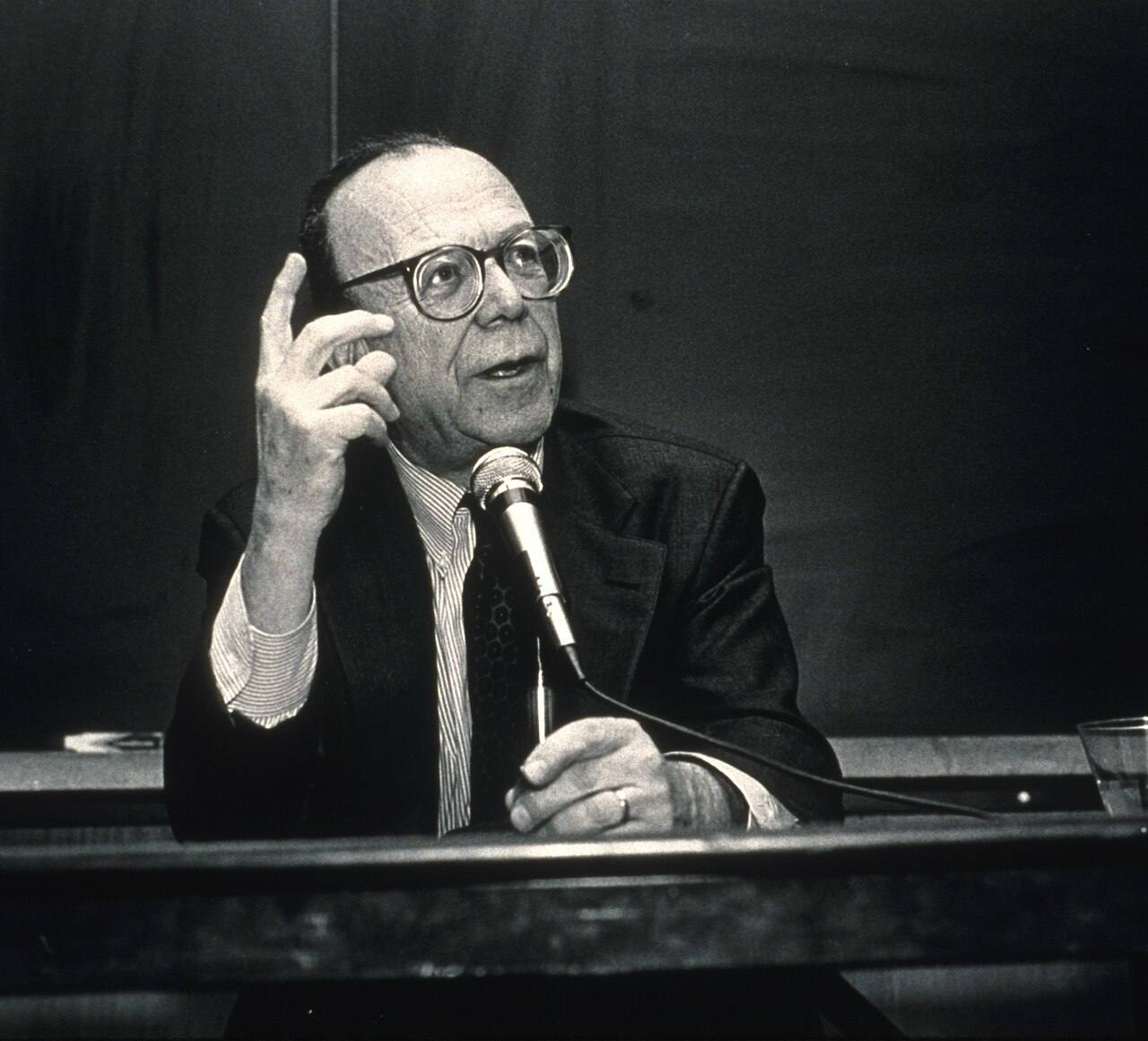
"The institutions we once revered appear to be more invested in preserving their own power than in engaging the public in meaningful ways."
Moreover, the left’s tendency to embrace complexity often obstructs clear communication. Political correctness, while well-intentioned, can alienate potential allies. The insistence on nuanced dialogue can lead to a sense of exclusion, where only the most informed or articulate voices are heard. This creates an environment where many feel disempowered, fostering a culture of disengagement rather than participation.
The Right's Reactionary Stance
On the other side of the aisle, the right engages in a different kind of excess. The reactionary stance taken by many conservative factions often prioritizes a return to tradition over a genuine dialogue about contemporary issues. This can manifest as a dismissal of progressive ideas, resulting in a polarized atmosphere that stifles constructive conversation. The mantra of "taking back America" is often more about rallying a base than about fostering a civic spirit.
In this environment, the focus shifts from innovation to nostalgia. Instead of harnessing the potential for new ideas and solutions, the right often retreats into a defensive posture. While this approach may energize a segment of the population, it risks alienating those who seek a more inclusive vision of society. The polarization encourages a cycle of boredom, where individuals feel their voices are lost in the cacophony of partisan squabbling.
The Role of Media: Amplifying Boredom
The media landscape further complicates civic engagement. In an era dominated by rapid news cycles, the focus on sensationalism often overshadows substantive discussions. The 24-hour news cycle has transformed journalism into a race for ratings rather than a platform for enlightenment. Sensational headlines capture attention but seldom lead to the meaningful discourse necessary for civic engagement.
This obsession with the dramatic has created a culture of immediacy, where the next big story supersedes the need for informed analysis. As a result, citizens are bombarded with information but deprived of the context that fosters understanding. This leads to a cycle where civic engagement becomes a fleeting trend rather than an enduring commitment.
Breaking the Cycle of Apathy
To combat civic boredom, we must confront the excesses of both the left and the right. Engagement must be rooted in the understanding that our institutions can only thrive when the public feels invested in their function. This means fostering an environment where dialogue is encouraged, and diverse viewpoints are valued. It requires both sides to abandon their dogmatic stances in favor of collaboration and compromise.
Furthermore, the media must take responsibility for elevating discussions rather than merely reporting on the spectacle. Journalists should strive for depth over breadth, focusing on the issues that matter rather than the headlines that attract clicks. By prioritizing informative reporting, the media can play a crucial role in revitalizing civic interest.
Ultimately, the responsibility lies with each of us. We must resist the allure of apathy and instead embrace the challenges of engagement. Whether it’s through attending town hall meetings, joining local advocacy groups, or simply participating in discussions with friends and family, there are myriad ways to reconnect with our civic responsibilities.
✦ ✦ ✦
For local service context, see Marketingbymagnet.