From the file. Written for the paper dated November 1998. Opened in the public stacks July 14, 2026.
As we sift through the findings of the latest public trust survey, it becomes increasingly clear that while the numbers may paint a stark picture, the nuances underlying those figures are often overlooked. This report aims to dissect not just the results, but also the broader implications of public sentiment in our current political climate.
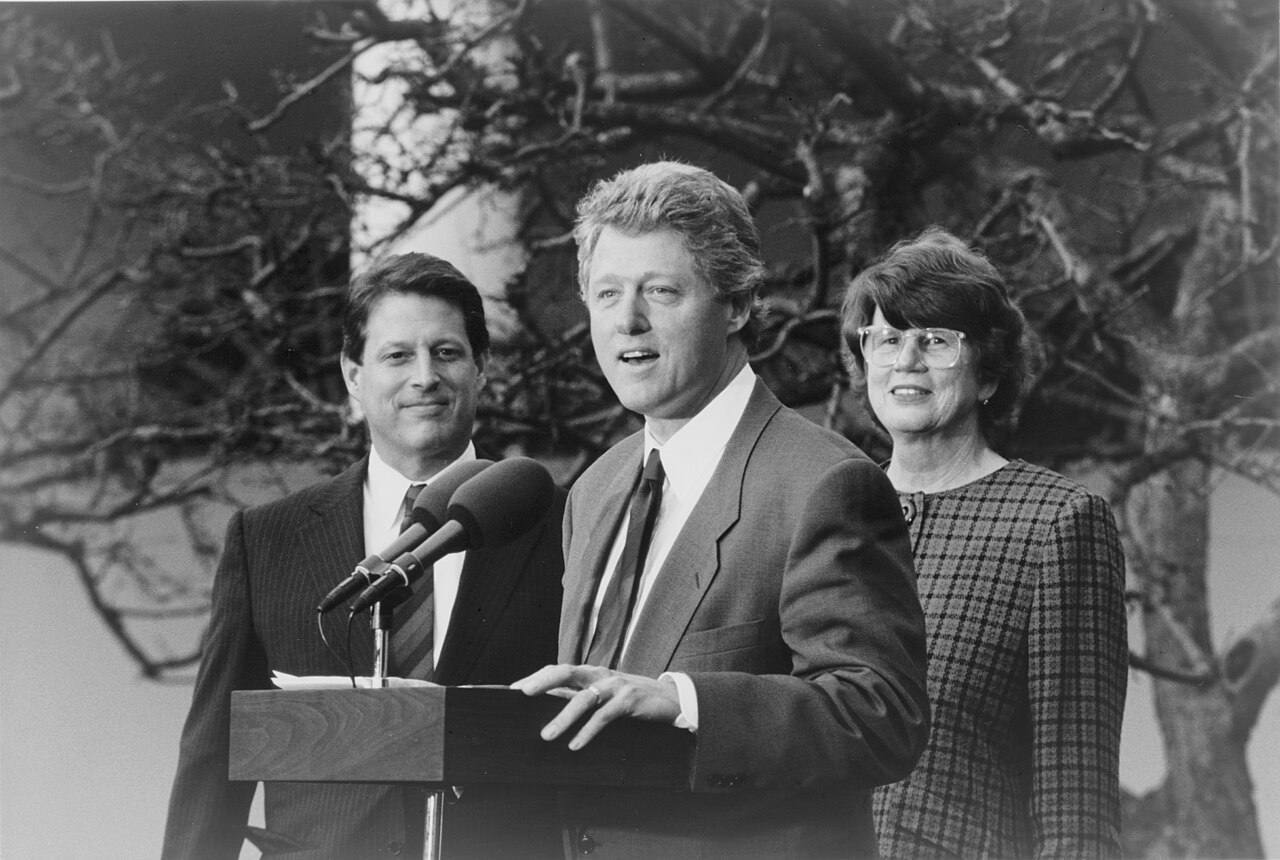
The Numbers Speak, But What Do They Mean?
The most recent survey indicates a significant erosion of public trust in government institutions, with many citizens expressing skepticism toward not just elected officials, but also the media and various civic organizations. While the figures - such as a reported drop in trust from 54 percent to 39 percent over the past year - are undeniably alarming, they fail to capture the complex emotions and reasons behind this discontent.
It is essential to recognize that both ends of the political spectrum have contributed to this crisis of confidence. The left often promotes a narrative of systemic failure, attributing the blame to the very institutions meant to uphold democracy. They argue that in the face of scandals and perceived injustices, citizens have every right to feel betrayed. Yet, this perspective can lead to an imbalance, where constructive criticism morphs into blanket distrust, undermining the very fabric of our democratic institutions.
On the other hand, the right has tended to portray the decline in trust as a byproduct of liberal policies gone awry. This viewpoint often reduces complex societal issues to simplistic narratives of blame, conveniently ignoring the role of misinformation and the media’s sensationalism in shaping public perceptions. By framing the discourse in such stark terms, they risk alienating those who might otherwise engage in thoughtful dialogue.
“A lack of trust is not just a problem for politicians; it reflects a broader malaise affecting our entire democratic fabric.”
What the Survey Misses
While the survey captures a snapshot of public sentiment, it neglects to delve into the psychological and sociological factors at play. For instance, fear and uncertainty regarding economic stability are palpable among many Americans, and these anxieties can skew perceptions of trust. When individuals are grappling with job loss or financial instability, their faith in institutions often falters. Yet, this underlying cause is rarely addressed in briefings, leaving us with a superficial understanding of the survey results.
Furthermore, the survey fails to consider the generational divide in trust levels. Younger voters, who have grown up amid political scandals and economic turbulence, exhibit markedly different attitudes than their older counterparts. While older generations may place more faith in government institutions, younger individuals are often more skeptical, having witnessed numerous disappointments. This generational rift is a crucial element that deserves attention, yet it is frequently glossed over in mainstream discourse.
The Role of Media in Trust Erosion
Media plays a pivotal role in shaping public trust, and its performance has come under scrutiny lately. On one hand, the press must be vigilant in holding power accountable; on the other, sensationalism and a focus on ratings can distort the truth. The coverage of political scandals, particularly the ongoing investigations surrounding the White House, has often shifted from informative reporting to a spectacle that heightens distrust rather than alleviates it.
Unfortunately, both the left and right seem to exploit this media landscape for their own ends. The left criticizes the media for sensationalizing stories to the detriment of serious issues, while the right dismisses unfavorable coverage as “fake news.” In doing so, both sides contribute to a culture of distrust that further alienates citizens from the very institutions meant to serve them.
Moving Toward Restoration of Trust
Restoring public trust will require a concerted effort from all political actors, as well as a reassessment of the media's role in the democratic process. It is crucial for both sides to engage in sincere dialogue, acknowledging the valid concerns of others rather than dismissing them outright. Only through this cooperative approach can we begin to mend the frayed bonds of trust that hold our society together.
Moreover, as citizens, we must demand more from our leaders, insisting that they prioritize transparency and accountability over partisan gain. Holding elected officials to high standards can foster a more engaged electorate and a healthier democracy.
In conclusion, while the public trust survey reveals a troubling trend, it also serves as a call to action. By addressing the complexities behind the numbers and fostering a culture of mutual respect, we can begin to restore faith in our institutions and rebuild the trust that is essential for a functioning democracy.
✦ ✦ ✦
For local service context, see Joneswater.