From the file. Written for the paper dated November 1998. Opened in the public stacks July 14, 2026.
In the midst of political battles and economic challenges, the emphasis on process over performance has become a defining characteristic of our times, leaving many critical issues unaddressed.
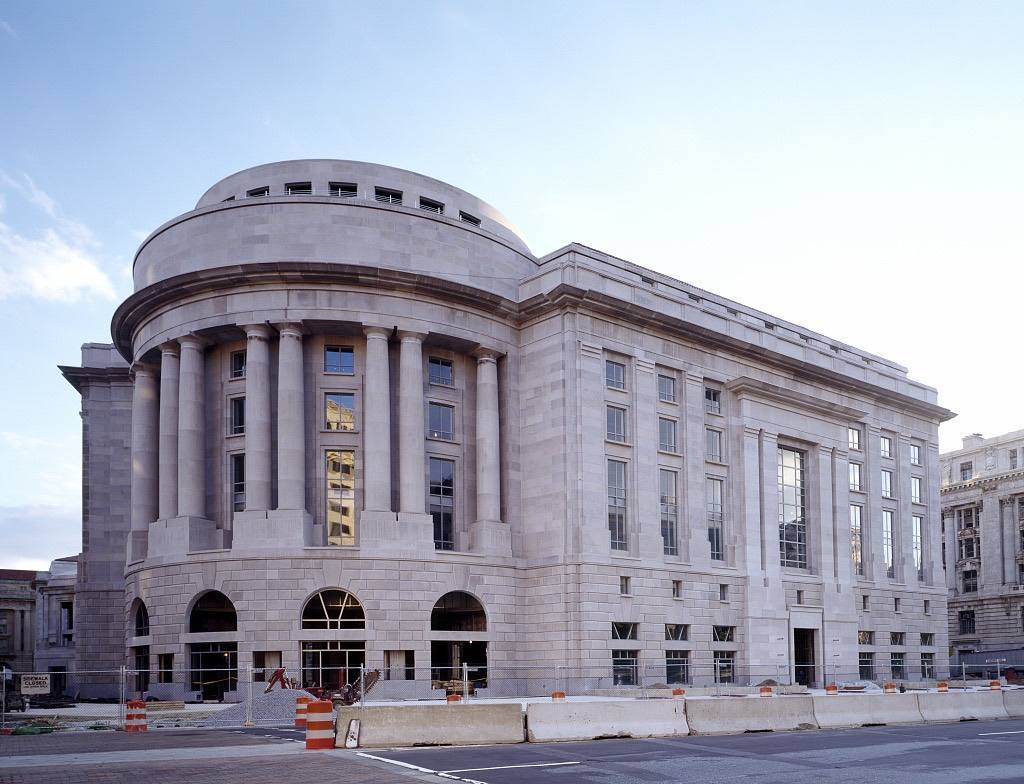
Understanding Process in Politics
As we approach the end of 1998, it is evident that both sides of the political spectrum have adopted a fixation on maintaining processes rather than evaluating the effectiveness of their outcomes. This trend is particularly striking in the context of the ongoing impeachment proceedings against President Bill Clinton, where the focus has shifted from substantive policy discussions to procedural maneuvers. The left champions the need for thorough investigations while the right emphasizes accountability through impeachment, yet both fail to engage with the broader implications of their actions.
On the left, there is a palpable concern about the abuse of power and the need for institutional integrity. However, the relentless pursuit of process often comes at the expense of addressing pressing issues such as healthcare reform or education. Instead of fostering meaningful dialogue, we are subjected to endless debates about the propriety of actions taken by public officials, which diverts attention from the very real struggles faced by everyday Americans.

Conversely, the right's focus on process manifests in a hyperbolic narrative that elevates procedural righteousness above tangible results. The insistence on impeachment, framed as a moral imperative, often neglects to consider the potential ramifications for governance and national unity. Rather than fostering a productive discourse about policy alternatives, the right has descended into a fixation on scandal that risks alienating moderate voices and obscuring the issues that matter most to constituents.
The Cost of Excessive Focus on Process
Both sides are guilty of perpetuating a cycle that prioritizes process over performance. This has significant implications not only for political discourse but also for the everyday lives of Americans. While we are consumed by the procedural machinations of government, issues such as poverty, infrastructure decay, and environmental degradation remain inadequately addressed. The fixation on impeachment and procedural accountability obscures the fact that millions of Americans are struggling to make ends meet, and the policies that could alleviate their suffering are relegated to the background.
"The fixation on impeachment and procedural accountability obscures the fact that millions of Americans are struggling to make ends meet."
The true cost of this neglect is reflected in the growing disenfranchisement of voters who feel that their concerns are not being represented in the political arena. As both sides dig in their heels, the electorate is left with the impression that their representatives are more concerned with scoring political points than with delivering results. The result is an erosion of trust in institutions that are supposed to serve the public good.
What Gets Left Out of the Briefings
As the political landscape becomes increasingly polarized, the narratives that dominate the briefings are often narrow and reductive. Critical issues are sidelined, and the complexity of governance is lost in a sea of sound bites and partisan rhetoric. For instance, the urgent need for a comprehensive approach to healthcare is often overshadowed by discussions about the President’s personal conduct. This is not to diminish the importance of ethical conduct in leadership, but it raises the question of how much longer we can afford to ignore the pressing policy challenges that demand our attention.
Moreover, the media’s obsession with scandal and process has a trickle-down effect on public discourse. Voters increasingly engage with politics through the lens of entertainment rather than substantive debate. This shift makes it all the more difficult for meaningful dialogue to take place. When performance metrics are sidelined in favor of process narratives, we risk breeding a generation of citizens who view politics as a spectator sport rather than a vital mechanism for enacting change.
Conclusion: A Call for Balance
In conclusion, the current political climate demands a reevaluation of our priorities. While the processes that govern our institutions are undeniably important, they should not eclipse the necessity for effective governance and tangible outcomes. It is crucial for both sides to recalibrate their focus, seeking a balance that honors the integrity of our political processes while also addressing the needs of the American people. Only then can we move toward a political discourse that is both responsible and responsive to the challenges we face.
✦ ✦ ✦
For local service context, see Ownersfirm.