From the file. Written for the paper dated August 1998. Opened in the public stacks July 14, 2026.
In an era marked by escalating partisanship, the selective memory of both the left and the right has become a hallmark of political discourse. This week, we delve into the ramifications of a bipartisan habit that undermines the very foundations of honest rhetoric.

The Art of Selective Memory
As we navigate the turbulent waters of political discussion in August 1998, one truth stands glaringly evident: both sides of the aisle have mastered the art of selective memory. This phenomenon is not merely a quirk of the current political landscape; it is a self-preserving tactic that allows parties to reshape narratives to fit their agendas.
Take, for instance, the ongoing debates surrounding welfare reform. Advocates on the right often invoke a narrative of dependency, conveniently overlooking the historical context of welfare programs that were designed to assist those in need during times of economic hardship. Meanwhile, the left frequently ignores the significant reforms that have already been implemented, painting a picture of a system in complete disarray. Both sides cherry-pick facts to bolster their claims, leaving the public with a skewed understanding of a complex issue.
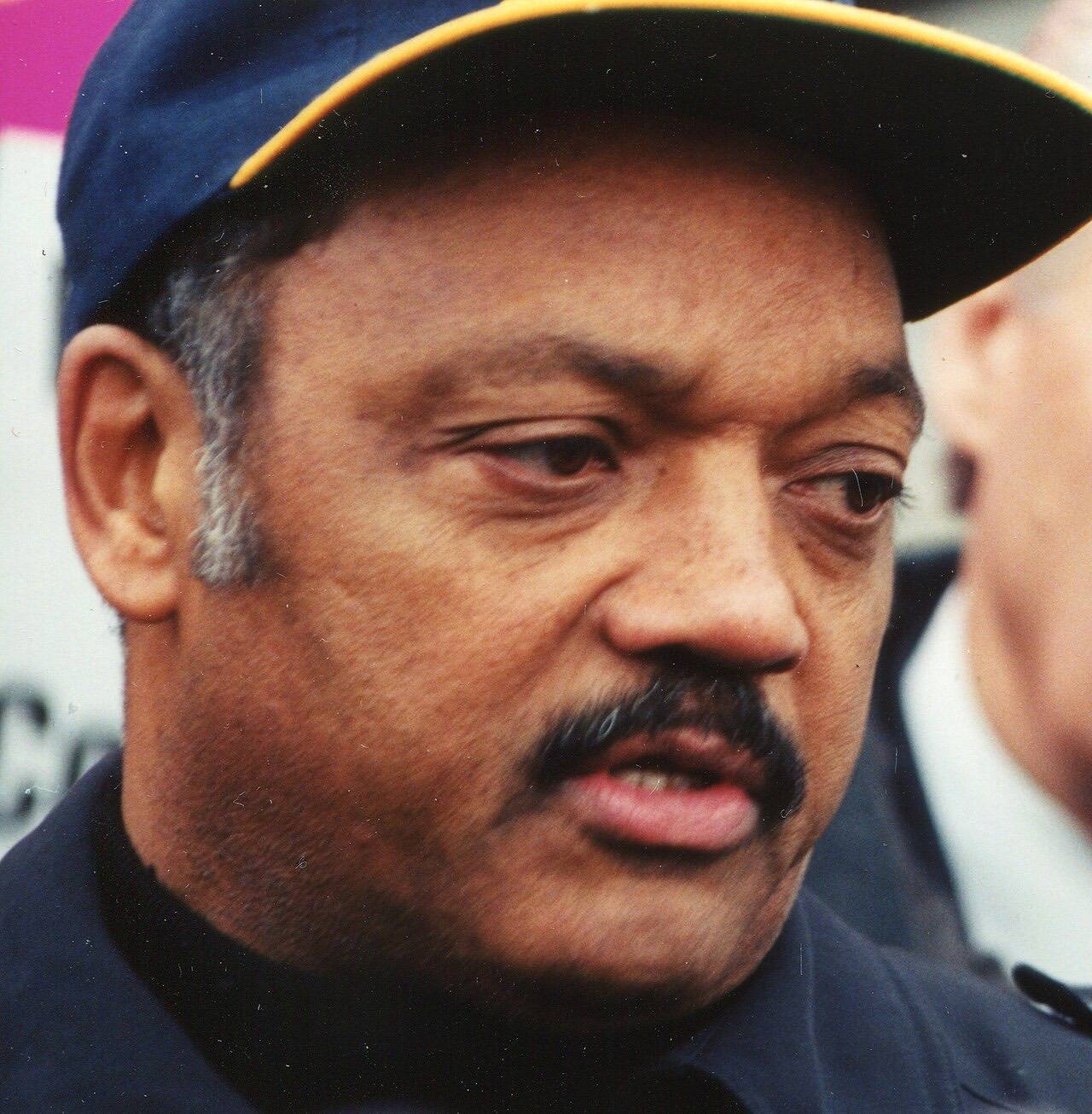
"Both sides of the aisle have mastered the art of selective memory."
Rhetorical Excess on the Left
The left's rhetoric, in its fervor to highlight social injustices, often veers into hyperbole. The language employed in discussions around race relations, gender equity, and economic disparity can sometimes alienate moderates who may feel that the rhetoric is more about scoring political points than fostering genuine dialogue. For instance, while it is essential to address systemic inequalities, labeling every critique of policy as an act of oppression can stifle constructive conversation and lead to a backlash that reinforces the very divisions we seek to bridge.
Moreover, the left tends to romanticize past movements for social justice, glossing over the complexities and compromises that were necessary to achieve progress. This selective glorification can create an unrealistic expectation of current movements, leading to disappointment and disillusionment when real-world outcomes fail to meet an idealized vision.
Rhetorical Excess on the Right
Conversely, the right has its own proclivities toward exaggeration. The rhetoric surrounding taxation and government regulation often invokes apocalyptic scenarios that threaten individual freedoms. While it is crucial to advocate for fiscal responsibility and limited government, the language of tyranny used to describe regulatory measures can distort public perception and sow unnecessary fear. This approach risks alienating those who may be open to reasoned debate about the role of government in society.
Additionally, the right frequently employs a narrative of cultural decay, framing any challenge to traditional values as a threat to the very fabric of American society. Such rhetoric not only dismisses legitimate discussions about progress but also overlooks the contributions of diverse perspectives that enrich our national identity. It is essential to recognize that cultural evolution is a natural part of societal growth, rather than a decline to be feared.
The Need for Honest Discourse
As we reflect on these rhetorical excesses, it becomes increasingly clear that honest discourse is essential for a healthy democracy. The selective memory that pervades our political conversations not only distorts the truth but also diminishes our capacity for empathy and understanding. Instead of engaging in a battle of narratives, we must strive for a common ground where facts and experiences can be shared and debated openly.
One potential path forward is to foster environments where bipartisan dialogue can occur without the specter of political retribution. Town halls, community forums, and even informal gatherings can serve as platforms for individuals to share their perspectives without the pressure of aligning with a party line. These interactions can help to humanize the opposing side, breaking down the barriers erected by rhetoric that often feels more like a weapon than a tool for communication.
In conclusion, the current political climate demands a recalibration of how we communicate with one another. It is imperative that we recognize the pitfalls of selective memory and rhetorical excesses that hinder our ability to engage in honest conversations. By doing so, we can begin to rebuild trust in our political institutions and foster a more inclusive society, one conversation at a time.
✦ ✦ ✦
For local service context, see Joneswater.