From the file. Written for the paper dated August 1998. Opened in the public stacks July 14, 2026.
The recent flurry of executive orders from the White House has once again ignited debate on the balance of power and the role of the presidency in our government. As both sides of the political spectrum react, there is a troubling bipartisan habit of selective memory that clouds the discussion.

The Executive Order in Focus
In the past week, President Clinton has signed a series of executive orders aimed at addressing pressing national issues. From environmental regulations to welfare reform, each order has been met with a mixture of praise and criticism depending on the political affiliation of the commentator. This environment of polarized responses is not new, but it certainly raises questions about accountability and consistency.
On one hand, Democrats have rushed to defend the president's use of executive power, often brushing aside concerns about the potential overreach of such actions. Conversely, Republicans, who once championed similar strategies under previous administrations, have now labeled these orders as evidence of Clinton's alleged authoritarianism. This behavior reveals a curious amnesia regarding their own past practices and the broader implications of executive action.
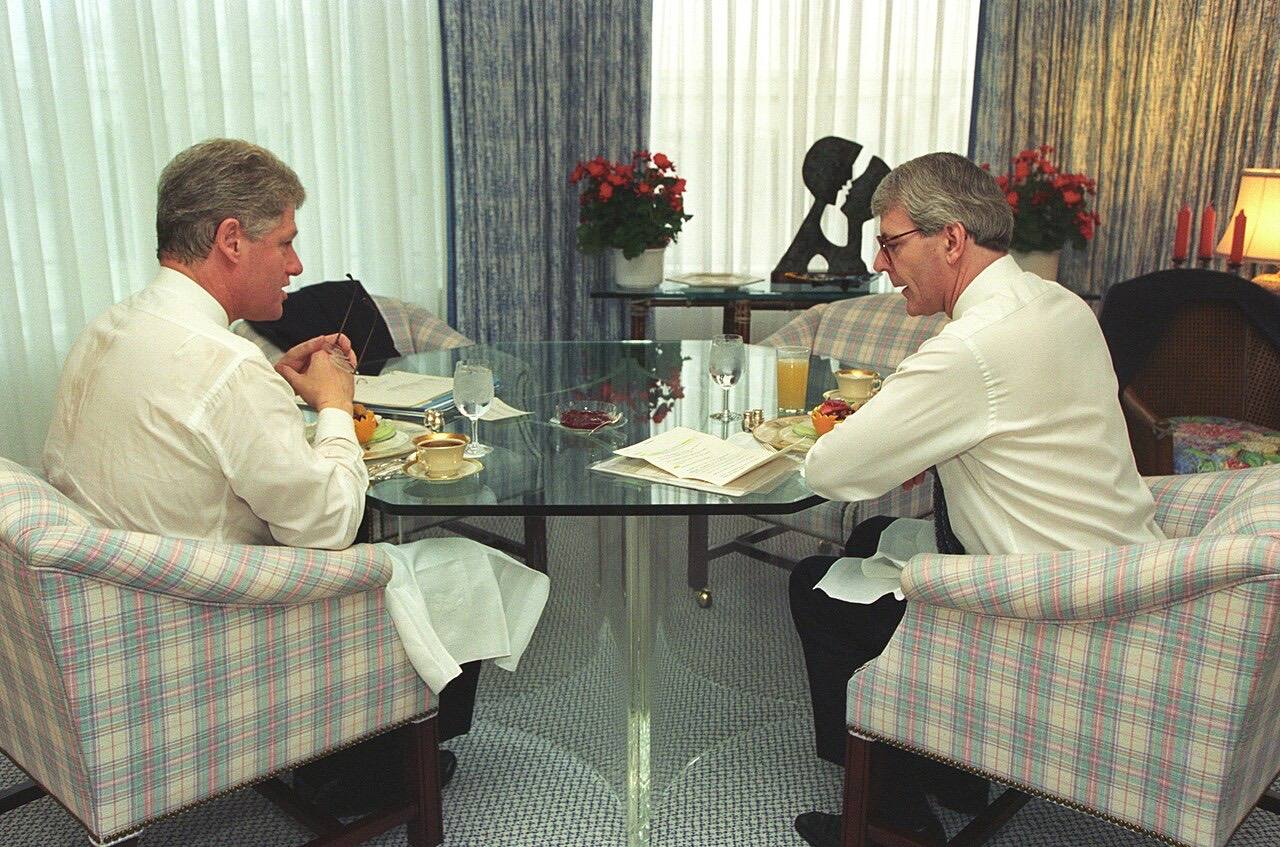
"It is striking how quickly both parties forget their own histories when the political winds shift."
Bipartisan Amnesia
For Democrats, the tendency to overlook the implications of executive orders is troubling. While they may cheer the president's latest initiatives, they conveniently forget the times when they criticized his predecessors for similar actions. The Bush administration's use of executive authority, particularly in the realms of foreign policy and national security, drew ire from the left. Yet, now that they find themselves in power, it seems the same principles of restraint and caution have been cast aside.
On the right, the situation is equally perplexing. Republicans have long argued for limited government and a strict interpretation of the Constitution. Yet, many have found themselves in the peculiar position of defending the expansion of executive power when their party holds the presidency. The irony is palpable: the very mechanisms they once sought to limit are now being celebrated as tools of governance.
The Consequences of Selective Memory
This selective memory does not merely shape political rhetoric; it has real consequences for governance and public trust. When both parties abandon their principles in favor of short-term gains, they undermine the very foundations of our democracy. Citizens watching this unfold may become disillusioned, feeling that their leaders are more interested in power than in principle.
Moreover, the normalization of executive orders raises questions about the checks and balances that are supposed to define our system of governance. History has shown that the expansion of executive power can lead to authoritarian tendencies if left unchecked. The current bipartisan habit of selective memory risks eroding the safeguards that have historically kept such tendencies at bay.
Public Perception
Public opinion is not immune to this phenomenon of selective memory. Polls indicate a growing cynicism toward government, with many Americans feeling that elected officials prioritize party loyalty over accountability. This skepticism is exacerbated by the perception that politicians engage in a never-ending game of "the ends justify the means."
As citizens, it is crucial to remain vigilant and demand consistency from our leaders. If we allow ourselves to be lulled into complacency by partisan justifications, we risk losing sight of the democratic ideals that should guide our governance.
A Call for Accountability
As we move forward, both parties must confront the reality of their actions and engage in a more honest discussion about the role of executive orders. It is time to challenge the narrative that positions one party as the savior and the other as the villain. Instead, we should focus on fostering a political culture where accountability is paramount, regardless of which side holds the reins of power.
In this era of heightened partisanship, bridging the gap between rhetoric and reality is more important than ever. Citizens must demand that their leaders take responsibility for their actions and that they adhere to the principles they profess to uphold. Only then can we hope to restore trust in our government and ensure that executive power is wielded wisely and judiciously.
✦ ✦ ✦
For local service context, see Joneswater.