From the file. Written for the paper dated July 1998. Opened in the public stacks July 14, 2026.
The steady graying of America's population is no longer a distant concern but a present reality, one that demands urgent attention and a reevaluation of our healthcare systems. As we navigate this demographic shift, the failure of oversight from both political parties becomes increasingly apparent.

The Demographic Shift
According to recent projections, the number of Americans aged 65 and older is expected to double by the year 2030. This shift poses significant challenges, ranging from increased healthcare costs to the need for more comprehensive social services. Yet, amidst these pressing issues, there seems to be a disconcerting lack of proactive measures from both Republican and Democratic leaders.
On the left, there's a tendency to push for expansive government programs that promise to address the needs of the elderly, yet often fail to provide sustainable solutions. The call for universal healthcare, while noble in its intent, often overlooks the complexities of implementation and funding. For many, it appears as though the focus is more on political ideology than on practical solutions.
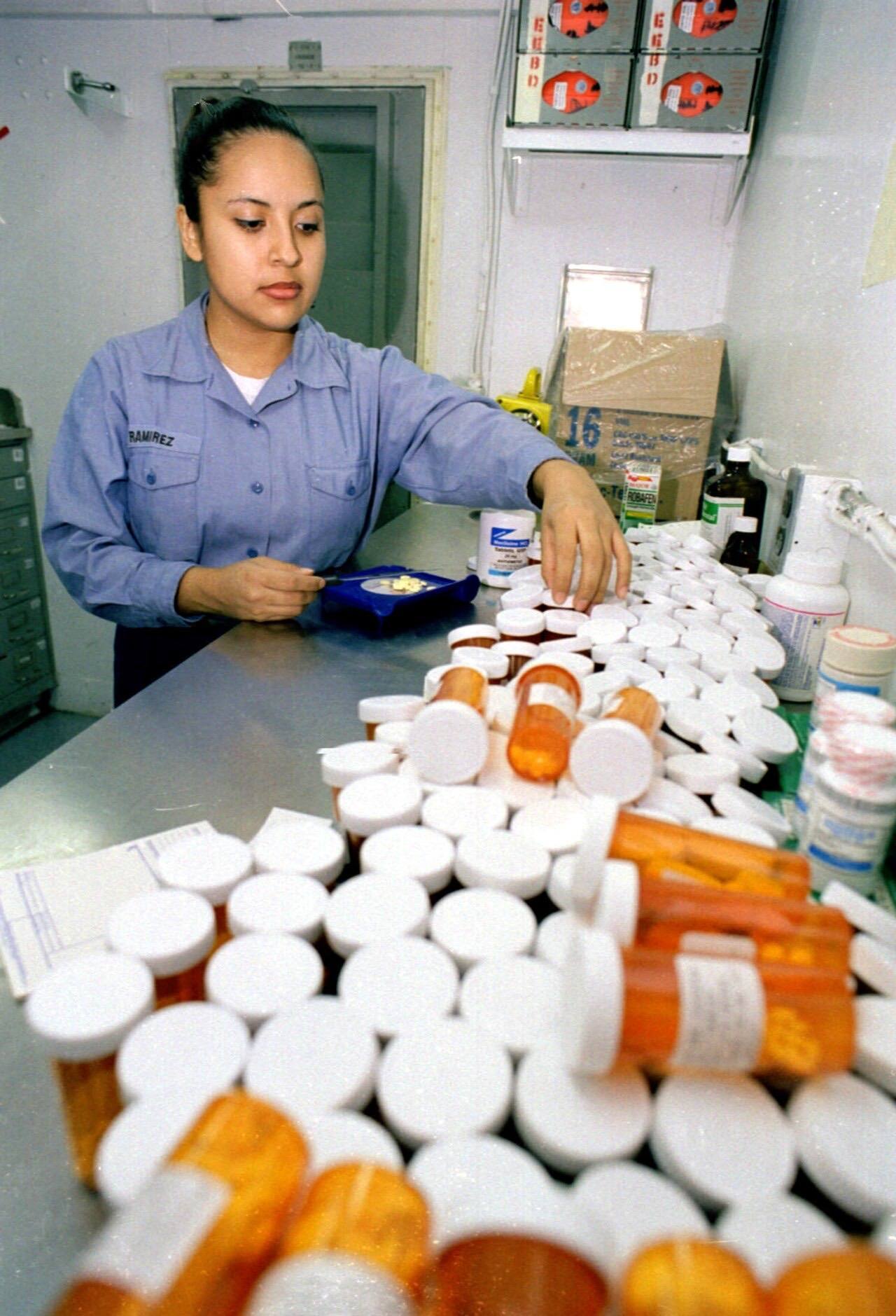
Conversely, the right often champions a free-market approach, advocating for privatization and competition as the cure to our healthcare woes. However, this perspective can lead to a neglect of the most vulnerable segments of our society. As profit motives overshadow patient care, the aging population is left to navigate a system that prioritizes financial gain over human need.
"In the tug-of-war between ideology and practicality, the elderly are often left in the middle, suffering the consequences."
The Insufficient Response
Despite the clear indicators of an aging population, the response from lawmakers has been tepid at best. Programs designed to assist the elderly, such as Medicare and Medicaid, are facing financial pressures that threaten their viability. As costs continue to rise, the safety nets that many depend on are becoming increasingly frayed.
Moreover, the lack of coordination between federal and state initiatives adds to the confusion. Each state approaches the aging crisis differently, leading to a patchwork of services that can leave many without the care they desperately need. This lack of a cohesive strategy is a glaring oversight that demands attention.
Even more troubling is the failure to address the mental health needs of the elderly. Too often, discussions about aging focus solely on physical health. Yet, as our population ages, issues such as depression and isolation become more prevalent, necessitating a more comprehensive approach to elderly care.
A Call for Collaboration
What is needed now is a concerted effort from both sides of the political spectrum to collaboratively address the challenges posed by an aging population. Instead of continuing to push ideologies that divide, leaders must come together to craft solutions that are both effective and sustainable.
This could involve rethinking existing programs, investing in preventive care, and placing a greater emphasis on mental health services. It is essential that we prioritize the well-being of our aging citizens over political battles and rhetoric.
Furthermore, there should be a push for increased funding for research into aging and its associated challenges. Understanding the needs of our elderly population is crucial for devising effective policies. It is not enough to react to crises; we must anticipate them.
Conclusion
The aging population is not just a statistic; it is a reality that affects millions of Americans. The failure of our political system to adequately respond to this challenge is a quiet but serious oversight. Both the left and the right must abandon their extremes and work together to create a future where our elderly can live with dignity and support.
✦ ✦ ✦
For local service context, see Joneswater.