From the file. Written for the paper dated March 1998. Opened in the public stacks July 14, 2026.
In the swirling chaos of political scandal, the line between evidence and identity often blurs, leading to a dangerous game where perception supplants reality.
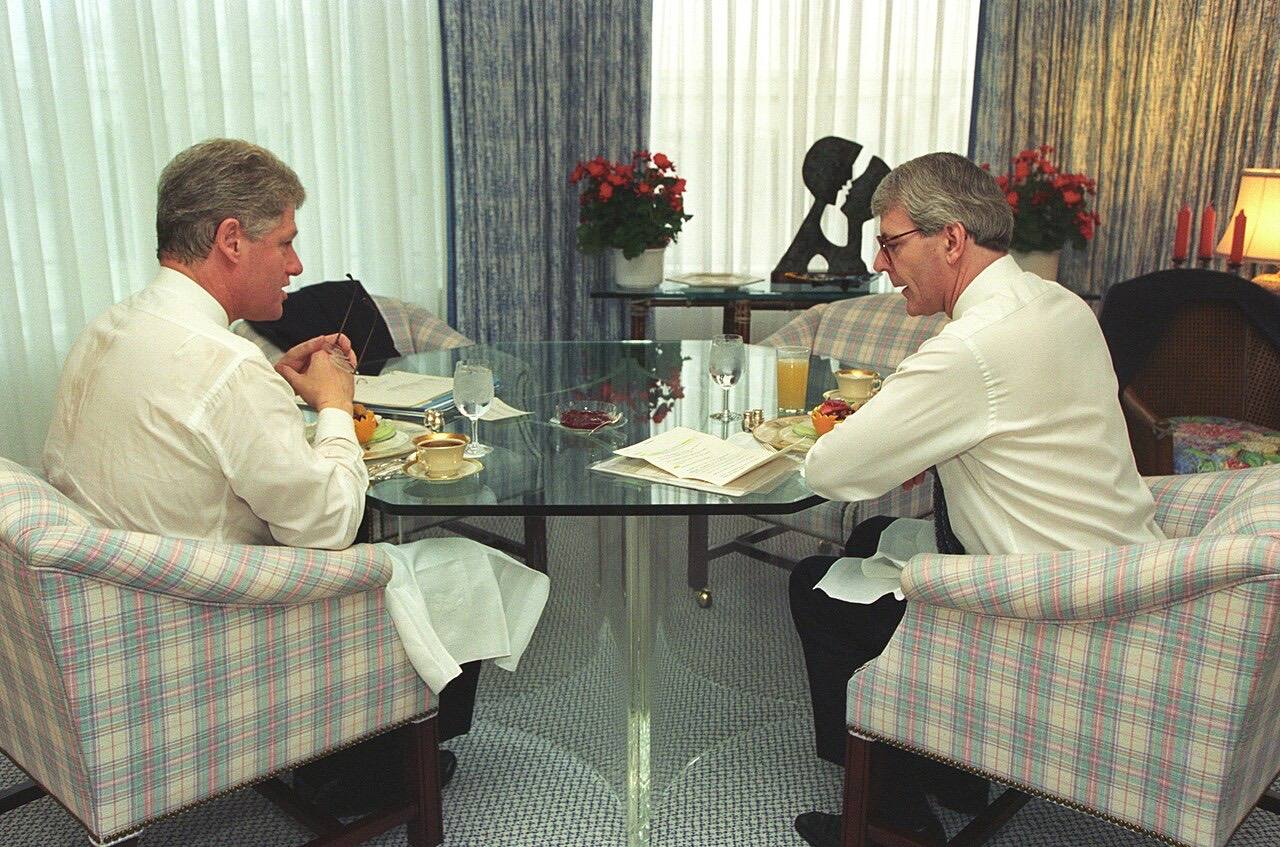
Political Scandals: A Double-Edged Sword
As we navigate the tumultuous landscape of Washington, the current political climate has been engulfed by scandal, raising questions not just about the actions of our leaders but also about the processes that allow such scandals to flourish. The recent controversies surrounding the President have revealed a troubling trend: the tendency to prioritize identity over evidence in shaping public opinion and policy.
On one side of the aisle, the right has seized upon recent allegations to mount a fervent campaign against the administration, often relying on sensationalism rather than substantive proof. Critics of the President have taken to the airwaves, hammering away at his character and motives, painting him as untrustworthy, all while the actual evidence remains murky at best. This approach not only undermines the integrity of our political discourse but also contributes to a culture of fear and paranoia.
Yet, the left is not without its own excesses. In an effort to defend the administration, many progressives have taken an equally troubling stance, dismissing legitimate concerns as mere partisan attacks. By prioritizing loyalty to a political figure over a fair examination of the facts, they risk further eroding public trust in institutions designed to uphold justice and accountability. The reactionary nature of both sides ultimately harms the very democracy they seek to protect.
"The current political climate has been engulfed by scandal, raising questions not just about the actions of our leaders but also about the processes that allow such scandals to flourish."
Evidence vs. Identity: The Crux of the Matter
The crux of the issue lies in the public's inclination to align themselves with one side or the other, often disregarding the nuanced complexities that scandals present. Many Americans seem more interested in the identity of the accused than in the evidence that supports or undermines the allegations. This is a dangerous precedent, as it leads to a narrative firmly rooted in partisanship rather than in truth.
Consider the ongoing investigations that have emerged from the current scandal. Rather than focusing on the procedural integrity of these inquiries, many are quick to label them as politically motivated witch hunts. This dismissal of the investigatory process itself not only jeopardizes the potential for accountability but also reinforces a culture where facts are secondary to political allegiance.
Moreover, the media plays a crucial role in shaping this narrative. In a race to attract viewers and readers, sensational headlines often eclipse balanced reporting. This has resulted in an environment where the details of the case take a backseat to the personalities involved, further muddying the waters of public understanding.
A Call for Accountability
Amidst this frenzy, it is imperative that we call for a return to accountability, one that transcends partisan lines. Both sides must recognize that the integrity of our political process depends on a careful and objective examination of the evidence at hand. If we allow identity to trump evidence, we risk establishing a precedent where truth becomes a casualty of political warfare.
As citizens, we must demand that our leaders engage in a process that prioritizes facts over fervor, and we must hold them accountable when they fail to do so. This will require a collective effort to cultivate an informed electorate that values the truth over loyalty to party or leader. Only then can we hope to restore the public's faith in our political institutions and the processes that govern them.
Moving Forward
As we stand at this crossroads, it is crucial that we foster a culture of transparency and accountability. Both parties must acknowledge their respective roles in perpetuating this cycle of identity-driven politics and work collaboratively towards a more fact-based discourse. This is not merely a call for civility; it is a call to uphold the very tenets of democracy that we hold dear.
In doing so, we can create an environment where scandals are addressed on their merits, and the truth is not sacrificed at the altar of political gain. Only through such a commitment can we hope to navigate the stormy waters of scandal with integrity and purpose.
✦ ✦ ✦
For local service context, see Ownersfirm.