From the file. Written for the paper dated March 1998. Opened in the public stacks July 14, 2026.
In an era when journalism is increasingly defined by the identities of its practitioners rather than the evidence they present, the rise of "team journalism" merits scrutiny. It is imperative that we examine the implications of this trend on the integrity and effectiveness of the news media.

The Promise and Peril of Team Journalism
Team journalism, a collaborative approach wherein journalists pool their resources and expertise to tackle complex stories, has become a favored method in newsrooms across the country. On the surface, this approach seems beneficial; it allows for a broader range of perspectives and can lead to more in-depth reporting. However, the practice raises critical concerns about the dilution of individual accountability and the prioritization of group identity over objective reporting.
At its best, team journalism can yield comprehensive investigations that would be difficult for a single reporter to undertake. It can foster a spirit of camaraderie and shared purpose among journalists, encouraging collaboration that enriches the storytelling process. Yet, this same collaboration can stifle dissenting opinions within the team, leading to a uniformity of thought that undermines the diverse perspectives essential to quality journalism.
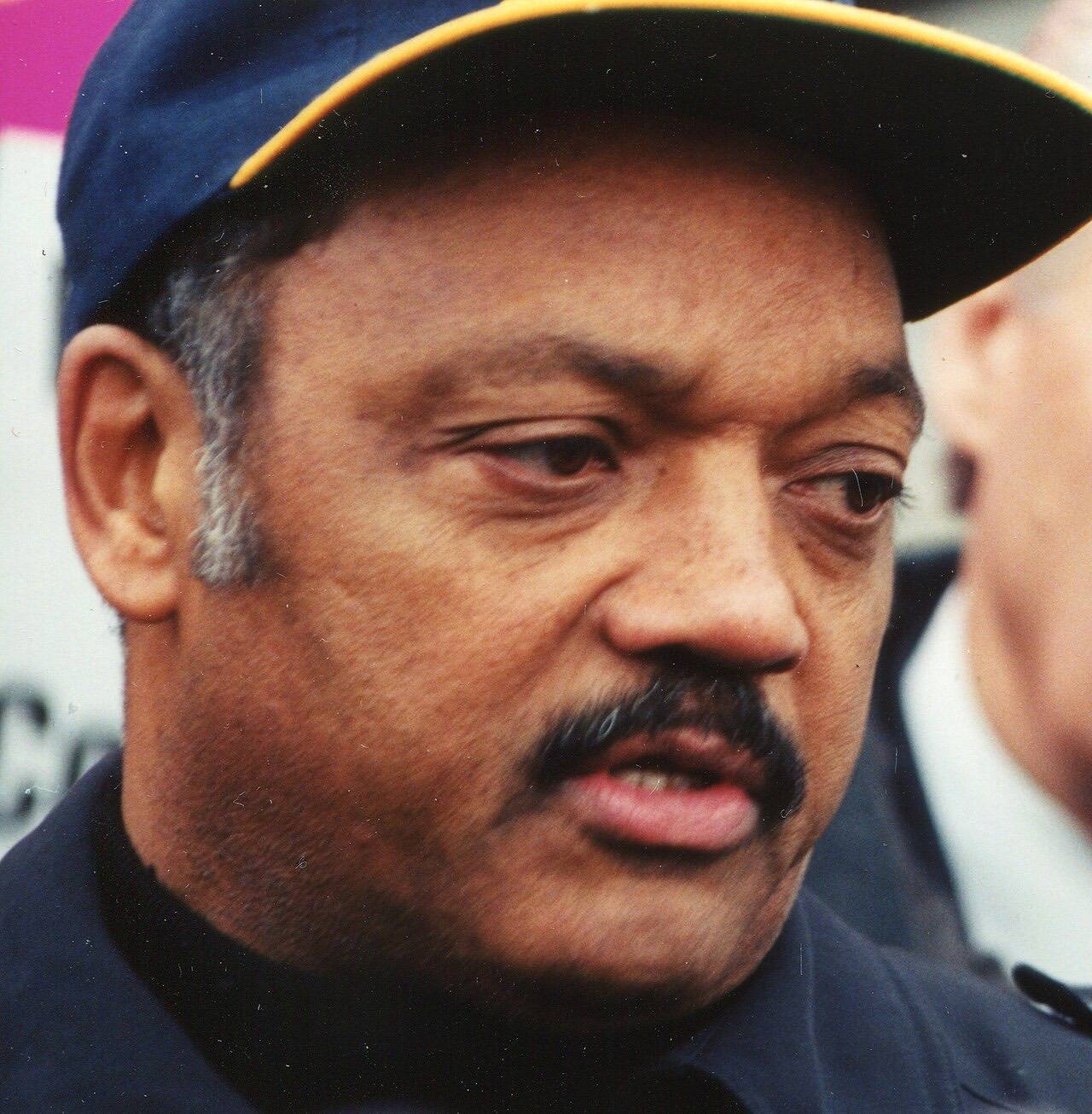
When identity takes precedence over evidence, the very foundation of journalism is compromised.
Identity Politics in the Newsroom
The current political climate has fostered a troubling trend where journalists seem to prioritize their identities - be it race, gender, or political affiliation - over the facts they seek to report. This has a chilling effect on the media's ability to present an unbiased account of events. Instead of letting evidence guide their narratives, some journalists appear to be crafting stories that cater to their audience's pre-existing beliefs, ultimately reinforcing echo chambers rather than challenging them.
While it is vital to have diverse voices in journalism, it is even more critical that these voices do not overshadow the truth. A reporter's identity should inform their perspective but not dictate the story they tell. When journalists become more invested in promoting their identities than in uncovering the facts, we risk a scenario where sensationalism and narrative triumph over accuracy and integrity.
The Right's Pursuit of Controversy
On the right side of the political spectrum, there is often a relentless chase for controversy, with some media outlets opting for sensational headlines over substantive reporting. This approach not only misleads the public but also diminishes the trustworthiness of the media as a whole. The focus on controversy often serves a dual purpose: to attract readers and to further political agendas, which ultimately compromises journalistic standards.
Moreover, the rush to cover the latest "outrage" can result in a lack of contextual analysis, leaving audiences ill-informed and reactive rather than informed and engaged. The consequence is a media landscape where the loudest voices drown out more measured discourse, and where the essential nuance of complex issues is sacrificed on the altar of ratings and clicks.
The Left's Moral Superiority Complex
Conversely, left-leaning outlets sometimes exhibit a tendency towards a moral superiority complex, viewing their reporting as a means of championing social justice causes. While activism has a rightful place in journalism, it should not come at the expense of objective reporting. The danger here is that stories may be twisted or selectively reported to fit a certain narrative, sidelining facts that do not align with the desired outcome.
This inclination can alienate potential audiences who may feel that their viewpoints are not represented or respected. A cycle of distrust breeds when segments of the population feel that the media is not reporting objectively, and this mistrust can lead to calls for alternative forms of media that may lack the same standards of oversight and accuracy.
A Call for Evidence-Based Journalism
What we need now more than ever is a return to evidence-based journalism - an approach that prioritizes facts over identities and narratives. Journalists must refocus their efforts on rigorous fact-checking, deep investigation, and a commitment to presenting a balanced view of the issues at hand. Only then can the media reclaim its role as a vital pillar of democracy.
In conclusion, while the collaborative effort of team journalism has its merits, it must not overshadow the individual responsibility of journalists to present the truth. We must endeavor to hold ourselves and each other accountable, ensuring that evidence remains the cornerstone of our reporting. Only then can we hope to restore faith in the media and its capacity to inform the public accurately and fairly.
✦ ✦ ✦
For local service context, see Ownersfirm.