From the file. Written for the paper dated February 1998. Opened in the public stacks July 14, 2026.
The United States Postal Service (USPS) is in turmoil, caught in a whirlwind of political rhetoric, public dissatisfaction, and operational challenges. As Congress debates potential reforms, the reality on the ground reveals a stark contrast to the claims made by both sides of the aisle.
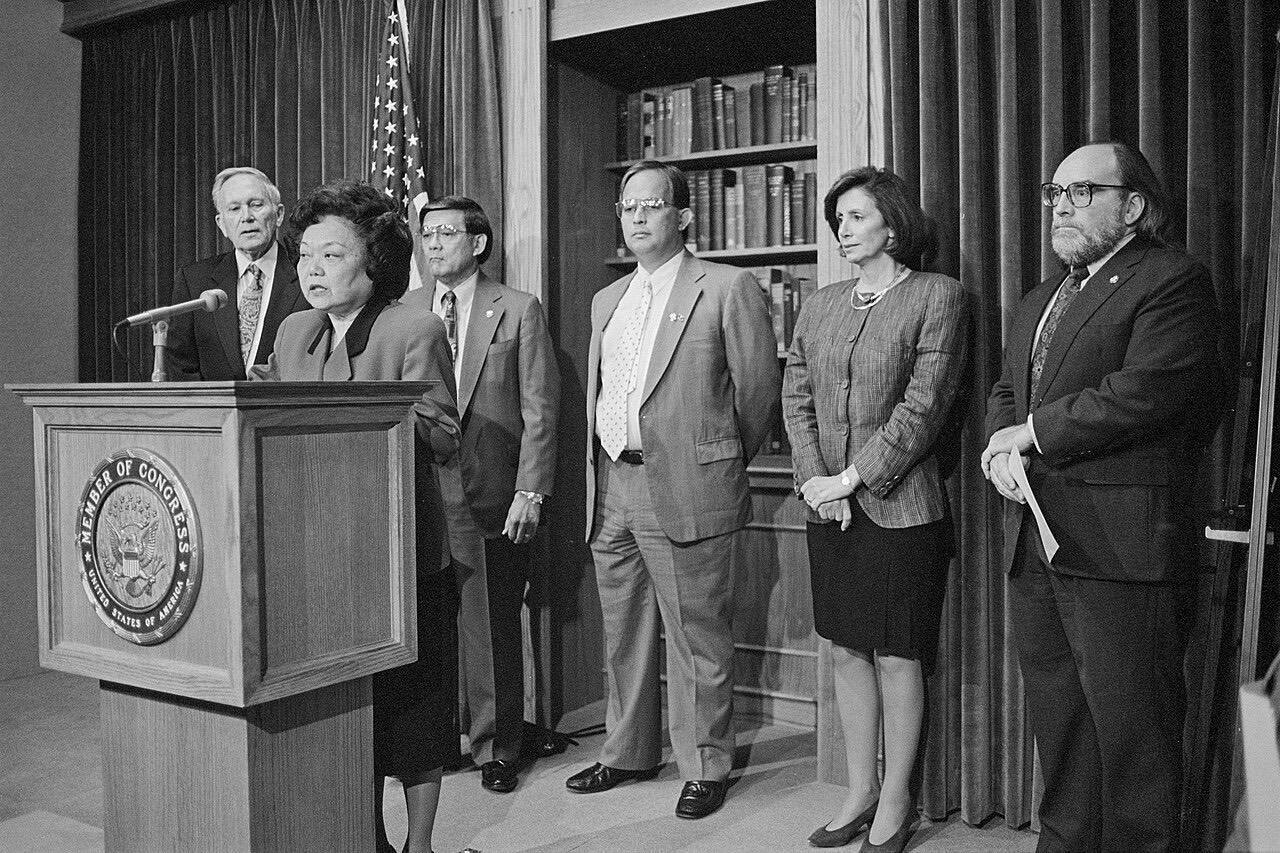
The Political Narrative
On one side, Democrats are eager to paint a picture of a beleaguered postal service under siege from budget cuts and a failure to adapt to modern demands. They argue that the USPS is an essential service that needs support and investment, especially in underserved areas. Meanwhile, Republicans have taken to portraying the agency as a bloated bureaucracy, advocating for privatization and a reduction in government spending.
"The Postal Service must evolve, but not at the cost of sacrificing its core mission to serve every American." - A Democratic Senator
However, as the dust settles, it becomes evident that both perspectives are steeped in exaggeration. The truth lies not in the hyperbolic claims of dire straits or the promises of a streamlined, profit-driven service but in the complexities of an institution grappling with change.
A Closer Look at the Numbers
Recent reports from within the USPS indicate that while there are indeed challenges - such as delays in mail delivery and increased operational costs - the situation is not as catastrophic as some would suggest. For instance, the USPS’s financial troubles stem not just from inefficiencies but also from the introduction of the Postal Reorganization Act of 1970, which transformed it into a self-sustaining entity. This change has created a paradox: the service is expected to operate like a business while fulfilling its obligation to serve all Americans, regardless of profitability.
Moreover, the public perception of the postal service often overshadows the reality of its operational successes. For many Americans, their interactions with the USPS are limited to personal experiences - good or bad - that are often anecdotal. A small delay in receiving a package can lead to an exaggerated belief that the entire system is failing, while a smooth delivery can go unnoticed.
The Role of Leadership
Leadership within the USPS also plays a critical role in shaping public opinion. Postmaster General William Henderson has been vocal about the need for modernization and efficiency, advocating for technological upgrades and operational reforms. However, such proposals face resistance not only from Congress but also from within the ranks of postal workers who fear that modernization may come at the expense of job security and service quality.
"We need to find a balance between modernization and maintaining the trust of our workforce." - Postal Union Leader
This tension between management and labor exemplifies the larger struggle within the USPS - a battle between the necessity for change and the inherent risk that comes with it. Both sides must navigate the murky waters of reform, where the stakes are high, and the implications for millions of Americans are profound.
The Public's Voice
Public opinion remains mixed, with many Americans expressing concern over the future of their postal service. Polls indicate a strong belief in the importance of USPS as a lifeline for rural communities and as a vital cog in the country’s communication infrastructure. Yet, as dissatisfaction grows over service delays and operational inefficiencies, the potential for a shift in public support is palpable.
Furthermore, the rise of digital communication has left many questioning the future relevance of USPS. Can the agency innovate and adapt to an increasingly electronic world while maintaining its commitment to universal service? This question looms large as lawmakers contemplate reforms that could redefine the very nature of the postal service.
Conclusion
As the USPS navigates its current crisis, it is essential to sift through the political noise and examine the realities faced by this crucial institution. Both the left and right are guilty of overstating their claims, whether it be the impending doom of a failing service or the utopian vision of a privatized postal system that meets all consumer needs. A balanced approach, one that acknowledges the complexities of the situation and seeks to foster cooperation rather than division, may be the key to ensuring the longevity and effectiveness of the United States Postal Service.
✦ ✦ ✦