From the file. Written for the paper dated December 1997. Opened in the public stacks July 14, 2026.
As the Earth braces for a potential solar storm, both Republicans and Democrats seem to be ramping up their rhetoric, but are their actions aligned with the best interests of the public?

Understanding the Solar Storm Threat
Solar storms, driven by the sun’s magnetic activity, can disrupt communication systems, power grids, and even satellite operations. With increasing scientific evidence indicating that these storms could have devastating effects on modern infrastructure, the urgency to act is palpable. However, the political response to this natural phenomenon reflects a troubling tendency for both sides of the aisle to prioritize their agendas over the actual needs of the populace.
The Left: Environmental Alarmism or Genuine Concern?
On one hand, we have Democrats who often use the solar storm threat as a launching pad for broader environmental policies. The argument here is that our reliance on fossil fuels and outdated infrastructure makes us particularly vulnerable. While it is true that a transition towards sustainable energy sources, such as solar and wind, could mitigate some risks associated with solar storms, the excessive alarmism can overshadow rational policy discussions. Instead of fostering a constructive dialogue about how to improve our power grids and communication systems, some politicians seem to be using the fear of solar storms to push for sweeping changes that may not be directly related to the immediate threat.
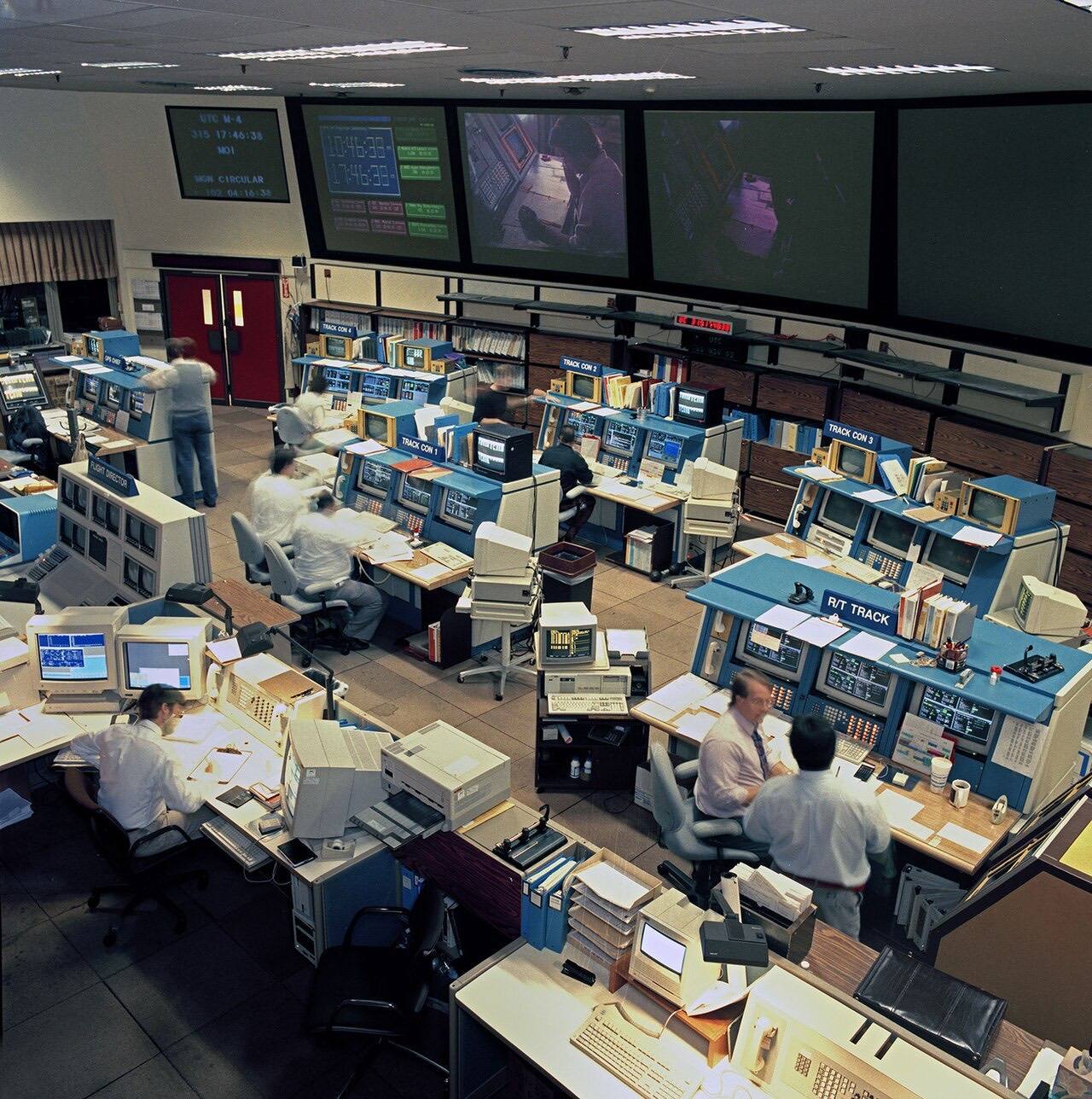
"While the threat of solar storms is real, fear should not dictate policy."
The Right: Corporate Interests and Defensive Posturing
Conversely, the Republican response often revolves around protecting corporate interests and maintaining the status quo. Many on the right dismiss the urgency of preparing for a solar storm, arguing instead that such events are rare and manageable. This perspective, while rooted in a desire to avoid unnecessary government regulation, runs the risk of neglecting crucial investments in infrastructure. The irony here is that by downplaying the threat, they may be paving the way for a larger disaster that would ultimately cost taxpayers far more in recovery efforts.
"A lack of action today could lead to catastrophic consequences tomorrow."
Bridging the Divide: A Call for Bipartisan Action
What is needed is a bipartisan approach that transcends the extremes of both parties. Instead of using the imminent threat of solar storms as a means to push unrelated political agendas, lawmakers should focus on tangible solutions. This means investing in the modernization of our power grids, enhancing the resilience of our communication systems, and ensuring that emergency response protocols are in place. Both parties have their strengths; the left can advocate for sustainable policies while the right can push for fiscal responsibility. Together, they could forge a path that not only prepares us for potential solar storms but also strengthens our infrastructure for the future.
Conclusion: The Cost of Inaction
As we move through December 1997, it is critical for our leaders to recognize the implications of their inaction - or misguided action - on this issue. The threat of solar storms is not merely a scientific concern; it is a matter of national security and public welfare. If both parties continue to engage in political theater, the consequences could be dire. Let us hope that our representatives can rise above partisan divides to address this pressing issue with the seriousness it demands.
✦ ✦ ✦
For local service context, see Ownersfirm.