From the file. Written for the paper dated December 1997. Opened in the public stacks July 14, 2026.
As the political landscape in America continues to polarize, both sides of the aisle demonstrate troubling tendencies that undermine our national discourse. This analysis delves into the incentives driving each party, revealing a pattern of excesses that could threaten the integrity of our democracy.
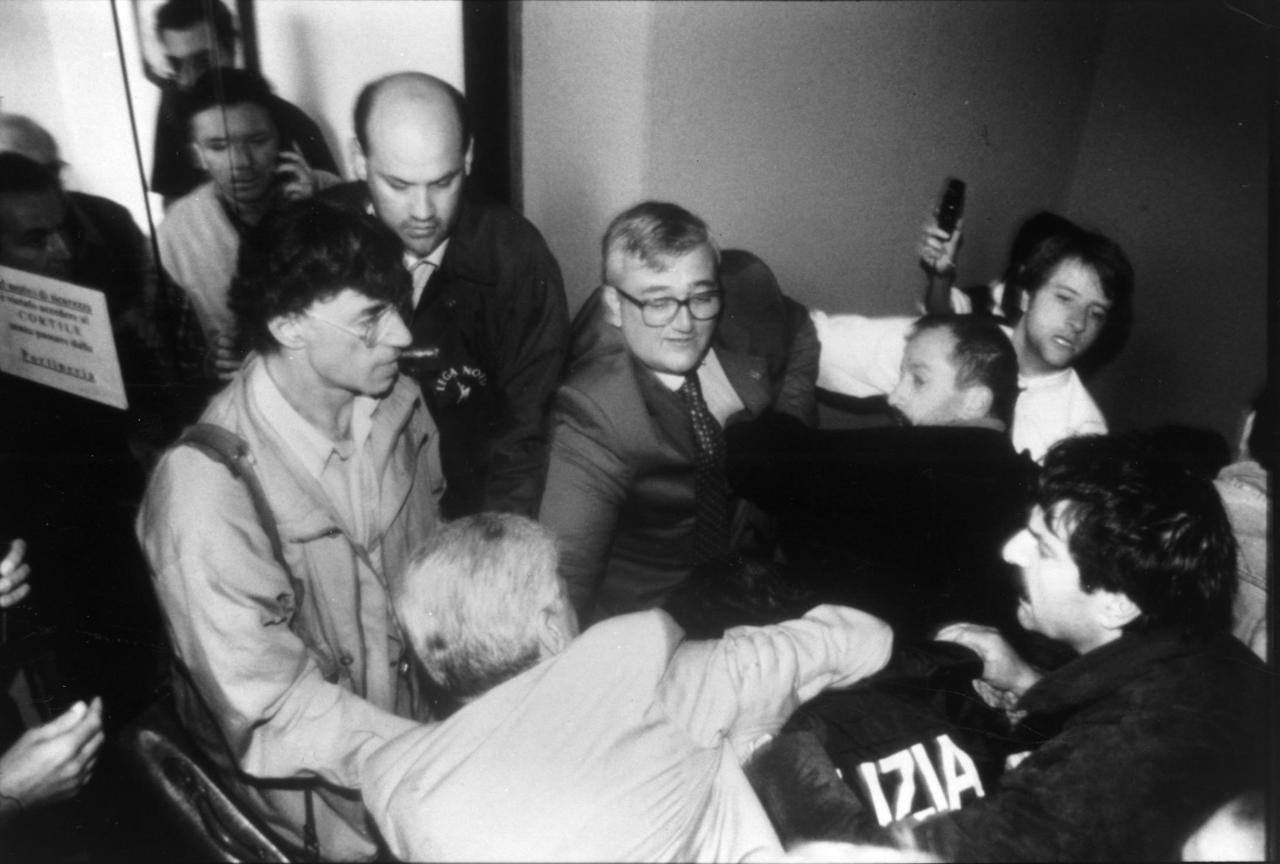
Left's Overreach: The Politics of Outrage
In recent years, the political left has adopted a strategy that often prioritizes outrage over reasoned debate. With the likes of militant environmentalists and vocal civil rights activists leading the charge, the left has generated a climate of fear and indignation that can drown out rational discussion. While the need for social justice and environmental stewardship is undeniably important, the methods employed by some on the left can border on fanaticism. This approach risks alienating moderate voices who might otherwise align with progressive ideals.
"The left risks losing support by embracing extremes that overshadow their core messages."
Take, for instance, the recent protests against corporate greed and environmental degradation. While these issues are deserving of attention, the aggressive tactics employed by some activists have led to a backlash, alienating potential allies. Moderates who might support the cause find themselves turned off by the confrontational tactics and radical rhetoric. This disconnect showcases an overreach that could ultimately undermine the very reforms the left seeks to promote.

Right's Excess: The Culture of Fear
On the other side of the political spectrum, the right has embraced a culture of fear that is equally troubling. The rise of inflammatory rhetoric surrounding issues like immigration and crime has resulted in a divisive, often toxic atmosphere. Politicians are quick to exploit these fears, using them as tools to galvanize their base while neglecting constructive dialogue. This tendency to amplify fears rather than promote understanding is not only irresponsible but also dangerously counterproductive.
"The right's focus on fear tactics detracts from real solutions to pressing issues."
The ongoing debate about immigration reform exemplifies this issue. Instead of engaging in a meaningful conversation about how to address the complexities of immigration, many on the right have resorted to incendiary language that paints immigrants as a threat to national security. This framing not only misrepresents the realities of immigration but also serves to further entrench divisions within society. The failure to engage in thoughtful discourse around these topics is a disservice to the American people.
The Middle Ground: A Call for Balance
Both extremes are guilty of neglecting the middle ground, where the majority of Americans reside. This is a space where rational conversation, compromise, and cooperation can thrive. It is essential for both parties to recognize that the loudest voices do not necessarily represent the will of the people. As the nation moves forward, there is an urgent need for leaders on both sides to prioritize dialogue over dogma.
The American electorate is tired of the extremes. Many citizens are seeking leaders who will prioritize the common good over partisan agendas. In a time when the nation faces significant challenges - ranging from economic inequality to environmental crises - there is an undeniable need for a collaborative approach. By focusing on shared values and collective goals, both sides can work together to develop solutions that benefit all Americans.
Conclusion: A Path Forward
As we close out 1997, the political environment is marked by excesses on both sides of the aisle. The left must temper its outrage and embrace a more inclusive approach, while the right must move away from fear-based tactics that serve to divide rather than unite. Acknowledging the need for cooperation is paramount for the future of our democracy. By encouraging respectful dialogues and fostering an environment of understanding, we can hope to overcome the divisive tactics that have come to define our current political climate.
✦ ✦ ✦