From the file. Written for the paper dated September 1997. Opened in the public stacks July 14, 2026.
As the debate over various international treaties continues to swirl, the landscape of American politics is marked by a remarkable inconsistency. Both sides - the left and the right - seem to be embracing certainty, though their definitions and methods vary widely.
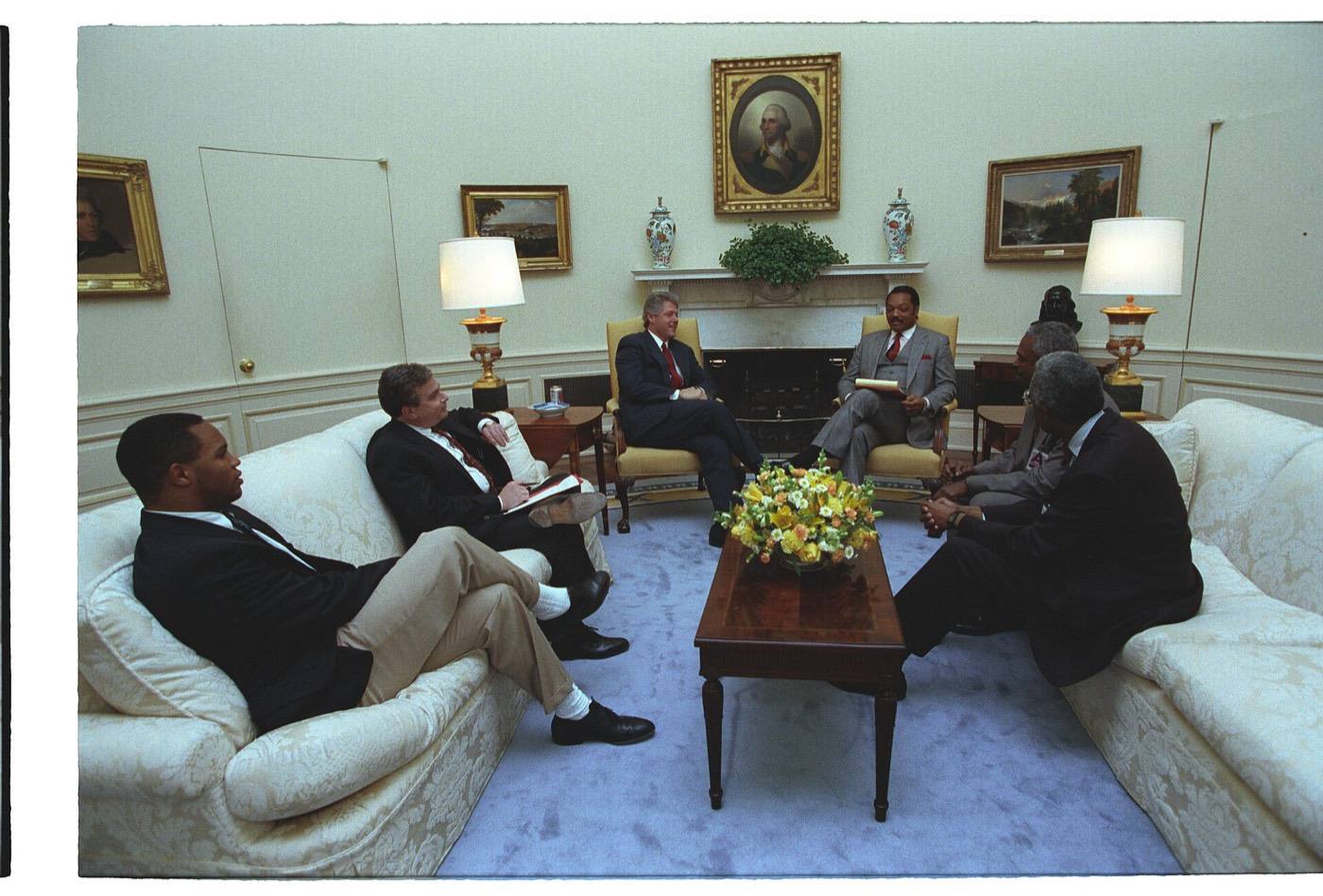
Treaty Ratification: A Political Football
The ongoing discussions around treaty ratification have become emblematic of a larger issue in American politics: the tendency to prioritize party loyalty over national interest. The debate surrounding the Comprehensive Test Ban Treaty (CTBT) serves as a potent example. While many Democrats push for ratification, arguing it's essential for global nuclear non-proliferation, some Republicans have launched a vehement campaign against it, claiming it undermines U.S. sovereignty and security.
“We must not allow international bodies to dictate our national policy. The future of America depends on our ability to act independently.”
This sentiment, echoed by various factions on the right, illustrates a growing trend: the fixation on an "America First" doctrine that often disregards the complexities of global interdependence. Meanwhile, the left's zeal for treaties often comes with a touch of moral superiority, framing opposition as an affront to international cooperation. This has created a political theater where certainty is marketed as the ultimate virtue, yet both sides often fall prey to oversimplification.

What both sides fail to recognize is that the world of international treaties is inherently complex. The nuances of foreign relations and the implications of policy decisions often demand a more flexible approach than what is currently being offered. Instead, we see a rush to label treaties as either a panacea or a threat, depending on the political allegiance of the speaker.
The Left's Idealism vs. The Right's Realism
The left's approach to treaties is often steeped in a form of idealism that can cloud practical considerations. Advocates argue that ratifying treaties like the CTBT is a moral obligation, positing that the U.S. must lead by example in the fight against nuclear proliferation. However, this fervor sometimes overlooks legitimate concerns about verification and compliance, leaving critics to question how effective such treaties will actually be.
On the other hand, the right frequently adopts a cynical stance, questioning the efficacy of international agreements altogether. The argument often boils down to a fear of losing control over national policy to foreign entities. This perspective, while grounded in a desire for sovereignty, can lead to isolationism, as evidenced by the reluctance to engage in multilateral agreements that may serve long-term U.S. interests.
Certainty as Currency
In this political climate, certainty has become a valuable currency. Politicians on both sides are adept at packaging their positions in a way that makes them appear more definitive and resolute than the situation warrants. This strategy not only galvanizes their base but also sidelines more nuanced discussions that might actually lead to productive outcomes.
The rush to certainty is also evident in media coverage, which often simplifies complex foreign policy issues into sound bites and slogans. The framing of the CTBT debate as a binary choice - ratification or rejection - exemplifies this tendency. The reality is far more complicated, requiring a careful weighing of the potential benefits against the risks and limitations inherent in any treaty.
A Call for Nuance
As the United States grapples with these critical issues, what is needed is a more nuanced approach to treaty ratification. Both sides must step back from the rhetoric of certainty and engage in a more comprehensive dialogue about the implications of their positions. The goal should not be to win a political battle but to foster an environment where international agreements can be evaluated on their merits, rather than through the lens of partisan loyalty.
In doing so, we may find that a more collaborative approach to foreign policy could actually enhance U.S. security and standing in the world. Treaties should not be viewed merely as political tools but as vital instruments for navigating a complex global landscape. The challenge lies in moving beyond the superficial certainty that currently dominates the discourse and embracing the complicated realities that define international relations.
Conclusion
As the debates continue, it is crucial for both the left and the right to recognize that the world is not simply black and white. The path forward requires a commitment to understanding the intricate dynamics at play in international treaty ratification. Only by stepping away from the extremes of certainty can we hope to foster a more effective and cooperative approach to global governance.
✦ ✦ ✦