From the file. Written for the paper dated August 1997. Opened in the public stacks July 14, 2026.
Redistricting is a political maneuver that both parties engage in with fervor, yet often forget the implications of their actions once the tables are turned. In this moment of fierce political debate, it's crucial to examine how both the left and the right have cultivated a habit of selective memory regarding this contentious issue.

The Political Landscape
As we stand on the brink of the 1998 elections, redistricting has become a central question for both major political parties. The process, which involves drawing district lines to determine electoral boundaries, is often manipulated to favor one party over another. This practice, known as gerrymandering, has become a bipartisan effort, with both sides employing it to solidify their respective power bases. Yet, as each party takes its turn in the gerrymandering game, they often forget their previous stances and actions.
The left has historically championed reforms in redistricting, advocating for fair representation and the elimination of partisan bias. However, when in power, many Democrats have engaged in the very practices they once condemned. The recent Democratic-led redistricting efforts in states like California and Illinois exemplify this duplicity, where district lines are drawn not to enhance democratic participation but to secure political advantages.
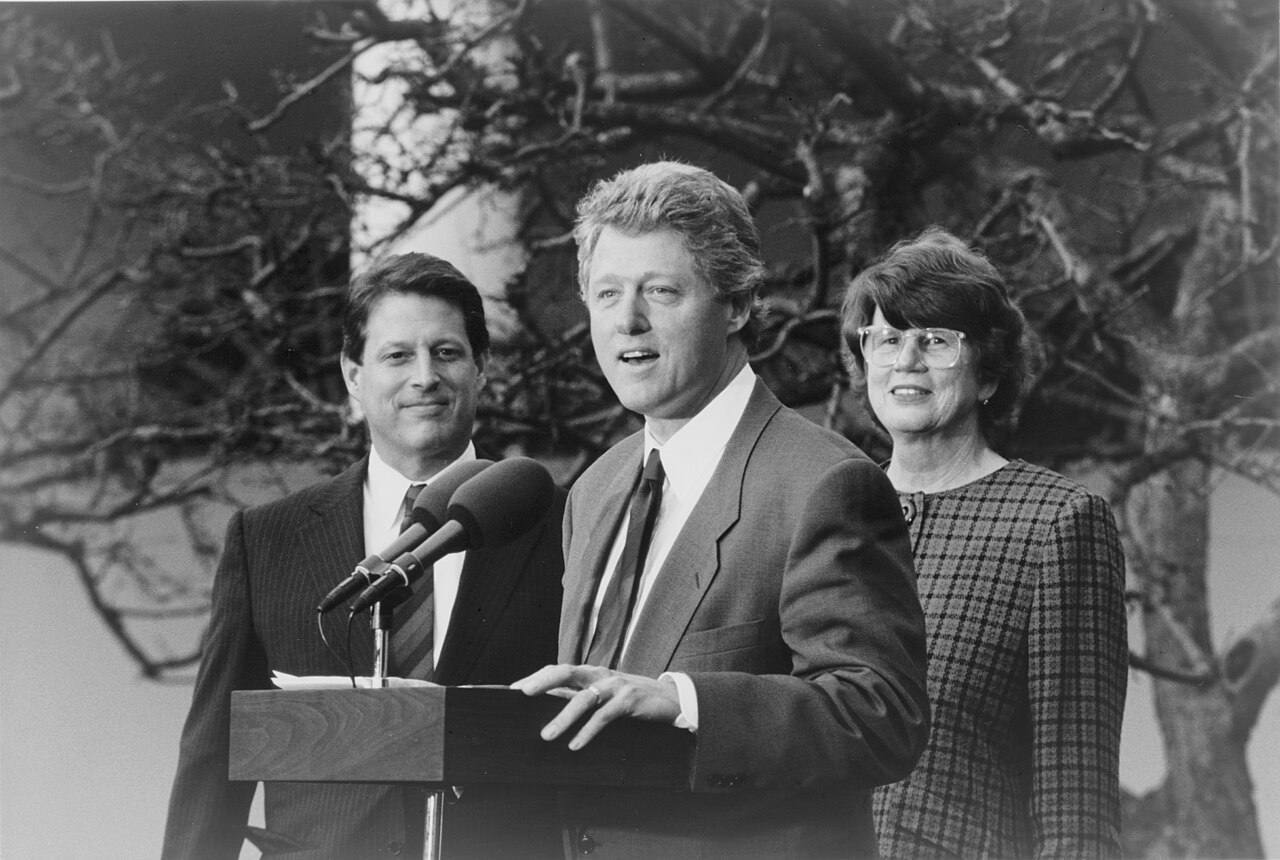
Conversely, the right has not been shy about flexing its gerrymandering muscles either. Republican-led initiatives in states such as Texas and Florida have also prioritized party interests over fair representation. The hypocrisy is palpable; while both sides may decry the other's tactics, they often turn a blind eye to their own transgressions once they gain the upper hand.
"In the game of political chess, the players conveniently forget the moves they made when the tables are turned."
Public Perception and Accountability
The public’s perception of redistricting is often clouded by partisan rhetoric. Many citizens, disillusioned by the political process, fail to recognize how gerrymandering directly impacts their representation. This lack of awareness allows both parties to perpetuate their selective memories, as voters are often swayed by short-term wins rather than long-term implications.
Moreover, the media plays a significant role in shaping this narrative. Coverage of redistricting is often simplistic, focusing on the immediate political gains rather than the broader consequences on democracy. This results in a public that is not fully informed, allowing both parties to operate with impunity. The challenge lies in fostering a more informed electorate that can hold politicians accountable for their actions, regardless of party affiliation.
The Call for Reform
The growing awareness of gerrymandering has sparked calls for reform from various quarters, including grassroots organizations and some politicians. Proposals for independent redistricting commissions have gained traction, as these bodies could help remove partisan bias from the process. However, the road to reform is fraught with challenges, as both parties are reluctant to relinquish control over a practice that has served them well in the past.
In the face of these challenges, it is essential for voters to demand accountability and transparency from their elected officials. The fight for fair representation should transcend party lines, uniting citizens in a common goal of democratic integrity. By holding politicians accountable for their actions, the electorate can encourage a culture of honesty and integrity in political discourse.
Conclusion
As we move closer to the 1998 elections, the issue of redistricting remains a critical topic for both Democrats and Republicans. The bipartisan habit of selective memory must be addressed if we hope to foster a more equitable political landscape. It is time for both parties to acknowledge their roles in the gerrymandering game and to prioritize the principles of democracy over partisan interests. Only then can we hope to achieve genuine representation for all citizens.
✦ ✦ ✦