From the file. Written for the paper dated June 1997. Opened in the public stacks July 14, 2026.
In a world increasingly divided by extremes, finding a middle ground has become a rare but necessary pursuit. This week, the discourse surrounding key issues reveals not only the costs of certainty but also the dangers of dogmatism from both the left and the right.

The Left's Idealism
On one end of the spectrum, the left continues to push for reforms that promise social justice and equality. While these aspirations are commendable, they often come at the cost of practicality. For instance, the ongoing debates about healthcare reform highlight a relentless pursuit of a universal system. Advocates argue that it is a moral imperative, yet they frequently overlook the financial implications and complexities involved in such sweeping changes. The idealism that drives these movements can create an echo chamber where dissenting voices are drowned out and pragmatic solutions fall by the wayside.
The Right's Certainty
Conversely, the right exhibits an unwavering commitment to free-market principles and limited government intervention. This certainty, while appealing, can lead to a refusal to acknowledge the very real challenges that many Americans face. As seen in recent discussions regarding welfare reform, the argument often revolves around personal responsibility without fully appreciating the systemic barriers that prevent individuals from achieving self-sufficiency. Such an approach can alienate those who feel unheard and dismissed, further entrenching societal divides.
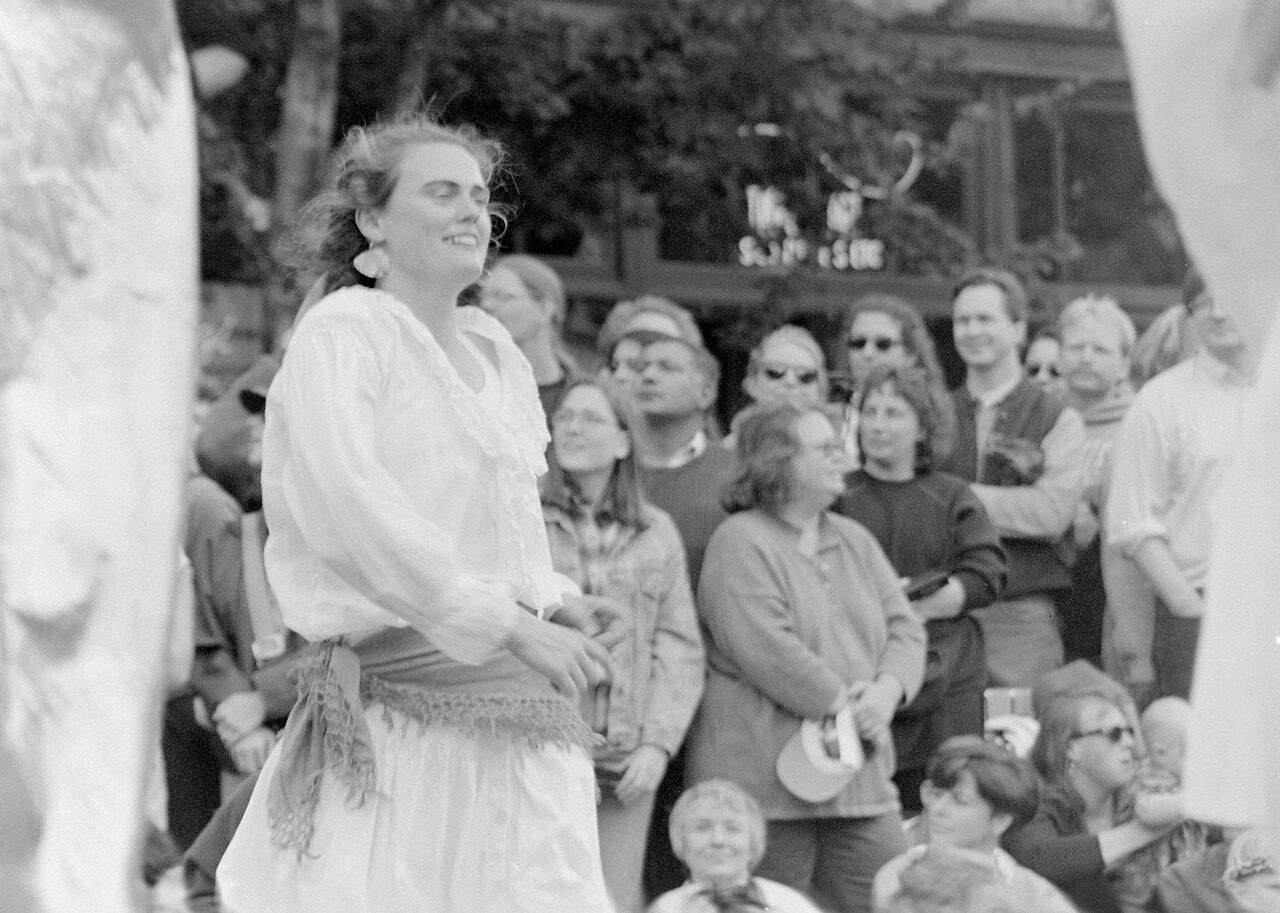
“The cost of certainty is often the exclusion of nuance and the silencing of necessary debate.”
The Dangers of Polarization
The polarization of political discourse has resulted in a climate where compromise is seen as weakness. Both sides are entrenched in their beliefs, often resorting to rhetoric that is more about scoring points than fostering genuine understanding. The bickering and blame-shifting distract us from addressing the core issues that affect everyday Americans. It raises the question: at what cost do we cling to our certainties?
Seeking Common Ground
As we move through this week and beyond, it is crucial to pursue a middle ground that embraces complexity and acknowledges the gray areas of policy and ethics. Engaging in constructive dialogue is essential to bridging the gap between opposing viewpoints. It requires listening, empathy, and a willingness to adapt. For instance, rather than dismissing welfare reform entirely, discussions could focus on how to reform existing systems to better serve those in need while fostering personal responsibility.
Conclusion
In this moment of heightened polarization, it is paramount that we recognize the cost of certainty from both sides. Idealism and dogmatism, while rooted in sincere beliefs, can lead to detrimental outcomes if left unchecked. By striving for a nuanced understanding and fostering dialogue that values diverse perspectives, we can move toward solutions that truly benefit all Americans.
✦ ✦ ✦