From the file. Written for the paper dated April 1997. Opened in the public stacks July 14, 2026.
In an era where scientific discoveries often capture the public's imagination, the recent release of a telescope image reminds us that the most fascinating revelations can sometimes be overshadowed by the humdrum mechanics behind them.
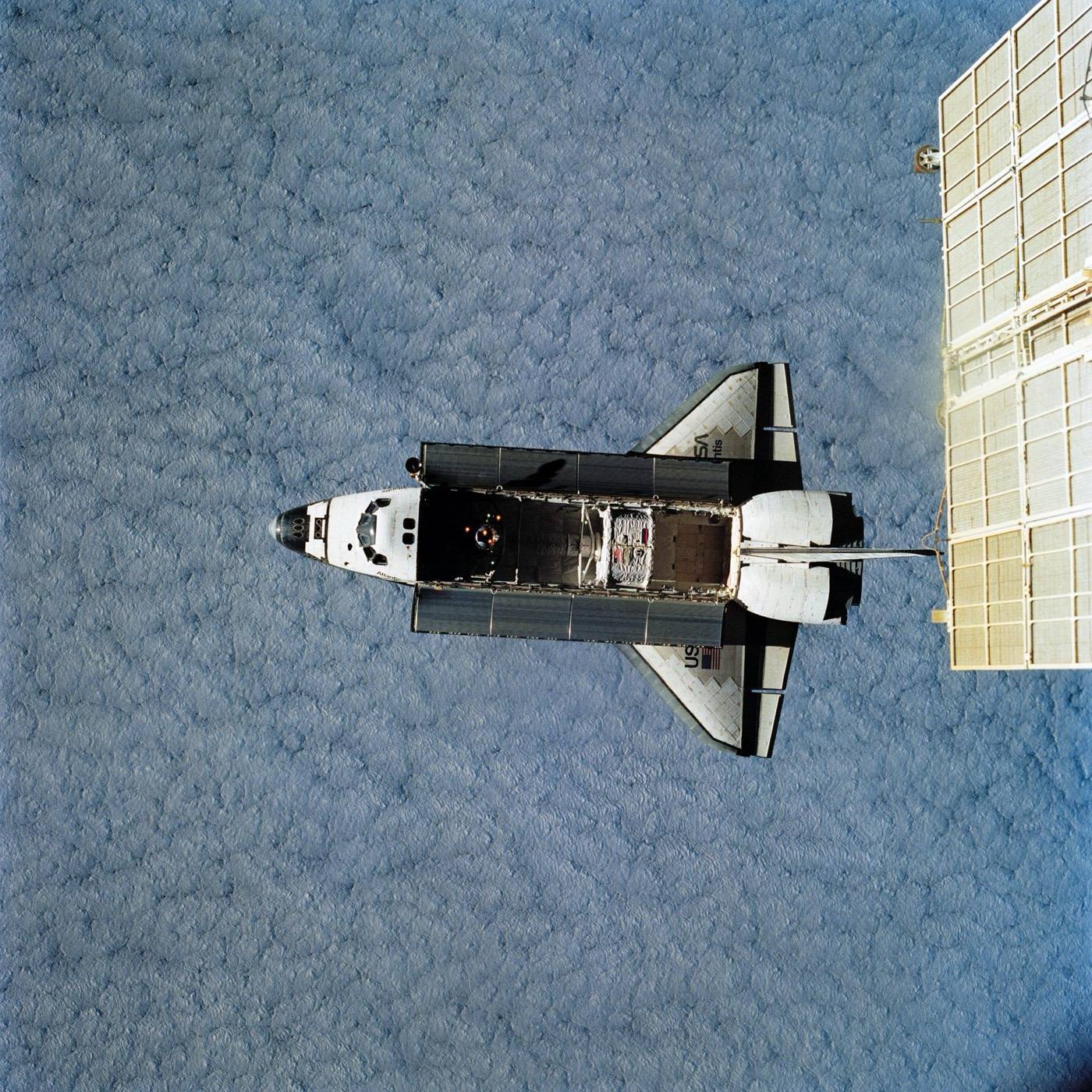
Tuning In to the Universe
For those who have gazed at the night sky, the twinkling stars and bright planets evoke a sense of wonder. But as scientists utilize sophisticated telescopes to pierce the veil of the cosmos, what stands out is not just the celestial bodies themselves, but the intricate mechanisms that allow us to observe them. Recent images produced by advanced telescopes have been met with excitement, but they also unveil the complex, often tedious processes that make such observations possible.
The latest images from the Hubble Space Telescope, for example, showcase the stunning detail of far-off galaxies, nebulas, and other celestial phenomena. Yet, behind these breathtaking visuals lies a meticulous process that includes calibration, data processing, and noise reduction. This “boring” aspect is crucial for ensuring that what we see is both accurate and meaningful.
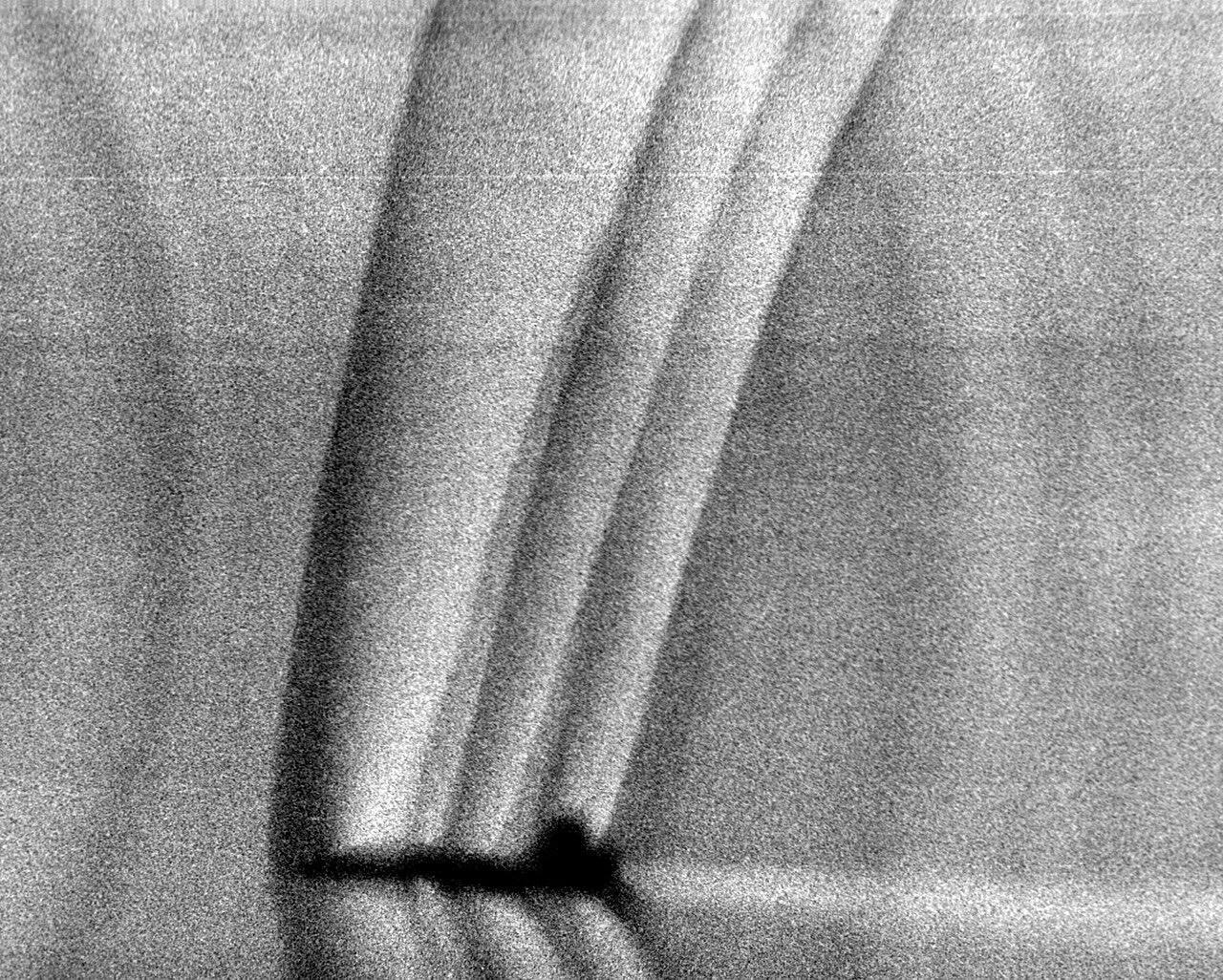
The Noise Factor
Noise, in terms of astronomical imaging, refers to any unwanted signals that can obscure or distort the actual data being collected. It can be generated by various sources, including the equipment itself, environmental conditions, and even the observer’s own limitations. As a result, astronomers spend countless hours refining their techniques to minimize noise and enhance the clarity of their images.
“While the images may dazzle the public, it is the behind-the-scenes work that truly makes them shine.”
A major part of this process involves sophisticated algorithms designed to filter out unwanted noise. These algorithms can be likened to the sound engineers who remove static from a recording to ensure that the music can be heard clearly. In the world of astronomy, the music is the signal from the stars, and without careful engineering, the song would be lost amid the cacophony.
Balancing Act: Science and Public Perception
The excitement surrounding the release of telescope images often leads to sensational headlines and public fascination. However, it is essential to strike a balance between captivating storytelling and the reality of scientific processes. Both extremes can lead to misunderstanding; the public may either marvel at the wonders of the universe or grow disillusioned with the scientific method if it seems too distant from their everyday experiences.
On one hand, the left-wing media tends to romanticize scientific discoveries, framing them as miraculous breakthroughs that will solve humanity's problems. This approach can create unrealistic expectations about the impact of scientific advancements. On the other hand, the right-wing discourse often questions the value of such research, dismissing it as a waste of taxpayer money while ignoring the long-term benefits that scientific inquiry can provide. Both sides can miss the mark when they fail to recognize the importance of the foundational work that supports groundbreaking discoveries.
The Scientific Method: A Necessary Routine
The reality is that scientific progress is often a slow and methodical process. For every stunning image released, there are countless hours of labor invested in calibration, testing, and troubleshooting. Scientists are often confined to their laboratories or observatories, running simulations, analyzing data, and refining their equipment. This is the “boring” aspect that is essential to the creation of credible scientific knowledge.
As the public continues to clamor for the next big discovery, it is crucial to remember that science is not just about the end results. It is about the rigorous processes that lead to those results. The next time a telescope image captures your attention, take a moment to appreciate the dedication and hard work that made it possible.
Conclusion: The True Value of Patience in Science
In summary, while images from telescopes like Hubble offer a glimpse into the universe's depth and beauty, it is the underlying mechanisms that deserve equal attention. The scientific method, with its focus on precision and accuracy, may seem mundane, but it is the bedrock of progress. By fostering a better understanding of what goes into these findings, we can cultivate a more informed and engaged public that appreciates the nuances of scientific endeavor.
✦ ✦ ✦