From the file. Written for the paper dated March 1997. Opened in the public stacks July 14, 2026.
In a time when the lines between fact and fiction blur with alarming ease, the role of rumor in shaping our political landscape demands scrutiny. As we navigate the tumultuous waters of partisan politics in 1997, it becomes increasingly clear that both the left and right have succumbed to the seductive power of rumor, often at the expense of truth and rational discourse.
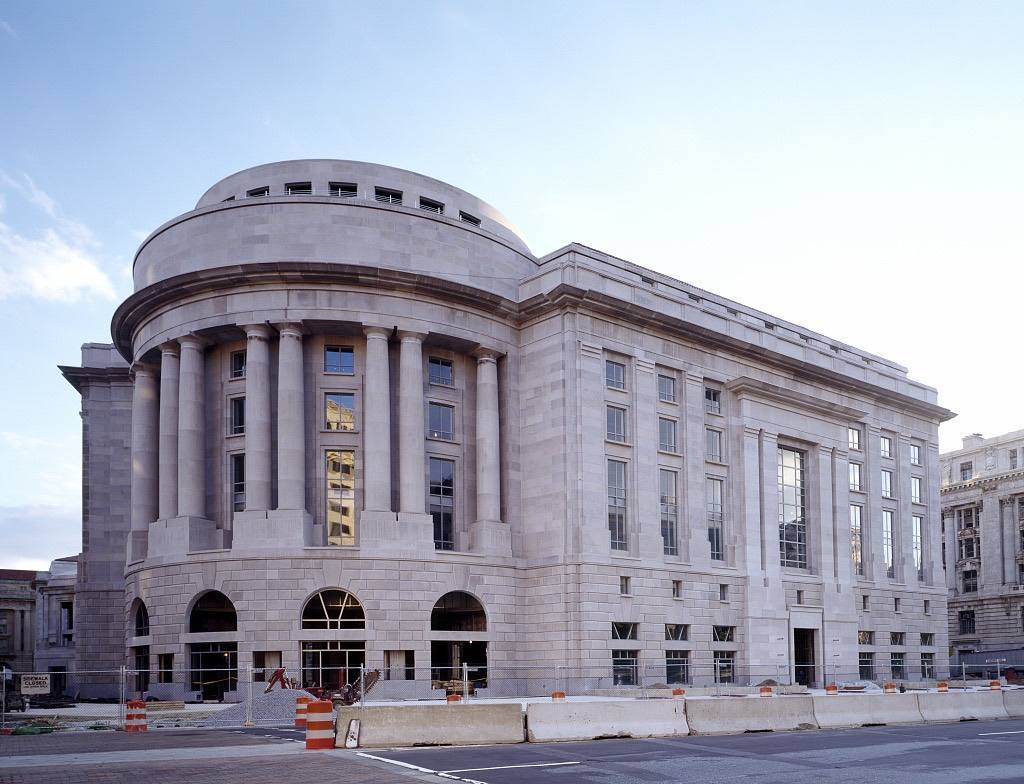
The Left's Lament: Victims of Their Own Narrative
On one side of the aisle, we find the left, grappling with a narrative that has become as much about victimhood as it is about progress. The recent surge in activist culture has birthed an unparalleled fervor for social justice, but it has also created an environment where rumor can thrive unchecked. The left's echo chambers, often filled with well-meaning individuals, sometimes prioritize emotional resonance over factual evidence. This can lead to the dissemination of half-truths and outright fabrications, all in the name of a cause that seeks to uplift the marginalized.
The fervor surrounding issues like affirmative action and environmental justice is commendable; however, the reliance on anecdotal evidence can obscure the complexities of these topics. Take, for example, the contentious discussions around welfare reform. While it is crucial to advocate for those in need, the left must tread carefully, ensuring that the narrative does not devolve into a simplistic tale of “us versus them.” When rumors about welfare recipients are allowed to fester, they can poison public opinion, leading to misguided policies that fail to address the root causes of poverty.
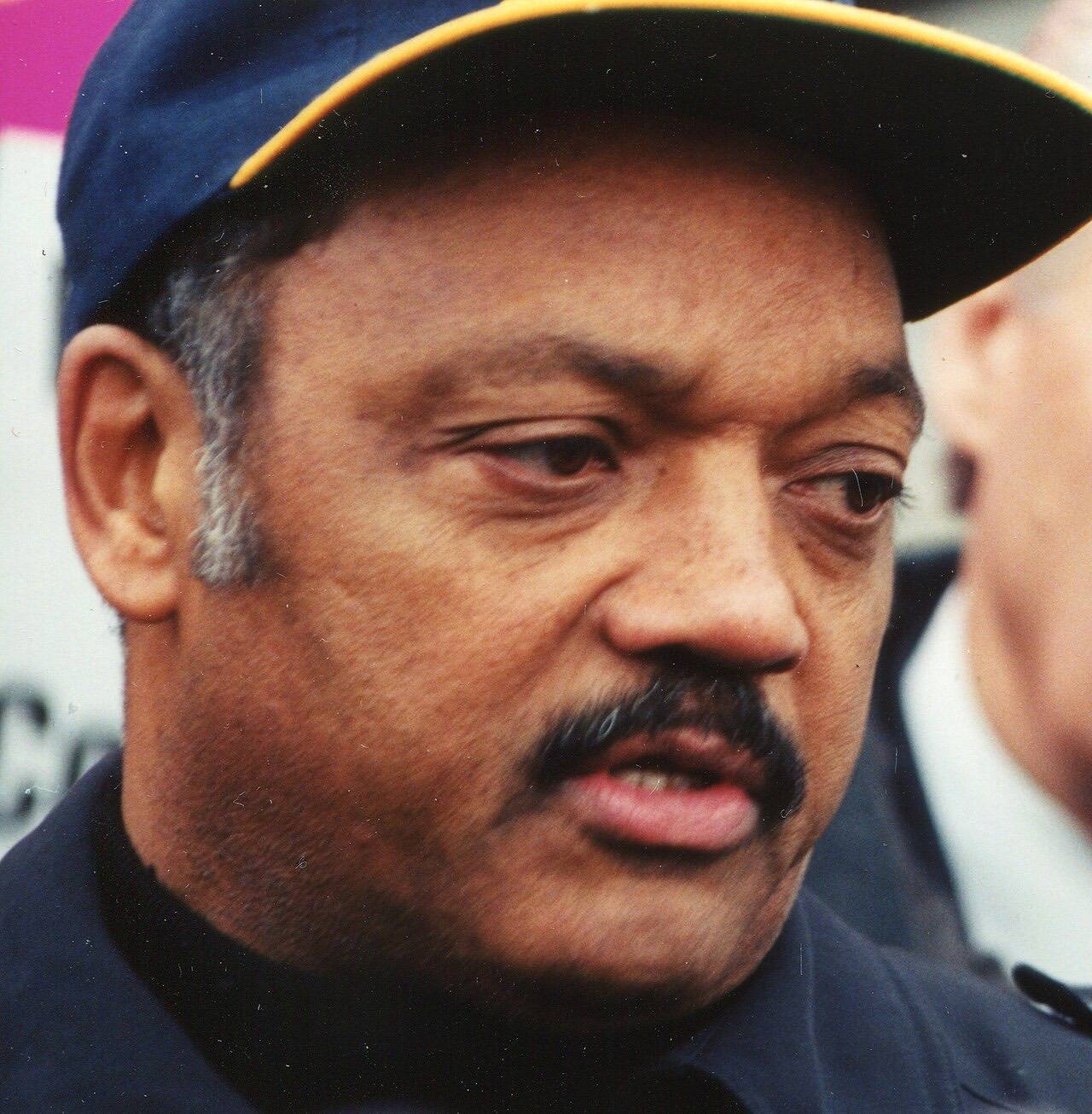
"When rumors about welfare recipients are allowed to fester, they can poison public opinion."
The Right's Rhetoric: Fear as a Tool
Conversely, the right has embraced a different brand of rumor, one that thrives on fear and division. In recent months, the conservative media landscape has been rife with sensationalist claims and alarmist rhetoric. The framing of immigration as a dire threat to national security is a prime example of how rumor can be weaponized. It is easy for the right to paint a picture of chaos and danger, but such tactics risk overlooking the human stories behind immigration. The problem lies not merely in the policy but in the narratives we construct around it.
The rise of talk radio has amplified this trend, as hosts engage in a fervent exchange of opinions that often lack substantiation. By presenting hearsay as fact, they create a culture where suspicion reigns supreme. This fear-driven approach not only alienates potential allies but also undermines the very democratic principles the right claims to uphold. In a society where the truth is sacrificed for sensationalism, we must ask ourselves - what are we really defending?
"By presenting hearsay as fact, they create a culture where suspicion reigns supreme."
Finding Common Ground: Evidence Before Identity
Both sides, in their quest for power and validation, have lost sight of a fundamental truth: evidence should precede identity. When political allegiance becomes a badge of honor, the pursuit of truth often falls by the wayside. The polarization we witness today is not just a symptom of differing ideologies; it is a reflection of our collective failure to engage with evidence-based discourse.
As citizens, we must demand more from our leaders and ourselves. It is imperative to cultivate a culture that prioritizes facts over fervor. We must challenge the narratives that are built on shaky foundations, whether they originate from the left or the right. The responsibility lies with us to sift through the noise and seek out the truth, even when it is inconvenient or challenges our preconceived notions.
A Call to Action: Embrace the Complexity
In a world rife with rumor, our ability to embrace complexity has never been more crucial. We are living in an age where simplistic narratives can take hold with startling speed, creating divisions that can feel insurmountable. However, it is within this complexity that we find the potential for genuine dialogue and progress.
We must resist the urge to retreat into our ideological corners and instead engage in conversations that challenge us to think critically. This means listening to opposing viewpoints, scrutinizing our own beliefs, and, above all, valuing evidence over emotion. Only then can we hope to build a political landscape that is grounded in truth, one that reflects the diverse experiences and perspectives of our citizenry.
✦ ✦ ✦