From the file. Written for the paper dated January 1997. Opened in the public stacks July 14, 2026.
As the sun reaches a period of increased activity, scientists and institutions scramble to protect both technology and society from the potentially devastating effects of solar storms.
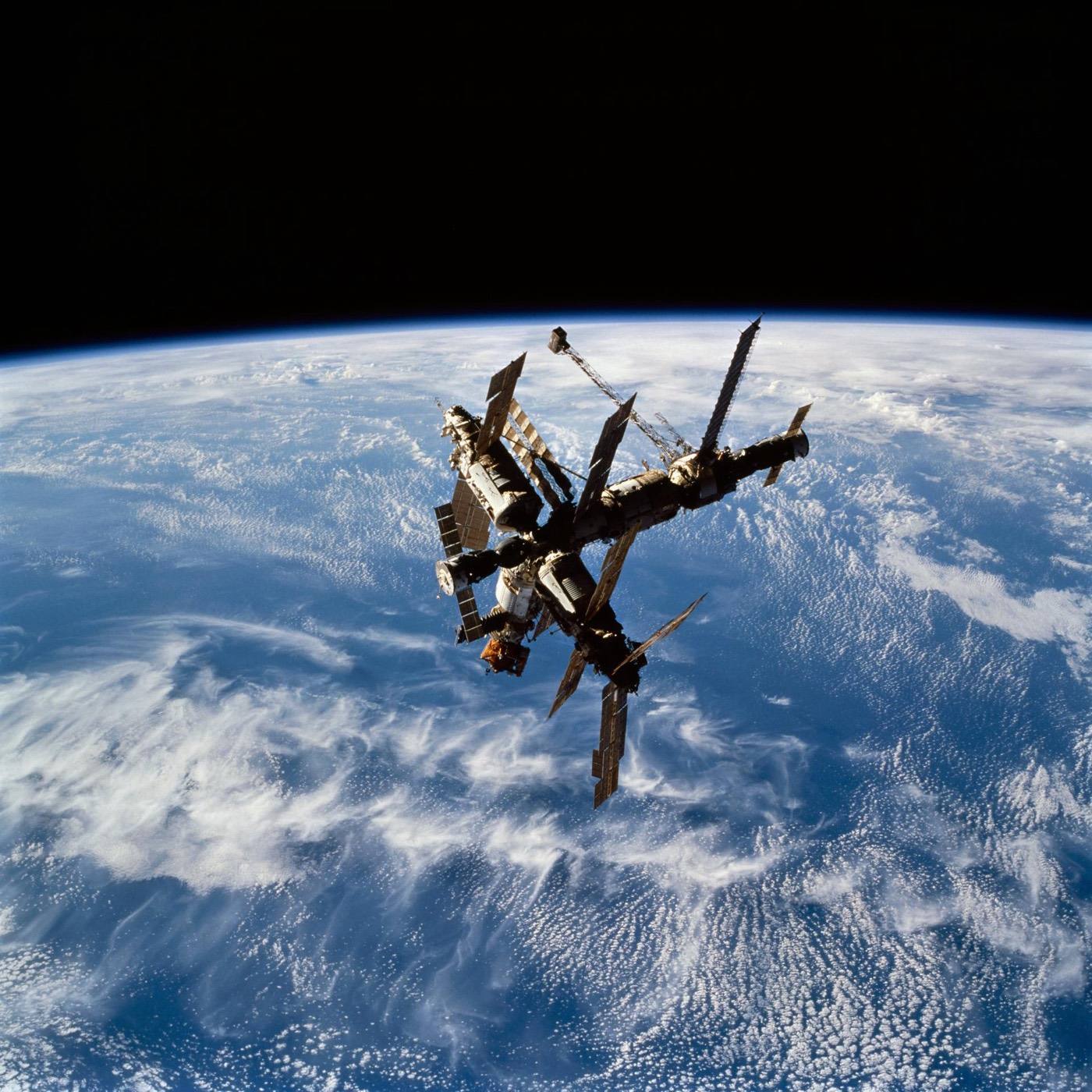
Understanding Solar Storms
Solar storms, also known as coronal mass ejections (CMEs), are massive bursts of solar wind and magnetic fields rising above the solar corona or being released into space. These storms can produce powerful electromagnetic disturbances that affect satellites, radio communications, and even ground-based power systems. The recent uptick in solar activity has raised alarms in both the scientific community and sectors reliant on technology.
The Institutional Response
As we enter 1997, it is crucial for various institutions, both governmental and private, to bolster their defenses against the anticipated solar storms. NASA, the National Oceanic and Atmospheric Administration (NOAA), and various telecommunications companies are at the forefront of devising strategies to mitigate potential damages. Yet, the approaches differ significantly between these entities, reflecting a broader ideological divide.
“We need to take these threats seriously, but we must also avoid overreacting to every fluctuation in solar activity.”
Governmental Preparedness
Government agencies are often criticized for their slow response to impending threats. However, in the case of solar storms, there is a concerted effort to preemptively address the challenges posed. NOAA's Space Environment Center has ramped up monitoring capabilities and is working to provide timely alerts to power companies and telecommunications providers. Yet, some argue that agencies are too bureaucratic in their approach, often caught in a quagmire of red tape that delays effective action.
Corporate Vigilance
On the other hand, private companies are taking a more aggressive stance, often investing millions into research and development to protect their assets. Major telecommunications firms have begun to upgrade their infrastructure, implementing more robust technology to safeguard against electromagnetic interference. However, this push can sometimes veer into excessive caution, leading to inflated budgets that ultimately burden consumers.
The Balance Between Caution and Overreaction
Critics on both sides of the spectrum highlight the dangers of either extreme. The left often warns against the potential for corporate overreach, where companies use the threat of solar storms as an excuse to inflate prices or push unnecessary upgrades. Conversely, conservative voices point out that governmental agencies can often become alarmist, prioritizing sensationalism over scientific accuracy in their public communications.
Public Awareness and Preparedness
The public’s understanding of solar storms remains limited. Many do not realize the potential impact these events can have on daily life, from disrupted television broadcasts to power outages. Educational programs aimed at informing the public about solar activity and its possible consequences are sorely needed. Yet, efforts to raise awareness can often be muddled by political agendas, with both sides of the aisle accusing each other of fearmongering.
Looking Ahead
As we move forward into 1997, it is imperative for institutions to collaborate rather than operate in silos. A united front - combining government oversight with corporate innovation - could yield a more effective response to the challenges posed by solar storms. This collaboration could also serve as a model for addressing other scientific and technological challenges that lie ahead.
Conclusion
The threat of solar storms is real, yet how we respond to that threat can reveal much about our societal values and priorities. Both left and right must recognize the dangers of their respective extremes - whether it be excessive caution leading to unnecessary corporate spending or alarmist rhetoric that neglects the scientific facts. As we navigate the complexities of this issue, a balanced approach grounded in collaboration may be our best defense against the unpredictable forces of nature.
✦ ✦ ✦