From the file. Written for the paper dated December 1996. Opened in the public stacks July 14, 2026.
As the budget standoff stretches into its second month, the public's attention has shifted from the headline-grabbing showdowns to the less glamorous but critical procedural issues that underlie this legislative impasse.

Understanding the Standoff
In the midst of a political landscape rife with polarizing extremes, the budgetary deadlock in Washington has become a microcosm of the larger ideological battle being waged. On one side, the Republicans, emboldened by their recent electoral victories, seem determined to cut government spending to the bone, advocating for a leaner federal budget. On the other, the Democrats cling to the belief that social programs must be preserved, arguing that the very fabric of American society depends on them.
But while both sides posture and point fingers, what often gets lost in the shuffle is the procedural machinery of how these budgets are crafted and passed. The average American might be more interested in the daily squabbles on the House and Senate floors than the arcane rules that govern the budgetary process. However, it is precisely this process that has led us into the current morass.
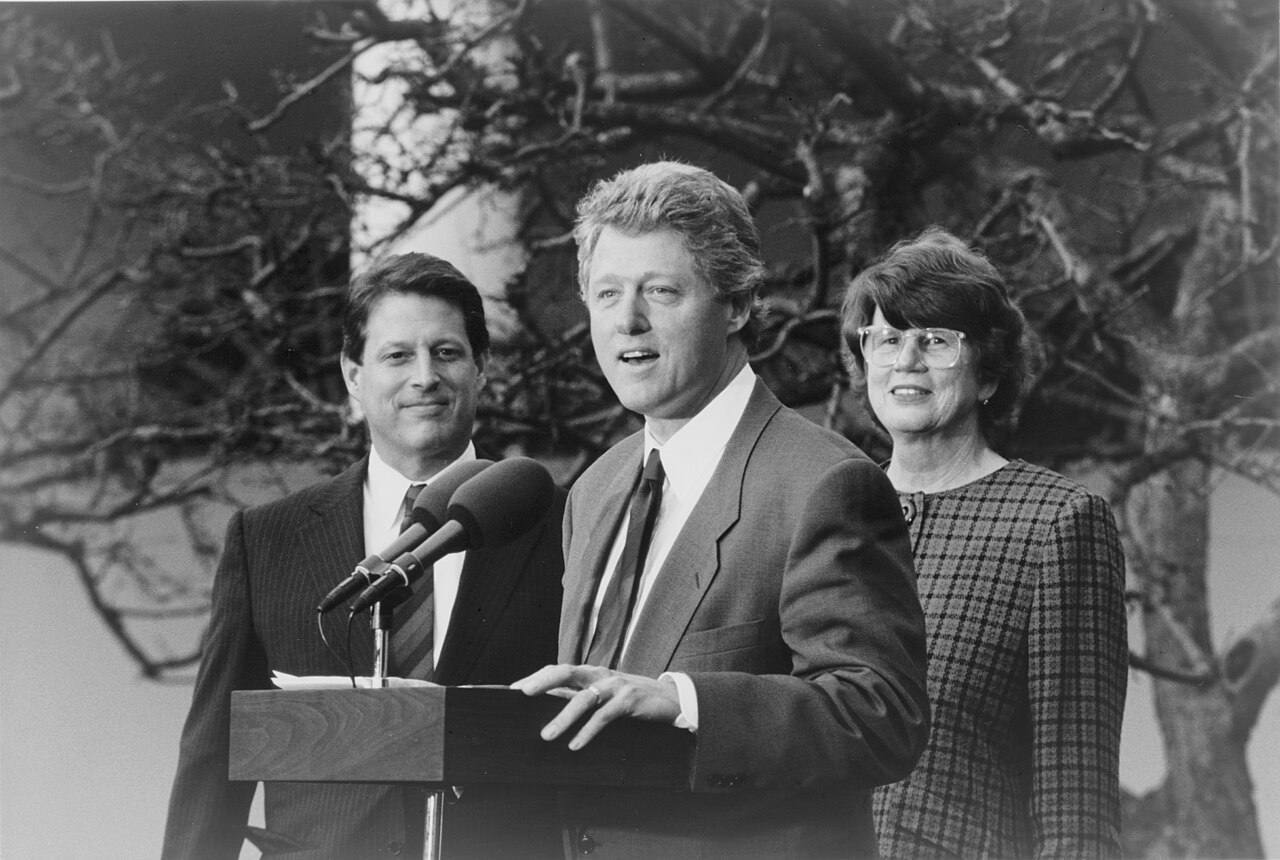
"The budget is not just about numbers; it's about the values we prioritize as a nation."
The Democratic Dilemma
For the Democrats, the challenge lies not only in defending existing programs but also in navigating the complexities of the budgetary process. The party's leadership is caught in a bind: they must advocate for programs that serve the most vulnerable while also responding to the growing chorus of fiscal conservatives who call for austerity. This has led to a series of half-measures and compromises that often please no one. The Democrats risk alienating their base if they appear too willing to capitulate to Republican demands.
The Republican Rhetoric
On the other side of the aisle, the Republicans have been equally culpable in the current deadlock. Their rhetoric has been laced with a moralistic tone that paints government spending as a vice rather than a necessary component of a functioning society. The push for tax cuts and spending reductions seems to ignore the fact that many government services are lifelines for millions of Americans. In a bid to showcase their commitment to fiscal responsibility, they have often failed to articulate the broader implications of their proposed cuts.
The Media’s Role
Complicating matters further is the media's role in this standoff. The focus has been primarily on the political theater - the dueling press conferences, the dramatic speeches, and the fiery debates. But where is the analysis of the underlying processes that have led us here? The budget is not just a number; it is a reflection of the nation's priorities. The media must not only cover the drama but also delve into the mechanics of how budgets are formed, amended, and passed.
Moving Forward
As the standoff continues, it is vital for both parties to recognize that the country is not merely a battleground for ideological wars. Instead, it is a community of individuals who are impacted by these decisions. The failure to reach a consensus will not only affect government operations but could also have lasting repercussions on the lives of ordinary Americans.
The procedural aspects of the budget may not make for riveting headlines, but they deserve attention. It is time for both sides to engage in a more substantive dialogue about the values that are reflected in the budget, rather than merely engaging in a battle of wills. The American people deserve better than a political stalemate; they deserve a thoughtful, inclusive process that prioritizes the common good.
✦ ✦ ✦