From the file. Written for the paper dated November 1996. Opened in the public stacks July 14, 2026.
As the budget standoff continues to capture the attention of the media and the public, it is essential to examine the often-overlooked mechanisms that fuel this political drama.
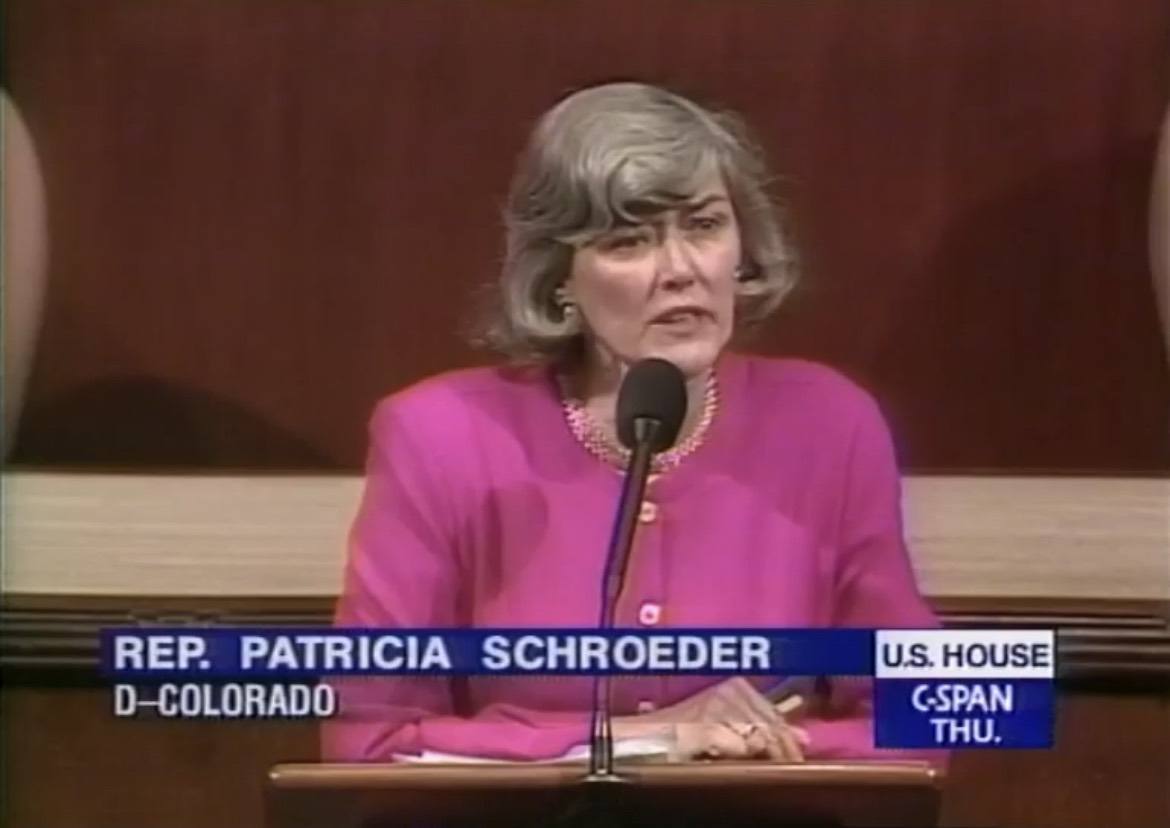
The Political Theater of the Budget Standoff
The current budget standoff in Washington, D.C. has become a spectacle of partisan bickering, with each side leveraging the situation to rally their base. The Republicans, emboldened by their recent electoral victories, are determined to push through a budget that reflects their commitment to fiscal conservatism. Meanwhile, Democrats are equally insistent on preserving social programs that they argue are vital for the nation’s most vulnerable populations. Both sides are guilty of turning a complex and often tedious process into a theatrical performance that does little to resolve the underlying issues.
The Mechanism Behind the Noise
At its core, the budget process is a technical and intricate affair. It involves numerous committees, subcommittees, and negotiations that can stretch over months, if not years. Yet, what we see played out in the media is a simplified version of this reality, dominated by sound bites and dramatic headlines. The public is left to absorb a narrative that often fails to capture the true nature of the budgetary process.

"Both sides are guilty of turning a complex and often tedious process into a theatrical performance."
The budget itself is not merely a document outlining expenditures; it is a reflection of our national priorities. It is shaped by economic forecasts, demographic trends, and policy objectives that require careful consideration. Yet, the focus on partisan conflict overshadows these important discussions, leading to a disservice to the American people who deserve a comprehensive understanding of how their tax dollars are spent.
The Role of Media in the Budget Standoff
In this environment, the media plays a crucial role. Coverage often emphasizes conflict over consensus, leaving little room for nuanced discussions about the implications of budgetary decisions. While it is the media's responsibility to hold lawmakers accountable, the relentless pursuit of sensationalism can distort the public's perception of the issues at stake.
For example, when a government shutdown looms, the focus becomes less about the potential impacts on federal workers and more about the political ramifications for the parties involved. This shift in emphasis contributes to a climate where constructive dialogue is rendered nearly impossible. Instead of working toward a compromise, lawmakers may feel pressured to adhere strictly to their party lines, fearing backlash from their constituents.
Excesses on Both Sides
The current landscape reveals excesses from both the left and the right. On one hand, Democrats are accused of being overly reliant on government programs, advocating for spending that some argue is unsustainable. On the other hand, Republicans risk alienating critical voter blocs by championing cuts that could threaten essential services. This tug-of-war not only complicates the budget process but also reflects a broader unwillingness to engage in genuine compromise.
It is vital for both parties to recognize that the budget is not merely a battleground for political warfare. The outcomes of these negotiations have real-life consequences for millions of Americans. As the standoff continues, the drive toward compromise must take precedence over political grandstanding.
Finding Common Ground
As we navigate this tumultuous period, there remains a glimmer of hope for bipartisanship. History has shown that even the fiercest of rivals can come together in times of need. The pressing challenges of education, healthcare, and infrastructure require thoughtful investment and collaboration, not divisive rhetoric. Lawmakers must prioritize dialogue over discord, working to build a budget that reflects the diverse needs of the American populace.
The path forward may not be easy, but it is necessary. The budget process is an opportunity to align our resources with our values, and it is incumbent upon our leaders to rise above the fray. By focusing on the mechanisms that drive the budget process rather than the noise that surrounds it, we can foster a healthier political climate rooted in understanding and cooperation.
The Bottom Line
In conclusion, the budget standoff serves as a reminder of the need for a more informed and engaged citizenry. As voters, we must demand that our representatives rise to the occasion, setting aside partisanship for the sake of progress. The mechanisms of budgeting may be tedious, but they are essential to our democracy. Engaging with these complexities can empower us to advocate for a budget that truly reflects the needs of our nation.
✦ ✦ ✦