From the file. Written for the paper dated October 1996. Opened in the public stacks July 14, 2026.
As the political landscape shifts like sand underfoot, the recent wave of cabinet resignations raises questions about the stability of the administration and the motivations behind these departures. With news cycles as fleeting as a whisper, we are left to sift through the fragments of evidence that remain.
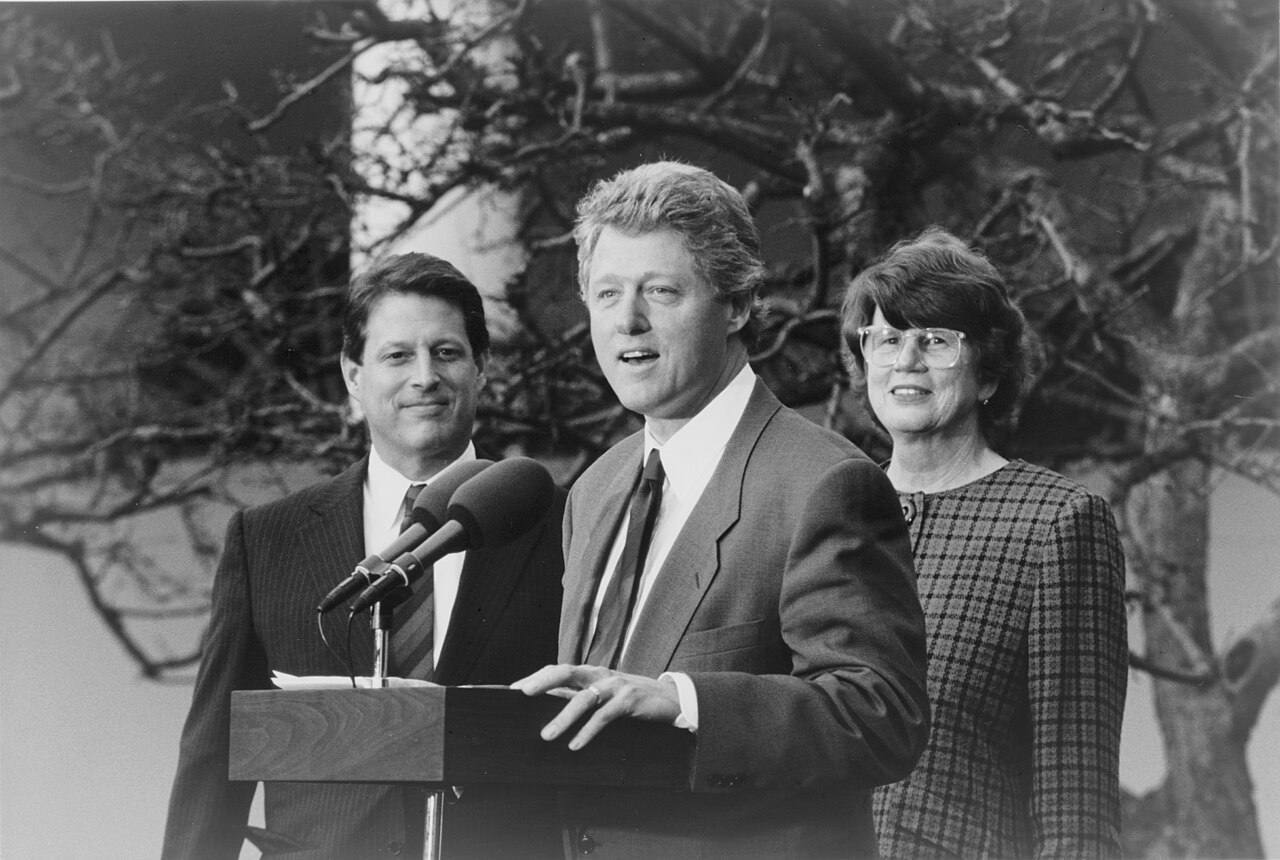
Resignations and Implications
The past few weeks have seen an unsettling trend in the upper echelons of government - high-profile resignations that have sent shockwaves through the political arena. Each departure comes with its own set of narratives, often overshadowed by the media's relentless pursuit of scandal. However, it is essential to peel back the layers of sensationalism and examine the core issues that may be prompting these resignations.
"In politics, timing is everything, and the timing of these resignations suggests a deeper malaise."
Among those who have chosen to resign recently are key members of the Cabinet, prompting speculation about whether these individuals are fleeing a sinking ship or if they are making a principled stand against a direction they can no longer support. The contrast between those who depart in the wake of controversy and those who take a stand for principle presents a complex picture of political identity.
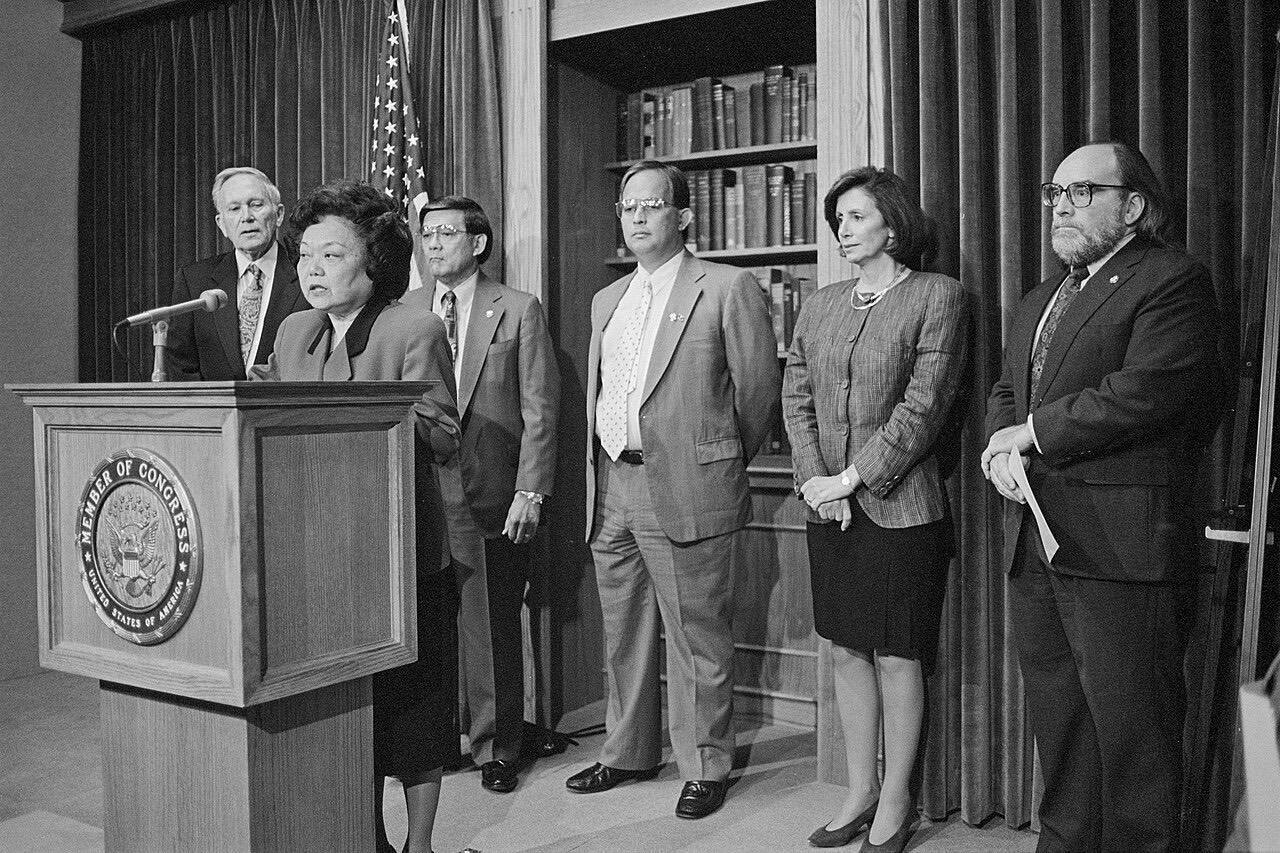
On one side, we have those who argue that the resignations signify a loss of faith in the administration’s agenda. Critics from the left have seized on these departures, suggesting they reflect a lack of coherent vision and leadership. They argue that the administration has strayed too far from its original promises of reform and progress, leaving key players disenchanted.
On the other hand, members of the right have taken a different perspective, framing the resignations as evidence of a chaotic and ineffective government. They argue that the administration’s policies have led to discord within its ranks, highlighting a lack of unity and purpose. This perspective often leans heavily into character attacks and conspiracy theories, which only serve to distract from the substantive discussions we ought to be having.
The Media's Role
In the midst of this turmoil, the media has played an undeniable role in shaping public perception. The emphasis on scandal and drama often overshadows the important policy discussions that these resignations should prompt. When cabinet members leave, it should signal an opportunity for reflection and reassessment of policies, yet it frequently devolves into a circus of speculation and blame.
As journalists, we have a responsibility to rise above the fray and focus on the evidence before identity. The motivations behind these resignations must be explored with a critical lens, rather than merely accepting the narratives constructed by partisan sources. Are these resignations truly a sign of disarray, or do they represent a re-evaluation of what it means to serve in this administration?
The Public's Perception
As the American public consumes this stream of information, it becomes crucial to question what we are being fed. Are we merely passive recipients of narratives crafted by those with their own agendas? The polarization of our media landscape has left many feeling disillusioned, as the truth becomes obscured by the competing interests of the left and right.
While the left decries the administration’s failure to uphold its promises, the right uses these resignations to bolster their claims of incompetence. This back-and-forth often leaves the average citizen in a state of confusion, unsure of what to believe or where to align themselves. It is a disservice to our democracy, where informed citizenship should be rooted in evidence, not the whims of partisan drama.
Looking Forward
As we navigate this uncertain terrain, it is vital for both journalists and citizens to demand accountability and clarity from our leaders. The current climate of discontent is not merely a reflection of the individuals who resign; it is indicative of a larger systemic issue that must be addressed. If the administration wishes to maintain credibility, it must engage in an honest dialogue about its failures and successes.
In conclusion, while the headlines may fade and the news cycle may move on, the implications of these resignations will linger. It is our duty to ensure that the discussions continue beyond the sensationalism, focusing instead on the evidence before identity. Only then can we hope to build a more informed and engaged electorate, capable of holding our leaders accountable.
✦ ✦ ✦