From the file. Written for the paper dated August 1996. Opened in the public stacks July 14, 2026.
As the summer months heat up and storms begin to brew, the intricate world of weather modeling becomes both a scientific marvel and a battleground for institutional credibility.
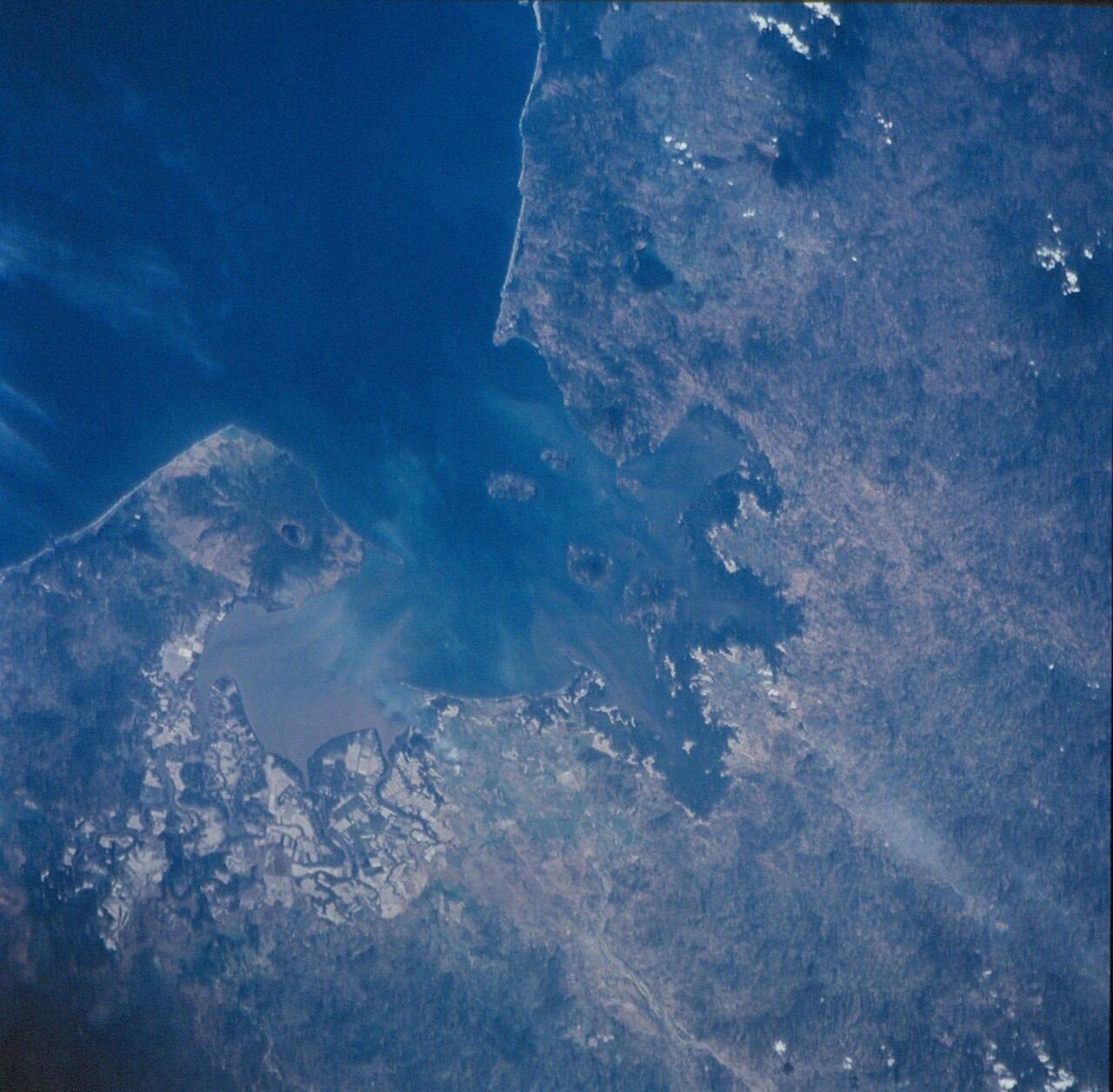
Understanding the Models
Weather models are complex systems that use mathematical equations to simulate the atmosphere and predict future weather patterns. These models rely on a plethora of data points, collected from ground stations, satellites, and buoys, to forecast conditions ranging from sunny days to catastrophic storms. However, with the predictive power of these models comes the weight of responsibility. Institutions that produce these forecasts walk a tightrope of public expectation and scientific uncertainty.
The Role of Institutions
Institutions like the National Oceanic and Atmospheric Administration (NOAA) and various private weather services are at the forefront of weather prediction. They employ teams of meteorologists and researchers who work tirelessly to refine models and increase their accuracy. Yet, amidst these efforts, there lies an intrinsic tendency for organizations to protect their reputations. As public reliance on weather forecasts grows, so does the scrutiny of these institutions.
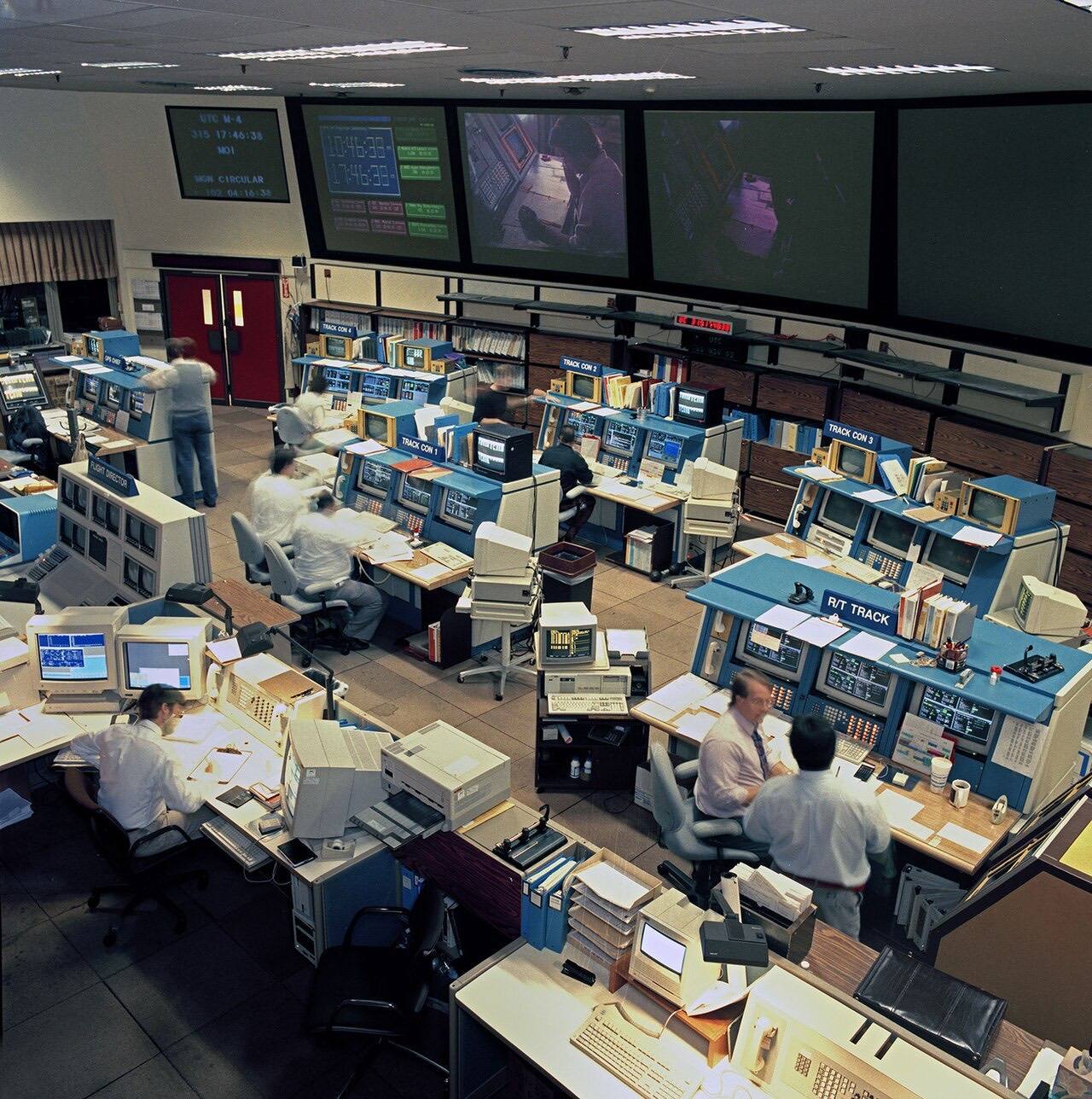
"Institutions are often more concerned about their credibility than the accuracy of their models."
When a forecast goes awry, the immediate blame often falls on the models themselves. However, the reality is that weather prediction is inherently uncertain. Conditions can shift rapidly, rendering even the most sophisticated models ineffective. Institutions, in their quest to maintain credibility, may sometimes downplay the uncertainty involved in forecasts, leading to a public perception that the science is more precise than it truly is.
Political Pressures and Public Perception
On both ends of the political spectrum, there exists a tendency to politicize weather phenomena. On one side, some argue that climate change is an urgent crisis, pushing for immediate action based on predictive models that suggest dire future consequences. On the other hand, skeptics may dismiss warnings as overreactions, undermining the very science that institutions are striving to promote.
This polarization can distort public understanding of weather events and the science behind them. The left may advocate for drastic policy changes based on the latest predictions, while the right may resist these calls, citing uncertainties in models as a basis for inaction. This tug-of-war distracts from the fundamental truth: weather models are tools that help us understand probabilities, not certainties.
The Impact of Overconfidence
When institutions project confidence in their forecasts, they risk alienating segments of the public when predictions fail. For instance, if a major storm is predicted but fails to materialize, the disillusionment can lead to a loss of trust in not only the model but also the institution behind it. This backlash is not merely a matter of perception; it can have real-world consequences, as people may become less likely to heed warnings in the future.
Striking a Balance
To navigate this quagmire, institutions must strive for transparency in their methodologies and predictions. Acknowledging the limits of current models and emphasizing the probabilistic nature of weather forecasting can help manage public expectations. By fostering a culture of open communication and education, institutions can build resilience against the inevitable criticisms that follow inaccurate forecasts.
Furthermore, collaboration among institutions can amplify efforts to improve model accuracy. Sharing data, methodologies, and best practices can lead to advancements that benefit the entire field of meteorology, ultimately leading to better forecasts and a more informed public.
Conclusion
The world of weather modeling is not merely a scientific endeavor; it is a complex interplay of data, public perception, and institutional responsibility. As society increasingly relies on these forecasts to navigate both daily life and critical decisions, the stakes become ever higher. Institutions must balance the drive for credibility with the need for transparency and education, ensuring that the public understands the intricacies and uncertainties of weather prediction.
✦ ✦ ✦