From the file. Written for the paper dated August 1996. Opened in the public stacks July 14, 2026.
As the spotlight on public health initiatives shifts, the role of public clinics in our communities often fades into the background. However, beneath the surface lies a complex web of operations that raises questions about accountability and transparency.
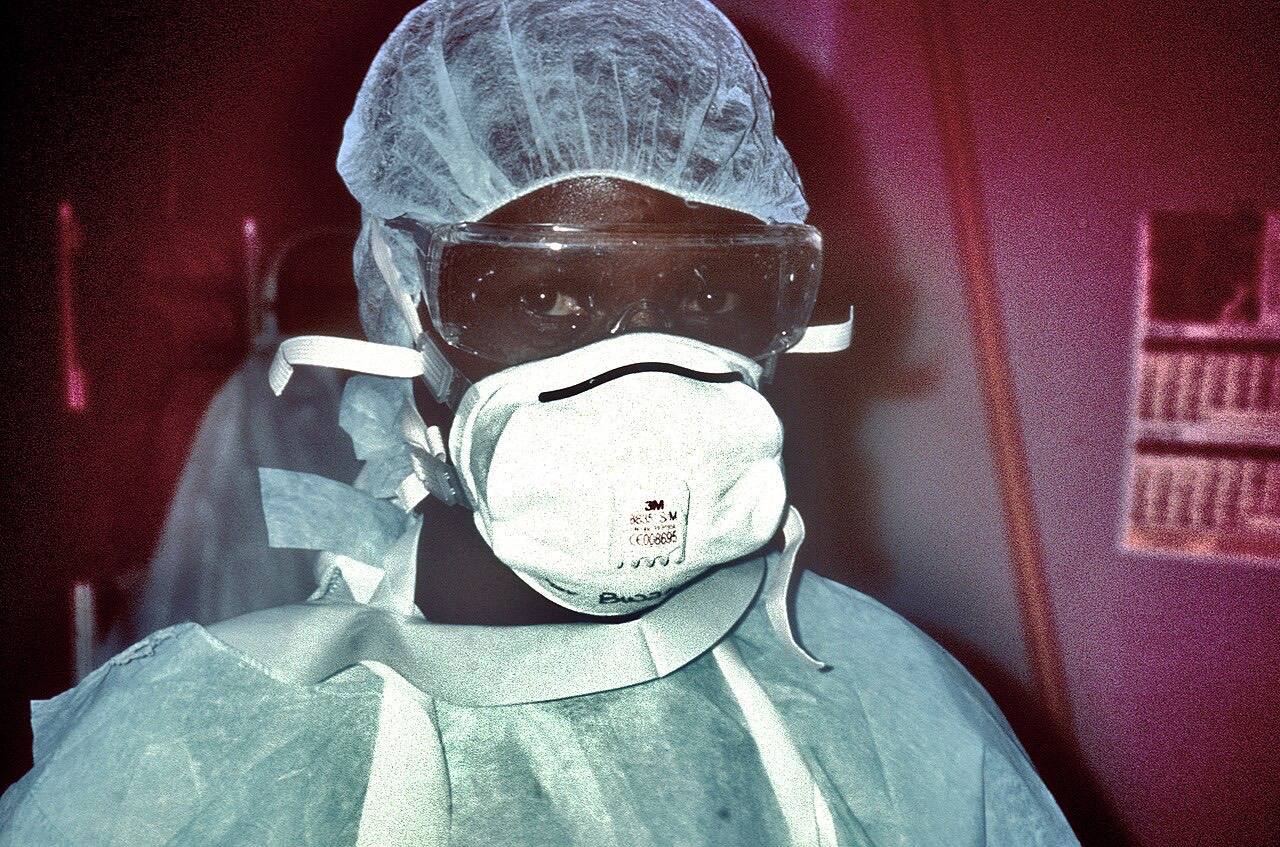
Public Clinics: A Necessary Resource
Public clinics serve as essential pillars in the healthcare landscape, providing services to those who often fall through the cracks of the private healthcare system. They are vital for low-income families, the uninsured, and those requiring preventive care. Yet, as funding fluctuates and political attention wanes, these institutions can become protective fortresses, more focused on self-preservation than on community service.
“Public clinics should be a safe haven for health, not a battleground for bureaucracy.”
Funding and Accountability
In recent months, fiscal debates have erupted between the right and left regarding healthcare spending. The right calls for tighter budgets and reduced government intervention, while the left argues for increased funding and universal healthcare access. Both extremes, however, overlook the need for practical solutions that prioritize the actual needs of clinics and their patients.
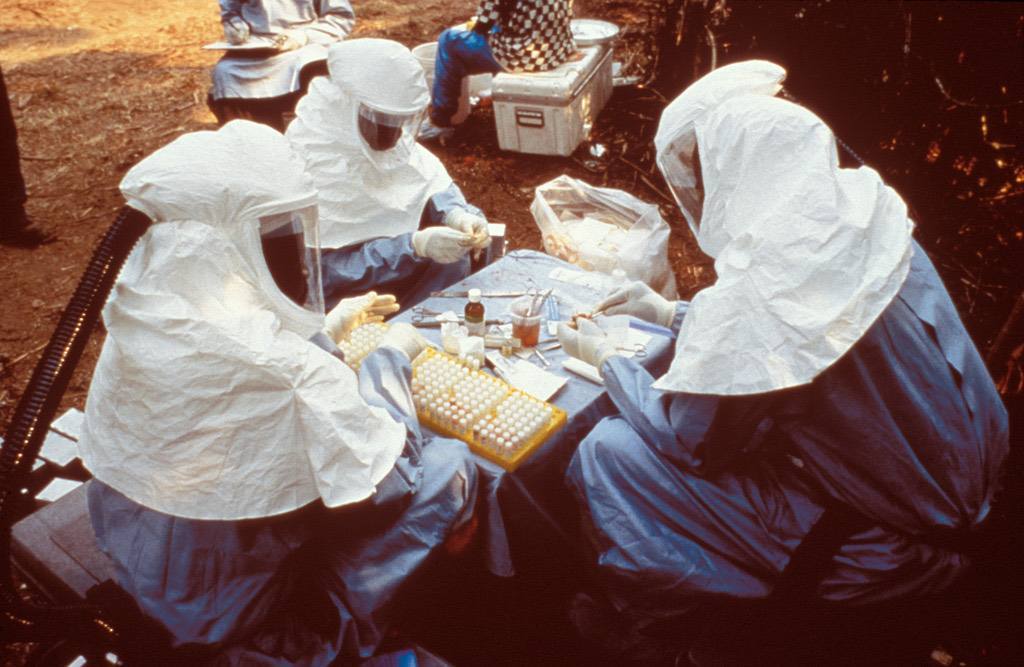
The reality is that public clinics often find themselves entangled in bureaucratic red tape, struggling to maintain their services while navigating a maze of regulations. This situation can lead to a defensive posture where clinics prioritize their survival over innovative care. They may become more focused on how to secure funding and avoid scrutiny than on improving patient outcomes.
The Impact of Political Extremes
Leftist demands for expansive healthcare reforms can sometimes oversimplify the challenges faced by public clinics. While the call for universal health coverage resonates with many, it can inadvertently place additional pressure on clinics that are already stretched thin. The expectation that they should serve all without additional resources can lead to burnout among staff and compromised care for patients.
Conversely, the right's push for privatization and reduced government spending can undermine the very foundation of public clinics. When funding is cut, they are left with fewer resources to operate effectively. This not only threatens their viability but also jeopardizes the health of the communities they serve. The consequences of these political extremes can be catastrophic, leading to closures and diminishing access to essential services.
Protecting the Institution
As public clinics navigate these turbulent waters, their instinct for self-preservation can result in a culture of secrecy. Institutions may be reluctant to share data about patient outcomes or operational challenges for fear of losing funding or facing public backlash. In this environment, transparency becomes a casualty - a troubling reality when trust is paramount in healthcare.
Moreover, the pressure to maintain a positive public image can lead clinics to prioritize certain metrics over holistic patient care. For example, they may focus on increasing patient numbers rather than addressing the quality of care provided. This shift can create a false sense of success while neglecting the core mission of improving community health.
The Way Forward
To break this cycle, there needs to be a concerted effort from both sides of the political spectrum. The left must recognize that funding alone is not a panacea; it must be coupled with strategies that enhance accountability and quality of care. Meanwhile, the right should acknowledge the necessity of public clinics and the vital role they play in the overall health of society.
Collaboration between policy-makers, healthcare providers, and community members is essential. This partnership can foster an environment where public clinics are not just surviving but thriving, ensuring that they can meet the needs of the populations they serve. By prioritizing transparency and a focus on patient outcomes, public clinics can reclaim their role as trusted healthcare providers.
Conclusion
In the end, public clinics are more than just institutions; they are lifelines for many individuals and families. It is crucial to address the political extremes that threaten their existence, ensuring that these facilities can operate transparently and effectively. As the headlines fade, let us not forget the importance of these clinics and the communities that depend on them.
✦ ✦ ✦