From the file. Written for the paper dated August 1996. Opened in the public stacks July 14, 2026.
As the headlines fade from the 24-hour news cycle, the implications of a judiciary vacancy linger, highlighting a crucial moment for our nation's institutions and their ability to safeguard democratic principles.

Judicial Power and Institutional Integrity
The recent announcement of a vacancy on the Supreme Court has sent ripples through both the political landscape and legal community, reigniting age-old debates about judicial appointments. With the nation poised for a potential political showdown, the way in which institutions navigate this vacancy will reveal much about their commitment to impartiality and the rule of law.
On one hand, the right has been quick to advocate for the appointment of a strict constitutionalist, aiming to reshape the Court's ideological balance. This push, while consistent with their principles, risks politicizing the judiciary further. The danger here is clear; a Supreme Court that acts as an extension of partisan interests undermines its foundational role as an arbiter of justice. The right must tread carefully, lest they fracture the public's trust in an institution meant to stand above the fray.
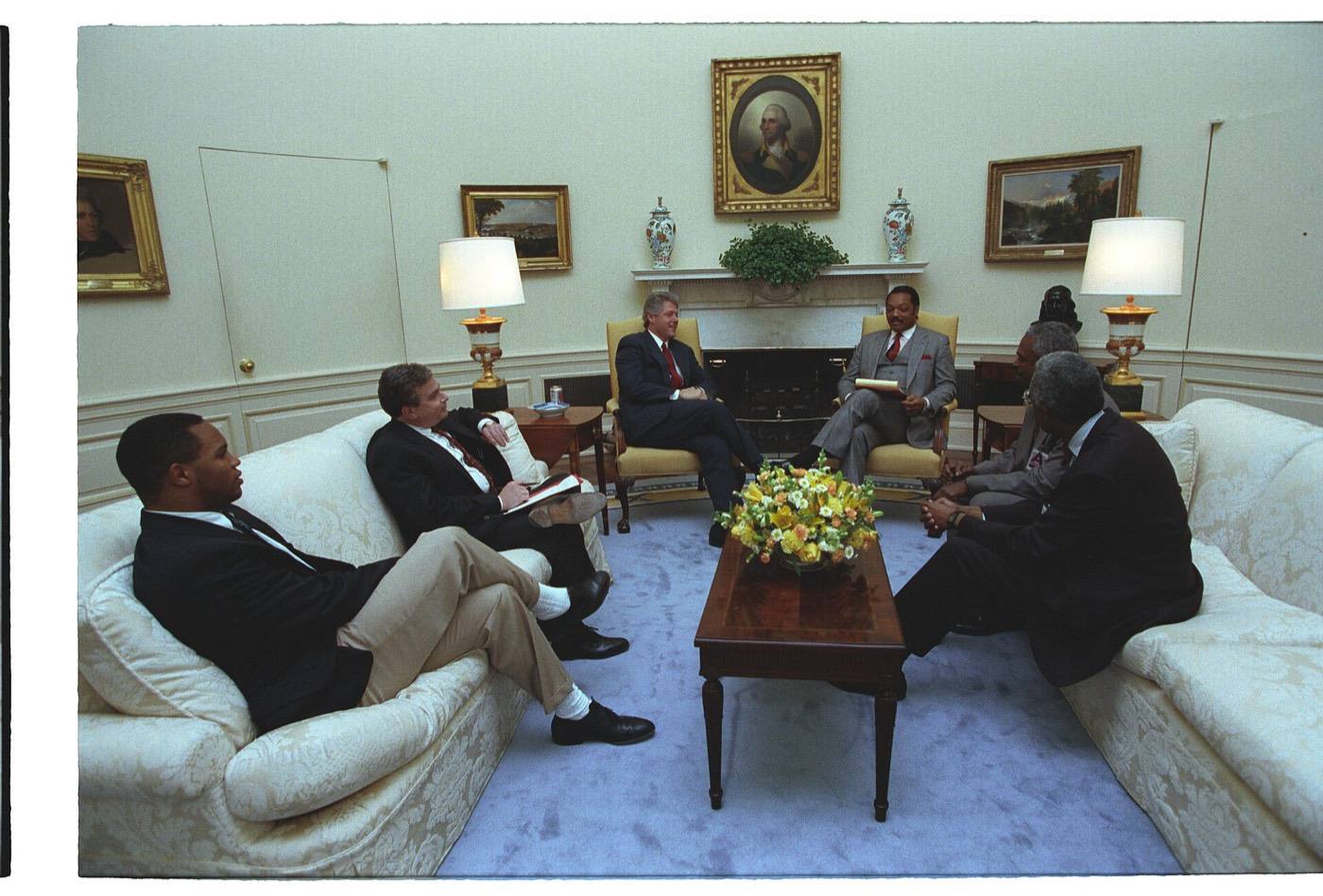
Conversely, the left has been vocal about the need for a nominee who embodies progressive values, advocating for a candidate who would protect civil liberties and social justice. While the intention is commendable, the left's fervor can lead to a myopic view of the judiciary as a vehicle for advancing political agendas. This excess can alienate moderates and conservatives who might otherwise support a thoughtful dialogue about judicial philosophy. The left must remember that a judiciary that reflects only one side of the political spectrum is a threat to democracy itself.
"A Supreme Court that acts as an extension of partisan interests undermines its foundational role as an arbiter of justice."
The Role of Public Opinion
Public opinion will undoubtedly play a role in shaping the dialogue surrounding the vacancy. Both parties are acutely aware that the American electorate is watching closely, especially as the upcoming elections loom on the horizon. The tendency to mobilize voters based on judicial nominations, however, can lead to a toxic environment where the judiciary is weaponized in campaign rhetoric.
In this climate, it is essential that both sides resist the urge to exploit this vacancy for political gain. Instead, they should focus on the ideals of judicial independence and integrity. The stakes are high; a rushed or overly partisan nomination process could lead to long-term repercussions on the Court's legitimacy and its ability to function as an impartial arbiter.
Institutional Safeguards
Fortunately, the American system of checks and balances provides some safeguards against the excesses of political maneuvering. The Senate confirmation process, while often contentious, serves as a crucial barrier to prevent any one party from monopolizing the judiciary. It is a reminder that the appointment of judges is not merely a political exercise but a sacred trust with the American people.
Moreover, the judicial branch itself has a vested interest in maintaining its legitimacy. Judges serve lifetime appointments and are acutely aware that their decisions can have far-reaching consequences. This understanding fosters a culture of caution and deliberation, where the rule of law prevails over personal or partisan beliefs. Therefore, even amidst the tumult of political pressures, there is hope that the judiciary will remain a bulwark against extremism from both sides.
Looking Forward
As we navigate this pivotal moment, it is crucial that we advocate for a judicial appointment process grounded in merit rather than ideology. The next nominee should be someone who commands respect across the political spectrum, someone capable of bridging divides rather than deepening them. This is not an easy task, but it is essential for the preservation of a just and equitable legal system.
In the coming weeks, as the political theater unfolds, both sides must remember that the judiciary is not a prize to be won, but an institution that must earn the public's trust through its actions and decisions. The vacancy represents an opportunity for growth and reflection, a chance for both parties to recommit to the principles that uphold our democracy.
✦ ✦ ✦