From the file. Written for the paper dated June 1996. Opened in the public stacks July 14, 2026.
As the dust settles from the latest primary elections, a closer examination reveals that much more is at stake than the fleeting headlines suggest. The primary calendar, a crucial element in determining the direction of our nation's political landscape, often gets reduced to mere numbers and dates in briefings. However, what lies beneath the surface is a complex interplay of strategy, grassroots organization, and often forgotten voices.

The Primary Calendar: More Than Just Dates
The primary calendar for the 1996 election season has been a whirlwind of activity, with states jockeying for position and candidates scrambling to solidify their bases. Yet, the focus on early wins and delegate counts often overshadows the underlying narratives that shape these races. From the candidates' platforms to the issues that matter most to voters, there is a wealth of information that goes unnoticed amid the charts and graphs.
One critical aspect that is frequently overlooked is the role of local issues in shaping voter sentiment. In their quest for national attention, many candidates tend to prioritize broad, sweeping themes that resonate on a larger scale. However, the nuances of local concerns - such as education funding, healthcare access, and job creation - deserve equal footing in the conversation. Voters are not merely pawns in a delegate chess game; they are individuals with unique challenges and aspirations.
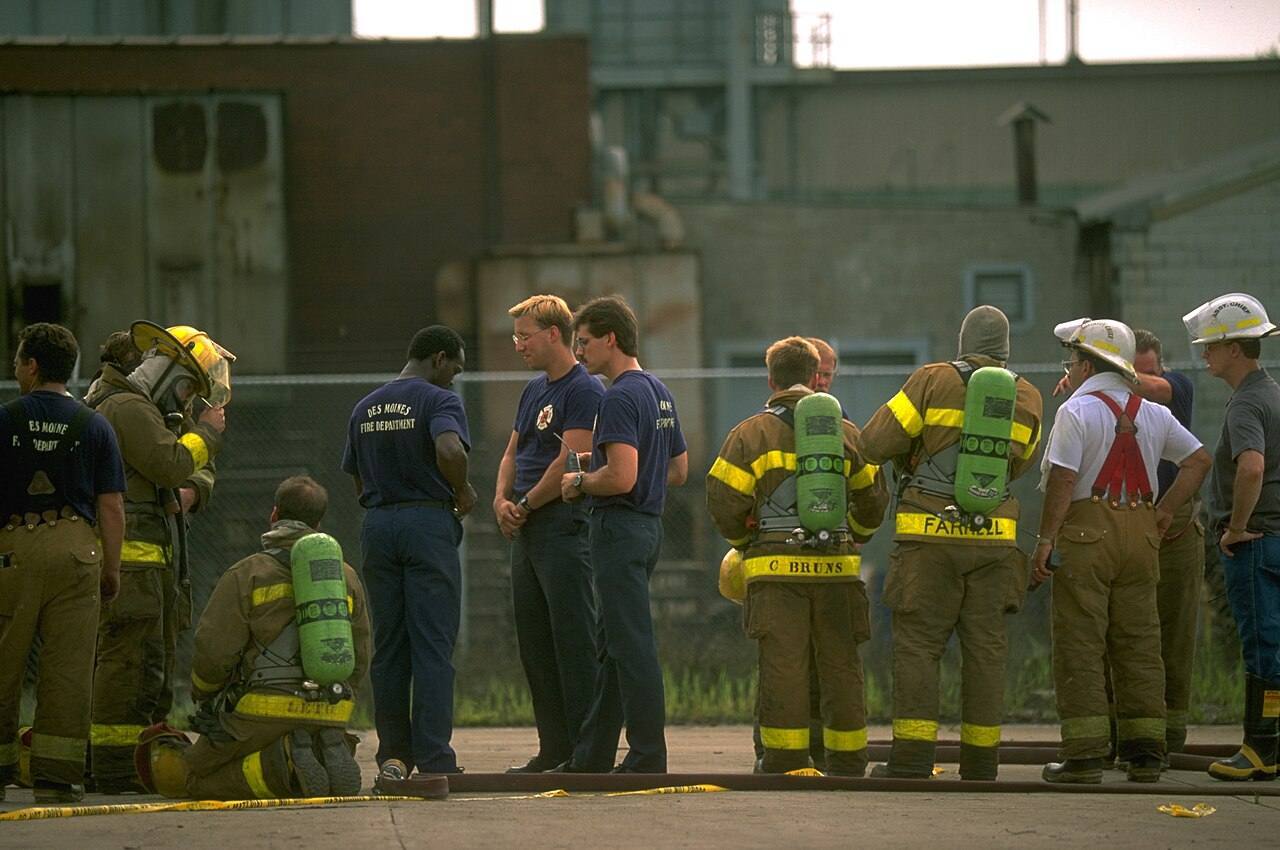
"The nuances of local concerns deserve equal footing in the conversation."
Ignoring the Grassroots
Furthermore, the emphasis on fundraising and media coverage can drown out the voices of grassroots activists who are often the backbone of political campaigns. These individuals work tirelessly to mobilize communities, educate voters, and advocate for issues that may not make the evening news. Yet, their contributions are often dismissed as insignificant in the face of high-profile endorsements and national media attention.
Candidates who fail to engage with grassroots movements risk alienating potential supporters. It is crucial for candidates to recognize that their success hinges not just on the financial backing of party elites but also on the enthusiasm and dedication of ordinary citizens. A successful campaign must be a collaboration between the candidate and the constituency, not a top-down approach dictated by the party establishment.
The Extremes of Left and Right
As we navigate through the primary season, it is essential to address the extremes that have emerged on both sides of the political spectrum. The far-left, with its calls for radical social change, risks alienating moderate voters who may be seeking pragmatic solutions rather than sweeping reforms. Meanwhile, the far-right's focus on polarizing issues often oversimplifies complex problems and fosters division rather than unity.
Both extremes have garnered attention, but they often do so at the expense of constructive discourse. The result is a political climate where compromise and collaboration are cast aside in favor of ideological purity. This trend not only stifles innovation but also creates a chasm between political leaders and the constituents they purport to represent.
The Need for Nuance
For candidates to truly resonate with voters, they must address the full spectrum of issues facing their constituents. This approach requires a commitment to understanding the complexities of the political landscape, rather than relying on oversimplified narratives that cater to the extremes. It is imperative for candidates to craft messages that reflect the diverse experiences and concerns of the electorate.
Moreover, as we approach the general election, it is vital for the media to shift its focus from sensationalism to substance. Coverage should highlight the stories of everyday Americans, the impact of policies on their lives, and the importance of inclusive dialogue. As journalists, we have a responsibility to elevate these conversations and hold candidates accountable for their commitments to the public.
Looking Ahead
As the primary calendar continues to play out, it is essential for both candidates and voters to remain engaged in the process. The stakes are incredibly high, and the choices made in these early elections will reverberate throughout the nation. It is not enough to simply follow the headlines; we must delve deeper into the underlying issues that shape our political discourse.
In a time of increasing polarization, the need for thoughtful, nuanced conversations has never been more pressing. It is our collective responsibility to ensure that the voices of all citizens are heard and that the political process remains accessible and representative of the diverse fabric of our society.
✦ ✦ ✦