From the file. Written for the paper dated May 1996. Opened in the public stacks July 14, 2026.
In an era where food safety is paramount, the recent spate of food safety recalls has sparked debates on both sides of the political aisle. But amid the sensational headlines and partisan finger-pointing, what do the numbers actually reveal about our food systems?

Understanding the Recall Landscape
In May 1996, the U.S. food industry has been rocked by a series of high-profile recalls. These recalls have involved everything from contaminated meats to unsafe vegetables. Public concern has surged, bringing attention to the effectiveness of our food safety systems. As we sift through the clamor, it is crucial to look beyond the immediate panic and examine the statistics that inform these recalls.
In 1995 alone, there were over 200 food recalls reported by the U.S. Food and Drug Administration (FDA). While this number may seem alarming, it is vital to contextualize it within the vast scale of food production in the United States. With billions of meals consumed annually, the relatively small number of recalls highlights both the system's successes and its vulnerabilities.
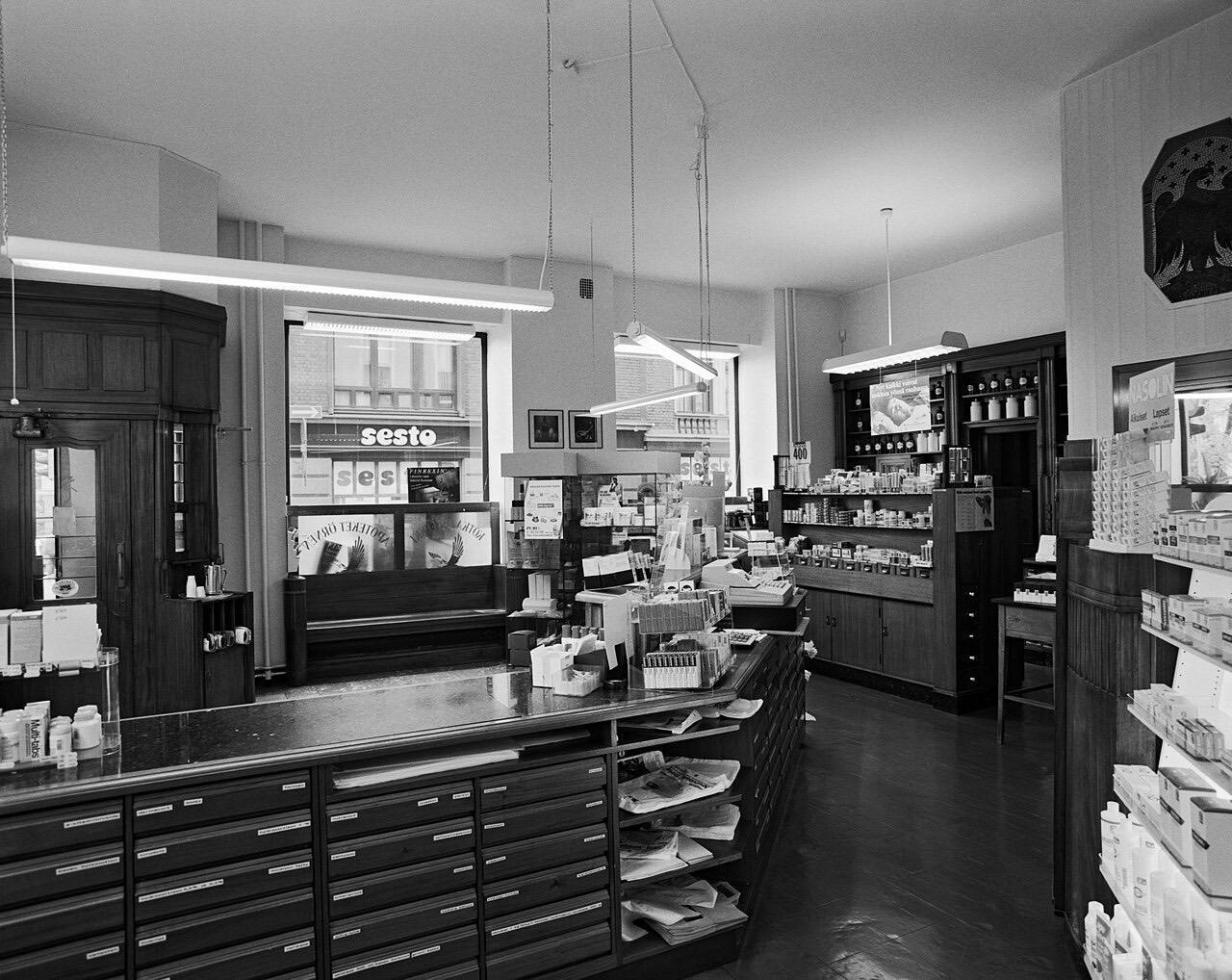
"The numbers tell a story of progress but also underline areas where vigilance is necessary."
Political Responses: A Divided Approach
The political ramifications of food safety recalls have ignited a fierce debate. On one side, conservatives argue that excessive regulations stifle the food industry, leading to increased costs and potential shortages. They advocate for a more laissez-faire approach, suggesting that market forces can self-regulate food safety more effectively than government oversight.
Conversely, the left has pushed for stricter regulations and increased funding for food safety initiatives. They argue that the government must play a proactive role in ensuring the safety of our food supply, especially in light of recent recalls. This has led to calls for measures such as mandatory labeling and heightened inspection protocols.
Both sides of the debate seem to overlook a crucial point: the need for a balanced approach that acknowledges the complexities of food production and safety without resorting to extremes. While it is true that some regulations may be burdensome, completely deregulating food production could lead to catastrophic consequences.
The Role of Consumers
Amidst the push and pull of political rhetoric, consumers also play a vital role in the food safety equation. Increased awareness and education about safe food handling practices can significantly reduce the risk of foodborne illnesses. The numbers indicate that a significant portion of food safety issues arises from improper handling rather than just contaminated products.
Ironically, as recalls become more publicized, consumers may grow increasingly anxious about their food choices, potentially leading to overreactions. Some may begin to avoid certain foods altogether, even when recalls are isolated incidents. This fear can result in economic repercussions for farmers and producers, further complicating the landscape.
Moving Forward: A Collaborative Effort
To address the food safety concerns head-on, a more collaborative effort is necessary. This includes not only government agencies and the food industry but also consumers and advocacy groups. By fostering communication and transparency, all parties can work together to create a safer food environment.
Moreover, investing in research and technology can aid in identifying potential hazards before they lead to recalls. Advancements in food testing methods and tracking systems can make it easier to pinpoint contamination sources, thus minimizing the impact on consumers and producers alike.
As we navigate the ongoing discussions about food safety, it’s imperative to remember the numbers tell a story of progress but also underline areas where vigilance is necessary. The challenge lies in finding a middle ground that incorporates the best of both political perspectives while prioritizing the health and safety of the public.
Conclusion
In conclusion, the current food safety landscape is a complex interplay of statistics, politics, and consumer behavior. As we continue to witness recalls, it is essential that we do not fall prey to knee-jerk reactions that could hinder progress. Instead, a balanced, informed approach is necessary to ensure that our food supply remains safe and reliable for all.
✦ ✦ ✦