From the file. Written for the paper dated May 1996. Opened in the public stacks July 14, 2026.
As the nation grapples with the implications of disaster declarations, a closer examination of the numbers reveals discrepancies that raise questions about the motivations behind these policies.
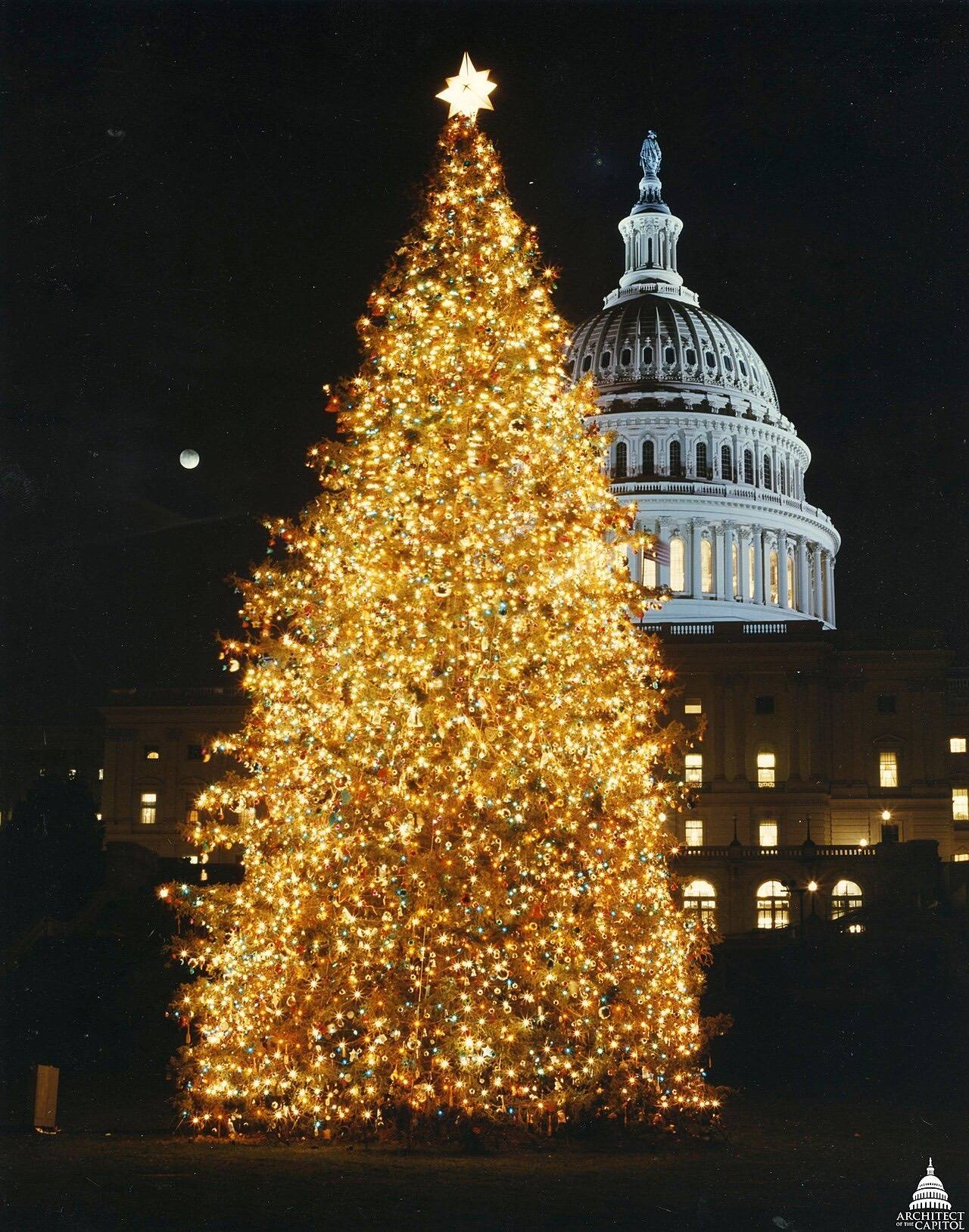
Disaster Declarations: A Bipartisan Concern
In recent years, disaster declarations have become a hot-button issue, drawing fire from both sides of the political aisle. The Clinton administration has been criticized for what some see as an overreach in declaring disasters in certain areas, while Republicans argue that the process is too lenient and opens the floodgates for abuse. As the debate rages on, it is essential to peel back the layers and assess what the numbers actually show.
Disaster declarations provide federal assistance to state and local governments in the wake of calamities, whether they be natural disasters like hurricanes and floods or man-made crises. However, the frequency and criteria for these declarations have sparked controversy. Are we witnessing genuine need, or are we witnessing an opportunistic grab for federal funds?
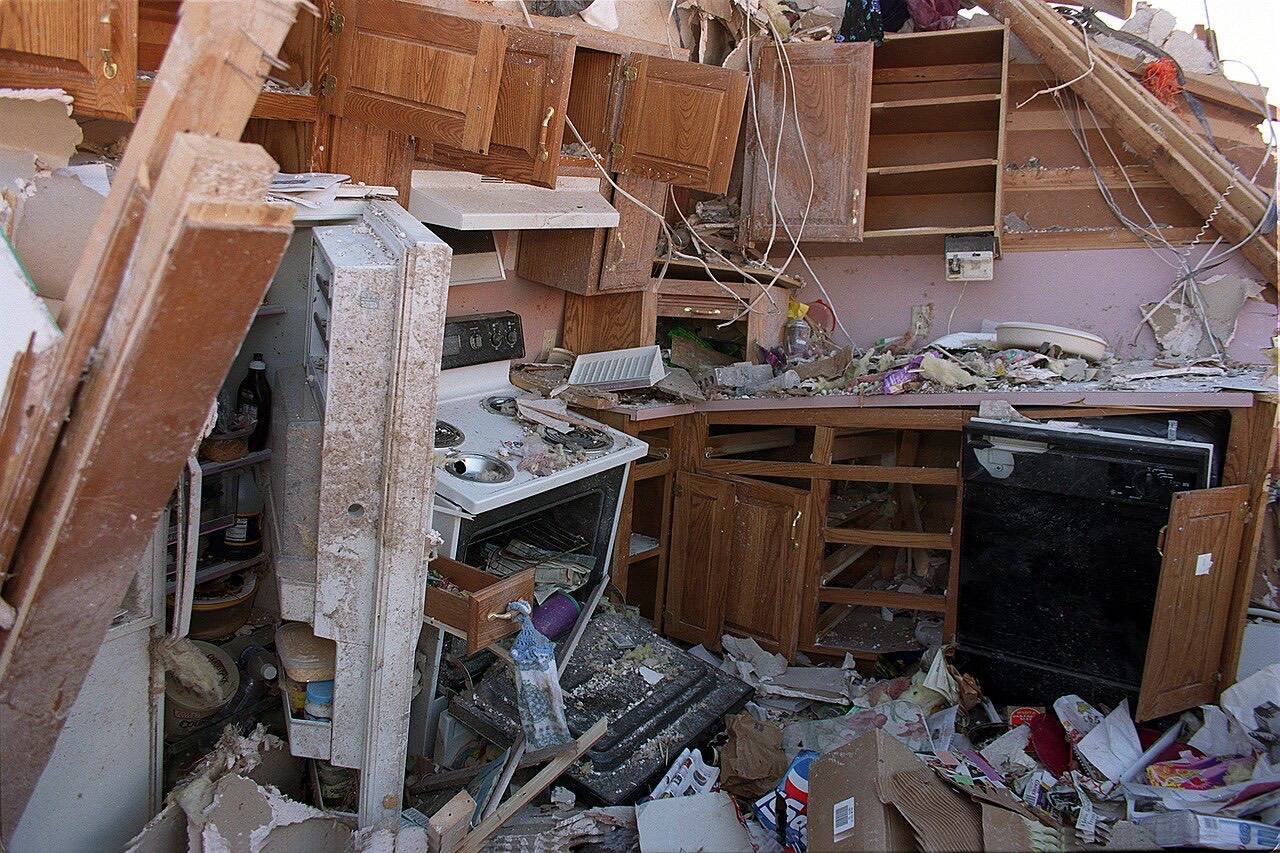
"The numbers tell a story, but it is not one that aligns neatly with the political narratives."
The Numbers Behind the Declarations
In 1995 alone, the Federal Emergency Management Agency (FEMA) issued over 90 disaster declarations. While this number might seem justified considering the myriad of disasters that struck the country, a deeper dive into the data shows that many declarations were made for relatively minor incidents. This raises a vital question: are we diluting the seriousness of true disasters by categorizing lesser incidents under the same umbrella?
Moreover, the geographical distribution of disaster declarations suggests that political considerations may play a role. States with a strong political alignment to the party in power seem to receive declarations more readily than others. Critics argue that this politicization undermines the integrity of the disaster declaration process and ultimately affects the allocation of federal resources.
A Call for Reform
As both sides of the aisle engage in finger-pointing, the real victims are those who genuinely need assistance. The current system, fraught with inconsistency, is in dire need of reform. It is critical to establish clearer criteria for disaster declarations that focus on the severity and impact of an event rather than its political ramifications.
The left has been quick to defend the current system, arguing that the safety net it provides is crucial for vulnerable communities. However, this often overlooks the larger implications of a system that may be prone to abuse. On the right, the push for stiffer regulations and stricter criteria sometimes veers into the territory of denying aid to those in desperate need, reflecting a lack of compassion in the face of human suffering.
"The safety net is essential, but we must ensure it is not abused."
Confronting the Realities
The question remains: how do we strike a balance? A measured approach could involve bipartisan cooperation to create a more transparent and accountable system for disaster declarations. This would not only ensure that resources are allocated where they are genuinely needed but also restore public faith in the government's ability to respond effectively to crises.
Both parties need to be willing to acknowledge their own excesses and biases. The left must recognize that a flood of declarations may undermine the very safety net they seek to protect, while the right must remember the human toll of denying aid to genuine victims. In a time when national unity is more critical than ever, we must come together to address this issue with a level of seriousness that transcends political squabbles.
The Future of Disaster Declarations
As we move forward, the reformation of the disaster declaration process should be a priority for lawmakers on both sides. The American public deserves a system that is fair, transparent, and rooted in genuine need. By prioritizing accountability and compassion, we can ensure that the resources intended for disaster relief reach those who need them most.
In this volatile political climate, let us not lose sight of the human element at the heart of disaster declarations. It is not merely a question of numbers or political gain; it is about the lives that hang in the balance. Only through collaborative and thoughtful action can we hope to create a system that serves all Americans equitably.
✦ ✦ ✦