From the file. Written for the paper dated February 1996. Opened in the public stacks July 14, 2026.
As the dust settles on the recent union elections, a troubling pattern of oversight and accountability emerges, revealing a landscape rife with both triumphs and failures.
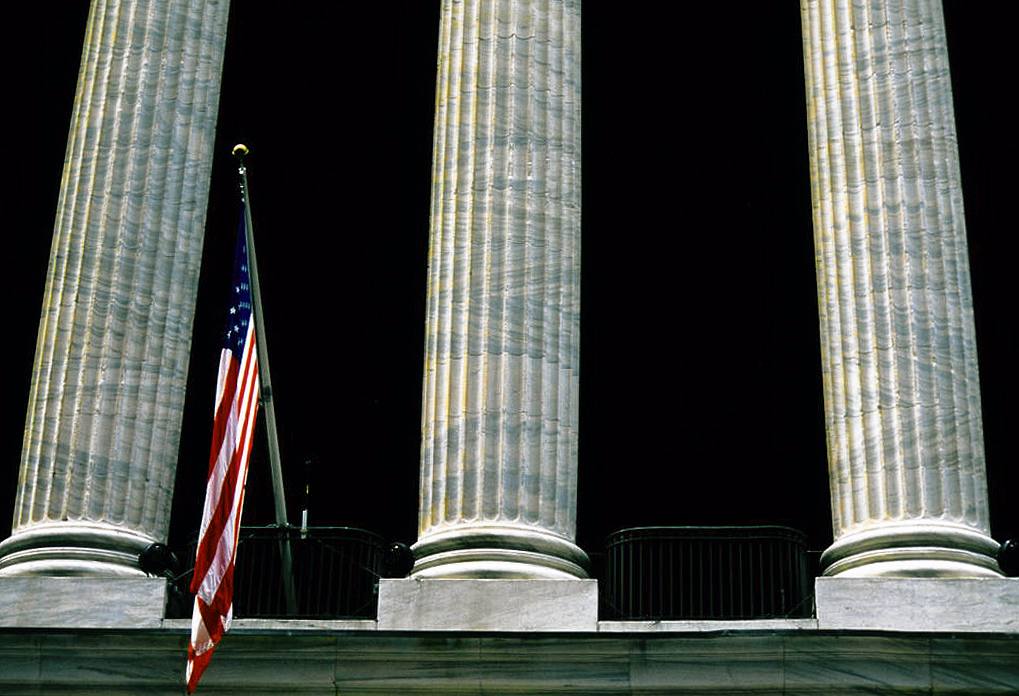
Union Elections: A Mixed Bag
In the aftermath of the union elections held across various industries, the fervor of campaign slogans and passionate speeches has given way to a more sobering reality. While some unions have celebrated victories, others have faced significant challenges that raise questions about the integrity of the election process and the commitment to workers' rights. It appears that the headlines, which once blared triumphantly regarding workers uniting for better conditions, have faded, leaving behind a quieter - yet more insidious - failure of oversight.
For many workers, union elections represent the final frontier in their struggle for a seat at the bargaining table. Yet the process has been marred by allegations of intimidation, misleading information, and, in some cases, outright fraud. It is essential to examine whether the mechanisms intended to protect the rights of workers are functioning as intended or if they have been allowed to fall into disrepair.
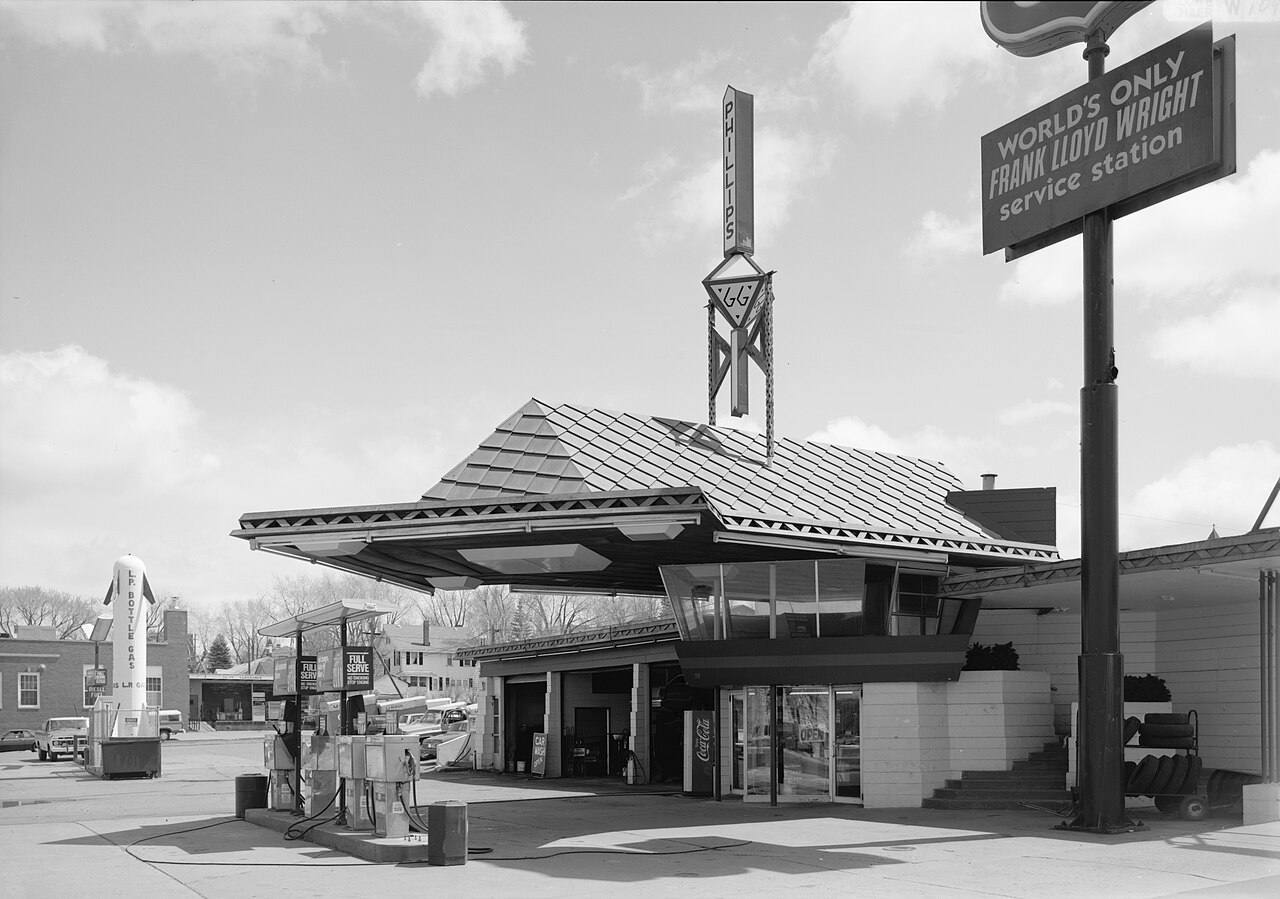
Left and Right: Extremes of Advocacy
As we analyze the current state of labor relations, it is imperative to acknowledge the extremes from both sides of the political spectrum that have shaped the conversation. On one hand, labor activists have pushed for sweeping reforms, championing the rights of workers with a fervor that sometimes borders on the dogmatic. This zeal, while rooted in noble intentions, has occasionally led to an oversimplification of complex issues, alienating potential allies who might otherwise support the cause of labor.
On the other hand, the corporate response has been equally fervent, albeit in a different manner. Business interests often frame unionization efforts as threats to their very existence, employing tactics that can be described as fear-mongering. The rhetoric from the right frequently emphasizes the potential adverse effects of unionization on economic growth and job creation. In their quest for deregulation and reduction of labor influence, they can overlook the fundamental need for a fair workplace and equitable treatment of employees.
“The headlines have faded, but the issues remain. Workers deserve better.”
Failures in Oversight
Amidst this battle of narratives, the failure of oversight becomes glaringly apparent. The National Labor Relations Board (NLRB), tasked with overseeing the unionization process, often finds itself overwhelmed and under-resourced. As claims of unfair labor practices rise, the NLRB's ability to respond effectively dwindles. The backlog of cases continues to expand, leaving workers in limbo as they seek justice and representation.
The lack of timely intervention can have dire consequences. Workers who report intimidation or coercion may find their complaints languishing in bureaucratic purgatory, leading to disillusionment and apathy. Many fear retaliation from employers, which can stifle the very voices that need to be heard the most. In an environment where oversight is lacking, the very essence of union representation is called into question.
A Call for Balanced Advocacy
What is needed now is a balanced approach that acknowledges the legitimate concerns of both workers and employers. Unions must strive to engage in constructive dialogue, recognizing that collaboration with business can yield positive outcomes for all parties involved. Likewise, businesses must abandon their knee-jerk resistance to unionization and instead engage with labor leaders in good faith negotiations that prioritize the welfare of their employees.
Looking Forward
The road ahead is fraught with challenges, but it also presents an opportunity for meaningful reform. Legislative efforts to strengthen the NLRB and enhance protections for workers will be critical in addressing the failures that have surfaced during recent elections. Moreover, unions must recognize the importance of transparency and accountability within their own ranks to maintain credibility among the worker base they aim to represent.
As the headlines fade and the fervor of the election season diminishes, it is crucial for all stakeholders to remain vigilant. The fight for workers' rights is far from over, and the need for an equitable and just workplace remains paramount. The onus is on both labor advocates and corporate leaders to rise above the extremes, fostering an environment where dialogue and cooperation can thrive.
✦ ✦ ✦