From the file. Written for the paper dated January 1996. Opened in the public stacks July 14, 2026.
In an era where political power often seems to be bought rather than earned, the debate over campaign finance has reached a fever pitch. As the primaries approach, both parties grapple with the influence of money on democracy. This week, we take a middle reading of the ongoing discussions surrounding campaign finance reform.
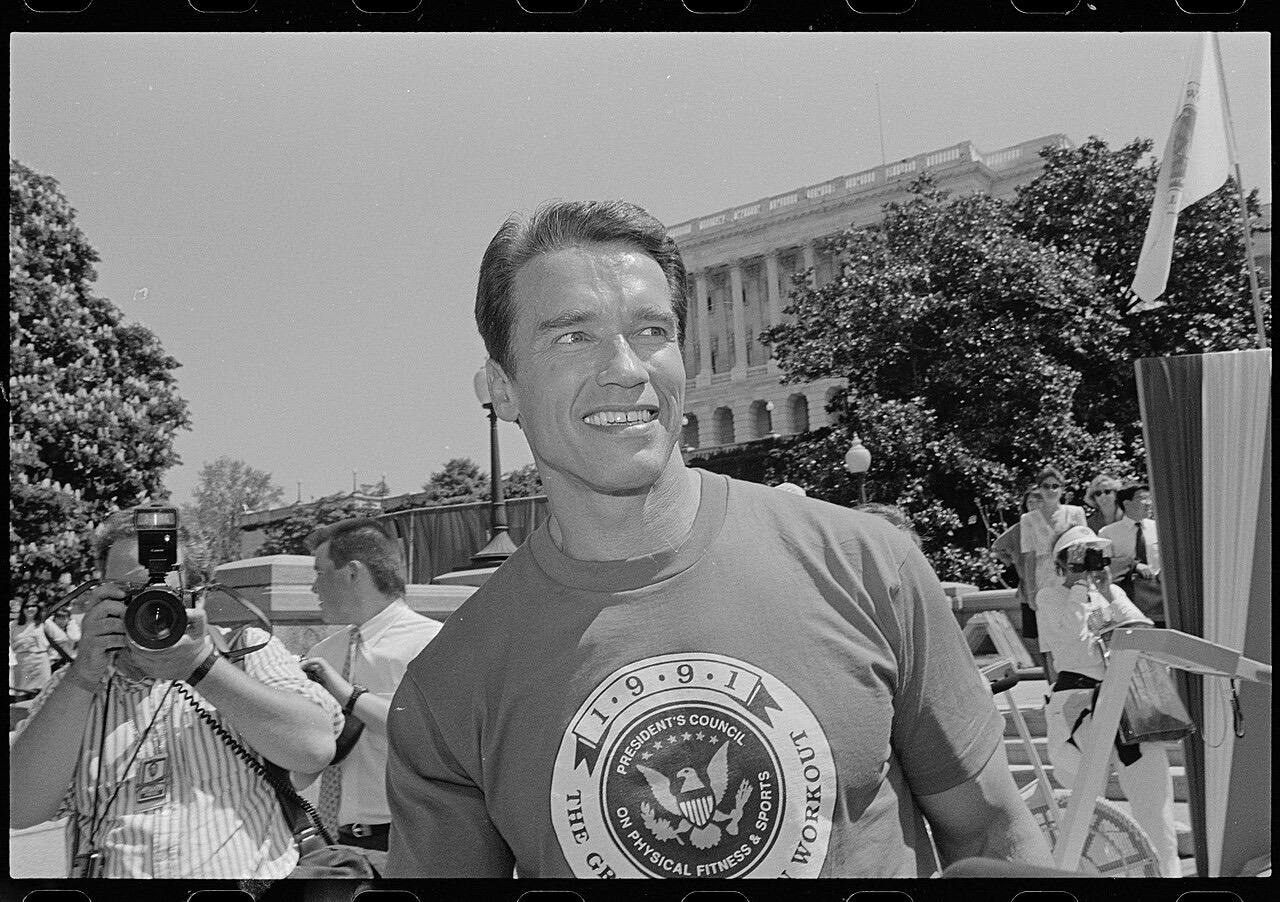
The Landscape of Campaign Contributions
Campaign finance has taken center stage as candidates gear up for the upcoming election. In both the Republican and Democratic camps, fundraising efforts have become synonymous with political strategy. But as candidates scramble to amass war chests, what does this mean for the average voter? The burgeoning role of Political Action Committees (PACs) and soft money contributions has blurred the lines of accountability, leading to concerns that only the wealthy can effectively participate in the political process.
"Money in politics isn't just a nuisance; it's a barrier to true democracy." - A concerned activist
On one side, the left is calling for stringent reforms to limit campaign contributions. Advocates argue that capping donations can level the playing field, allowing candidates without deep-pocketed backers to compete fairly. The recent surge in grassroots movements is testament to the public's demand for change. Organizations pushing for transparency and accountability have gained traction, raising awareness about how big money influences policy decisions.
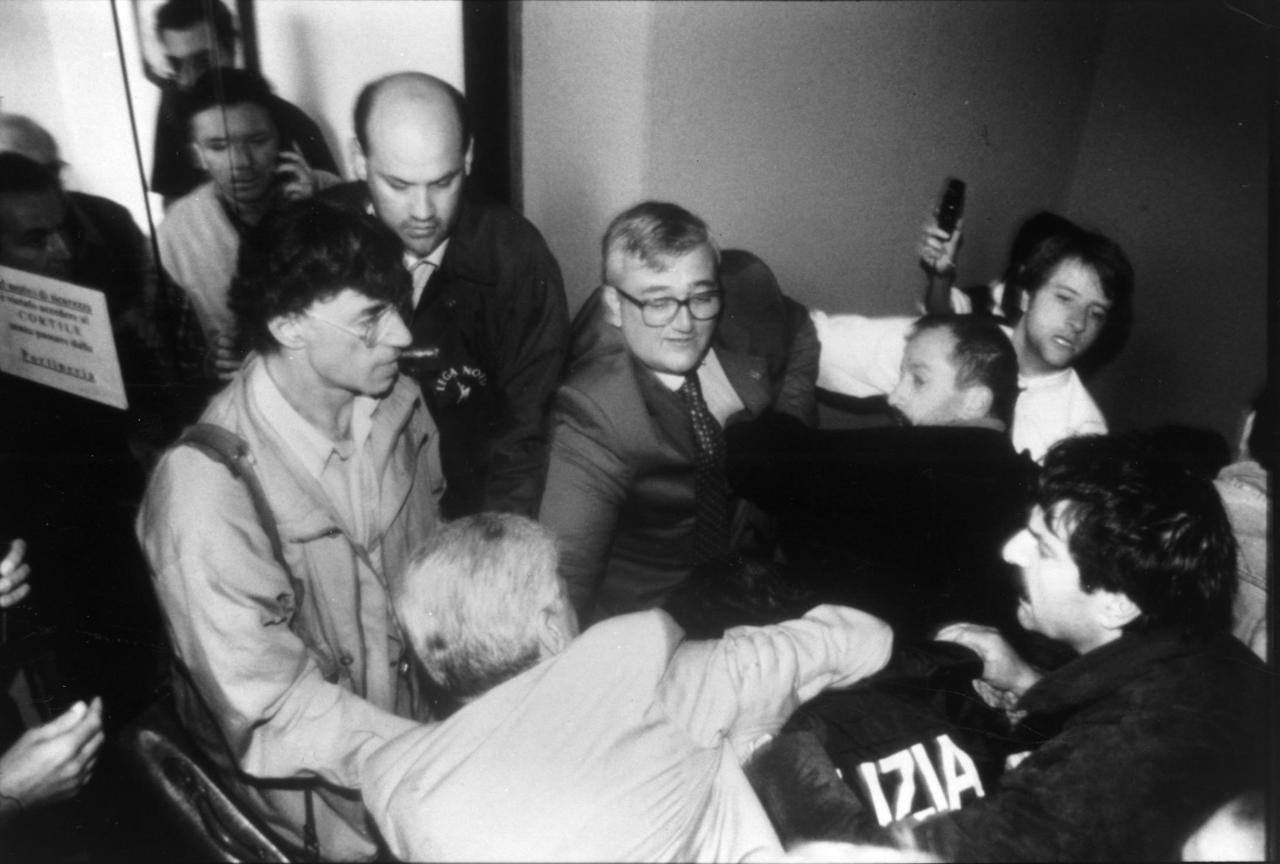
However, some on the left risk going too far. Proposals to impose severe restrictions on campaign contributions could stifle free speech. Political discourse thrives on the ability to fundraise and communicate ideas effectively. While it is crucial to address corruption, we must be cautious not to undermine the very democratic principles we seek to uphold.
The Right’s Defense of Campaign Financing
Conversely, the right is often quick to dismiss calls for reform as an attack on free enterprise. Conservatives argue that campaign contributions are a form of free speech protected under the First Amendment. They assert that limiting the flow of money into campaigns would only benefit incumbents, who would find it easier to maintain their positions against challengers. This perspective is not without merit; incumbents typically have an advantage in fundraising and name recognition, making it harder for newcomers to break into the political arena.
Yet, the right’s steadfast defense of unrestricted campaign financing seems to ignore the reality that unchecked money can drown out the voices of ordinary citizens. The potential for corruption and the perception of quid pro quo arrangements have led many to question the integrity of our electoral processes. While defending free speech is important, it should not come at the cost of a fair and transparent political system.
A Call for Bipartisan Solutions
As we navigate the complexities of campaign finance, it is essential that both sides of the aisle come together to seek common ground. Bipartisan efforts to establish reasonable limits on campaign contributions, enhance transparency in donation reporting, and strengthen regulations on PACs could foster a healthier political environment. After all, democracy thrives when voters feel their voices matter, regardless of their financial status.
"We need to ensure that every vote counts, not just those backed by the biggest checks." - A political analyst
Moreover, encouraging grassroots fundraising and civic engagement can help diminish the grip of money on politics. By empowering citizens to participate in the political process, we can create a system that reflects the will of the people rather than the whims of the wealthy. The challenge ahead lies in crafting reforms that balance the right to free speech with the need for accountability and fairness in our elections.
As we observe the unfolding campaign landscape, it is clear that the conversation around campaign finance is just beginning. With the stakes higher than ever, voters must remain vigilant and demand a political system that prioritizes their voices over the voices of moneyed interests. It is up to us, as a society, to ensure that our democracy remains robust and inclusive.
✦ ✦ ✦