From the file. Written for the paper dated January 1996. Opened in the public stacks July 14, 2026.
As the nation enters the new year, the budget standoff between Congress and the White House has become a defining issue, revealing the ideological extremes that plague both sides of the political spectrum.
The Impasse
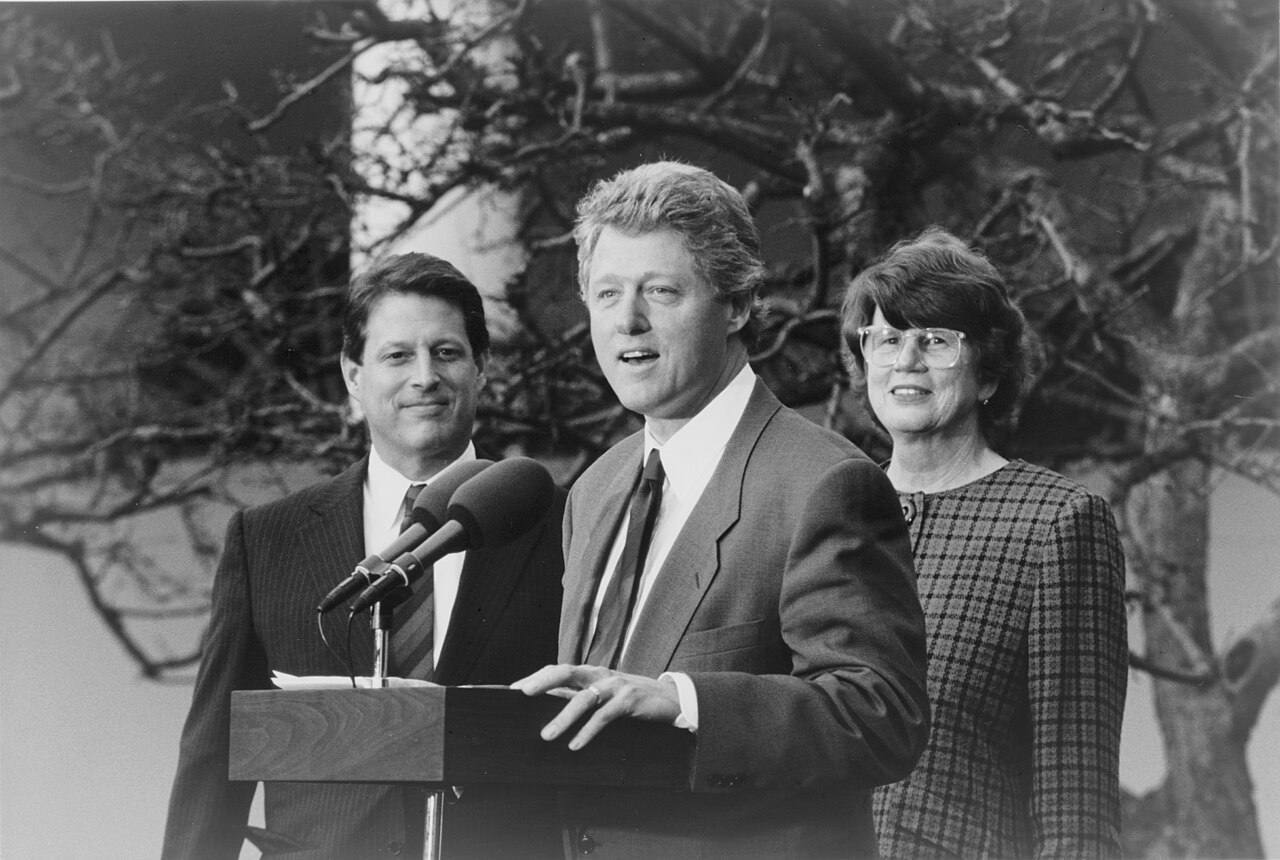
The budget negotiations of January 1996 have descended into a game of political chicken. On one side, the Republicans, led by Speaker Newt Gingrich, are insisting on deep cuts to social welfare programs, arguing that such measures are essential for reducing the federal deficit. On the other side, President Bill Clinton and the Democrats are pushing back against what they consider draconian measures that would hurt the most vulnerable members of society. This impasse has resulted in a partial government shutdown, leaving thousands of federal workers in limbo and creating uncertainty for many Americans who rely on government services.
The budget standoff reflects a broader unwillingness to compromise in a political climate that rewards extremism.
At the heart of the matter is a clash of values: the Republicans are framing their agenda around fiscal responsibility and personal accountability, while the Democrats are striving to protect social safety nets that have been in place for decades. Unfortunately, both sides appear unwilling to entertain any middle ground. The Republican stance, while advocating for a balanced budget, risks pushing millions into poverty, while the Democratic counter, although appealing to compassion, fails to address the pressing issue of national debt.
The Left's Excess
On the left, there is a tendency to demonize any attempt to cut spending as a direct assault on the poor and disenfranchised. This reaction is understandable given the narratives of the last few decades, but it overlooks the necessity of making tough decisions to ensure the long-term sustainability of government programs. The refusal to engage with the realities of fiscal governance signals a troubling disconnect from the economic challenges facing the nation. The Democratic Party must recognize that blind opposition to budget cuts without proposing realistic alternatives is not a viable strategy.
The Right's Overreach
Conversely, the right's approach to the budget crisis has been marked by an aggressive push for cuts that many deem excessive. The GOP's insistence on slashing funding for public education, healthcare, and welfare programs is alarming. While the party champions free-market principles and fiscal conservatism, their current tactics risk alienating moderate voters and jeopardizing the very social fabric they claim to protect. The rhetoric surrounding the budget debate often strays into the territory of moral superiority, casting those who rely on government assistance as irresponsible. This framing not only lacks empathy but also fails to acknowledge the structural issues that contribute to poverty and dependency.
A Call for Compromise
The current standoff represents a failure of leadership from both parties. The American public is weary of political gamesmanship and is demanding solutions that reflect a balanced approach. What is needed now is a willingness to engage in meaningful dialogue and to craft a budget that addresses both fiscal responsibility and the needs of the most vulnerable citizens. A compromise could involve a mix of reasonable budget cuts paired with targeted investments in job creation and education - strategies that would bolster the economy while demonstrating a commitment to social equity.
The American public is weary of political gamesmanship and is demanding solutions that reflect a balanced approach.
It is imperative that both sides recognize the importance of working together to move the nation forward. The current climate of polarization not only hinders effective governance but also erodes public trust in the political system as a whole. As we move deeper into 1996, the stakes are high, and the repercussions of continued gridlock will be felt by all Americans.
Looking Ahead
As Congress reconvenes and discussions continue, there is a glimmer of hope that lawmakers will take a step back from the brink and engage in the hard work of negotiation. The American people deserve a budget that reflects their values and addresses their needs. It is time for both sides to set aside their ideological extremes and work toward a solution that prioritizes the long-term health of the nation over short-term political gains.
✦ ✦ ✦