From the file. Written for the paper dated November 1995. Opened in the public stacks July 14, 2026.
In a week filled with sensational headlines about unidentified flying objects, the scientific community is challenged to separate the intriguing from the implausible. As reports flood in from various corners of the globe, the need for a rational, methodical approach to understanding these phenomena has never been more pressing.

The Noise Behind the UFO Reports
Across the nation, UFO sightings are generating buzz, igniting imaginations, and fueling conspiracy theories. Yet, what often gets lost in the cacophony is the scientific method that should underpin our understanding of these unexplained occurrences. While it’s easy to be captivated by tales of alien encounters and government cover-ups, the reality is that the vast majority of these sightings can be traced back to more mundane explanations.
Many UFO reports stem from misidentified aircraft, weather balloons, or even atmospheric phenomena. It’s crucial for enthusiasts and skeptics alike to recognize that not every light in the sky is an extraterrestrial craft. The scientific community urges a careful examination of eyewitness accounts, as they are often riddled with error and embellishment. The excitement surrounding the word “UFO” frequently overshadows the need for rigorous scrutiny.
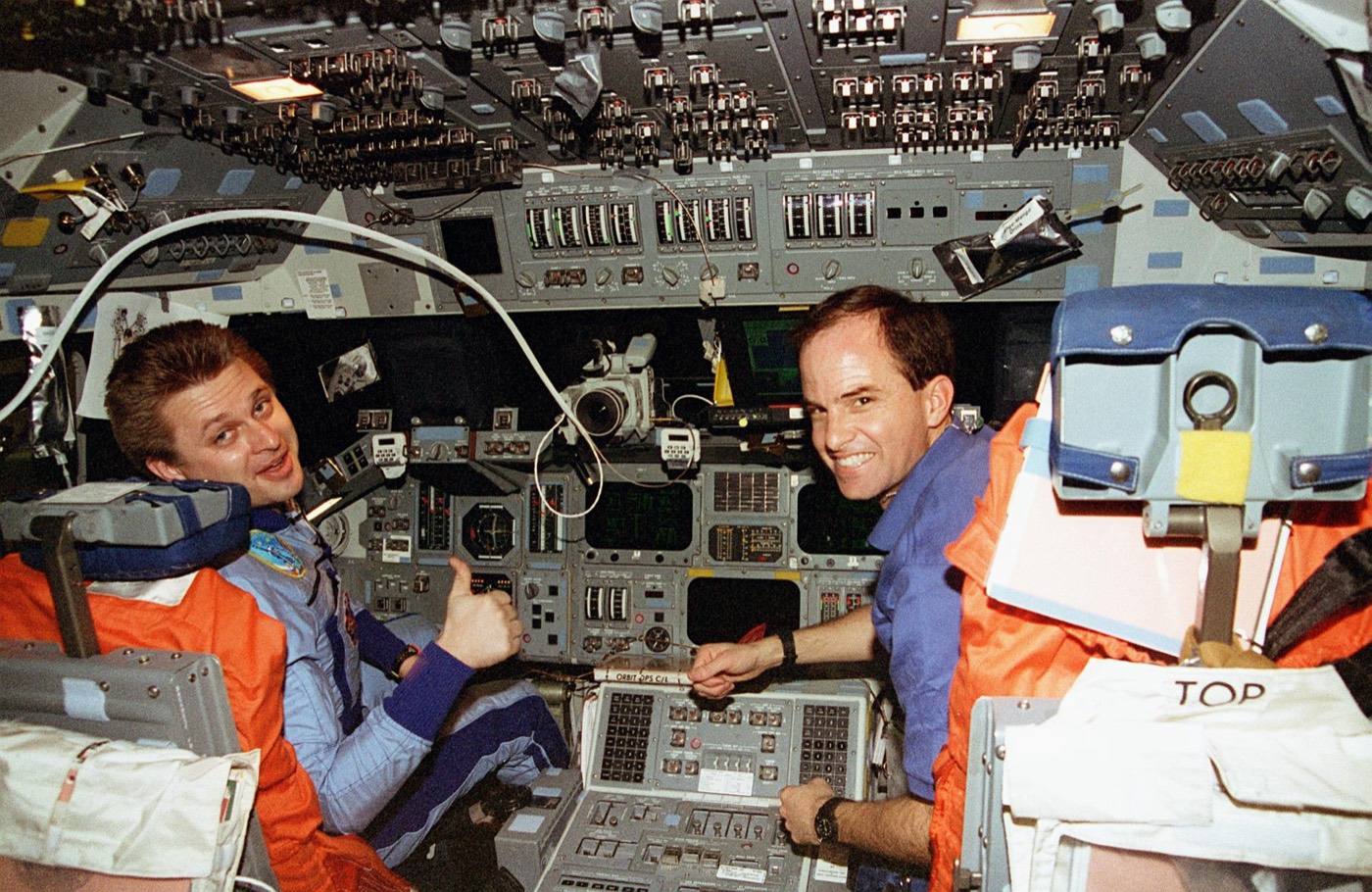
“Not every light in the sky is an extraterrestrial craft.”
In the latest report released by the National UFO Reporting Center, there were over 2,000 reported sightings in the past year alone. However, a closer inspection reveals that many of these incidents are either duplicates of previous reports or can be attributed to conventional explanations. The challenge lies in the interpretation of these reports, which can vary significantly based on the observer’s understanding and expectations.
Excesses on Both Sides
As UFO enthusiasts rally behind their beliefs, the scientific skeptics often swing too far in the opposite direction, dismissing the phenomenon entirely without consideration. This polarization is detrimental to productive discourse. It’s essential for both sides to engage in open dialogue, grounded in evidence and respect for differing viewpoints. The left’s fascination with the paranormal can sometimes overshadow the need for empirical investigation, while the right’s skepticism often leads to a dismissive attitude that shuts down potential avenues of inquiry.
Moreover, the sensationalism that often accompanies UFO reporting can distort public perception. While the desire for thrilling stories is understandable, the focus should remain on the data and the facts. The scientific community must work tirelessly to cut through the noise and provide clarity amidst the chaos. This is particularly important as the media continues to amplify the most outrageous claims without a critical lens.
It is also worth noting that some government agencies have begun to take a more serious approach to investigating UFO sightings. The Pentagon recently established a task force to analyze these reports, signaling a shift in how we address the topic. This initiative may help bring a level of credibility to investigations while also fostering transparency. However, it is imperative that the public remains cautious about jumping to conclusions based solely on official reports.
As we navigate the complexities of UFO sightings, it is important to maintain a balanced perspective. The allure of the unknown should not eclipse the need for scientific inquiry. While the idea of extraterrestrial life is undeniably fascinating, the pursuit of truth must be grounded in evidence-based research. The scientific community has a responsibility to demystify these occurrences and ensure that any conclusions drawn are based on rigorous analysis.
The Way Forward
In conclusion, the current wave of UFO reports presents an opportunity for both scientists and enthusiasts to engage in meaningful discussion. By bridging the gap between skepticism and belief, we can foster a productive environment for inquiry. The need for a careful and methodical approach cannot be overstated; it is essential for furthering our understanding of these enigmatic sightings.
As we continue to explore the skies above, let us do so with an open mind, but also with a commitment to skepticism and scientific rigor. The truth may be out there, but it is imperative that we pursue it without falling prey to sensationalism or unfounded claims. Only then can we hope to understand the phenomena that captivate our imaginations while holding true to the principles of scientific inquiry.
✦ ✦ ✦