From the file. Written for the paper dated October 1995. Opened in the public stacks July 14, 2026.
As the implications of the special counsel investigation unfold, both sides of the political spectrum are ramping up their rhetoric, often to the detriment of rational discourse.
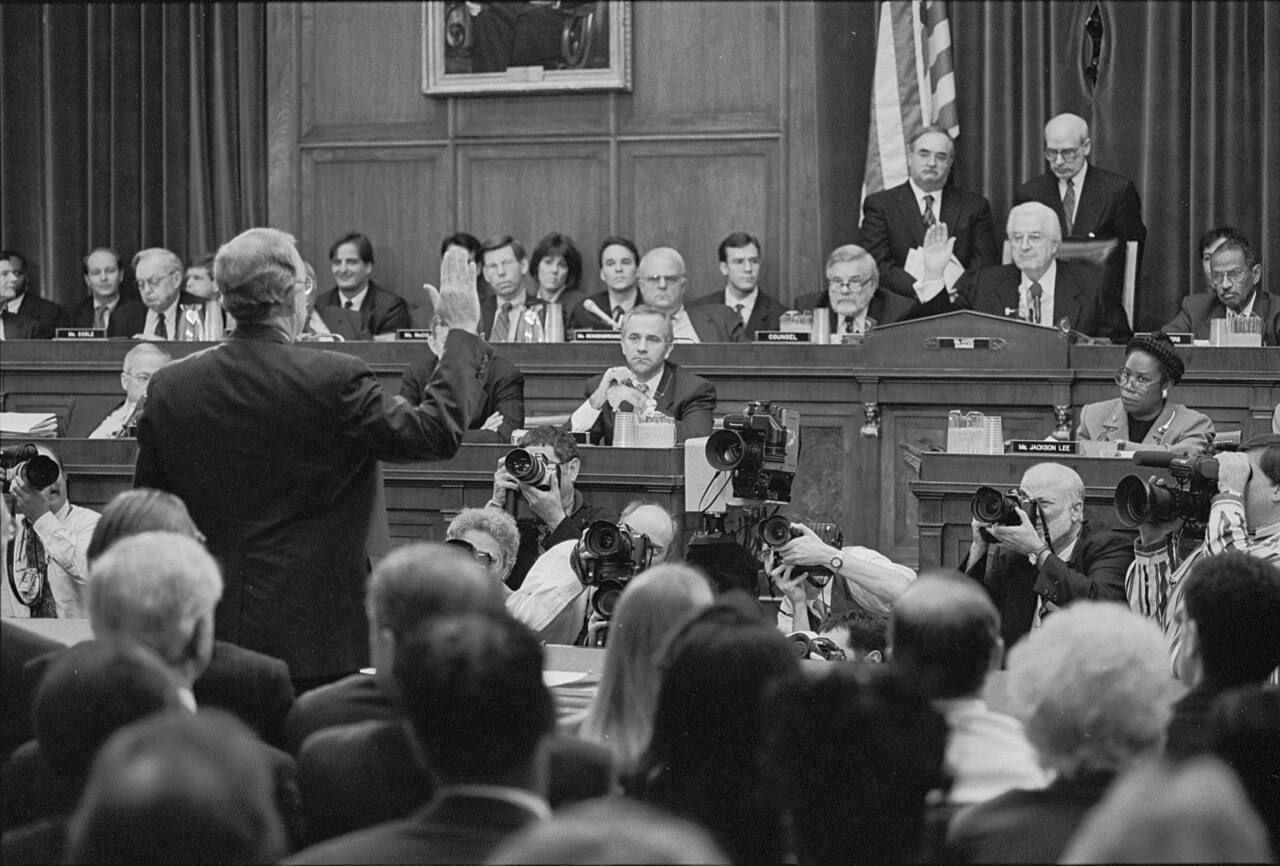
The Political Landscape
In the current climate, the special counsel's role has become a focal point for both the left and the right, each wielding the situation to bolster their own agendas. On one hand, the left sees the investigation as a beacon of justice, a necessary check on power that they argue is crucial for the integrity of our democratic institutions. On the other hand, the right frames the inquiry as a politically motivated witch hunt, an attempt to undermine the legitimacy of the current administration.
"The special counsel's investigation should be about facts, not political identities."
This divergence in perspectives illustrates a troubling trend in our political discourse: the prioritization of identity over evidence. Partisan zeal often overshadows the need for a clear-eyed examination of the facts at hand. What is needed now is a sober approach, one that separates the weight of evidence from the identities of those involved.

The Role of Evidence
The special counsel was designed to operate independently, free from the pressures of political affiliation and influence. However, this independence is under constant threat from the incessant drumbeat of partisan commentary. As the investigation progresses, both sides must resist the urge to conflate the character of individuals involved with the validity of the evidence presented.
Excesses of the Left
On the left, there is a palpable excitement surrounding the special counsel's findings, often leading to rash conclusions. Some advocates are quick to declare the investigation a definitive indictment of the administration, jumping to conclusions before all evidence is laid bare. This eagerness not only diminishes the gravity of the inquiry but also risks alienating moderate voices who may otherwise support accountability measures.
"In the rush to vindicate their positions, the left may be ignoring the very principles of justice they seek to uphold."
The urgency to expose malfeasance can lead to a dangerous oversimplification of complex realities. It is imperative that those on the left engage with the facts as they are revealed, instead of framing the special counsel's work as a mere extension of their ideological battles.
Excesses of the Right
Conversely, the right's dismissive stance toward the investigation runs the risk of normalizing unethical behavior in high offices. By labeling the special counsel as a partisan tool, some on the right may inadvertently undermine the legitimacy of a process designed to uphold the rule of law. This reactionary position not only threatens the administration's accountability but also sets a dangerous precedent for future governance.
A Call for Rational Discourse
As the investigation continues, it is crucial that we demand a measured response from our leaders and the public alike. The focus must remain on the evidence, not the personalities involved. Rational discourse is vital for the survival of our democratic values; we must not allow partisanship to cloud our judgment.
"Truth must prevail over political loyalty if we are to maintain the integrity of our institutions."
The special counsel's findings will undoubtedly have profound implications for the political landscape. However, the way we approach these revelations can either fortify or weaken our democratic foundations. Both sides must be willing to engage with the facts in a constructive manner, ensuring that accountability is not sacrificed on the altar of partisan loyalty.
Conclusion
In the end, the special counsel investigation should serve as a reminder of the importance of evidence-based governance. Both the left and the right must recognize that the search for truth transcends individual identities and political affiliations. As the investigation unfolds, let us commit to a more rational and evidence-driven approach to our political engagement.
✦ ✦ ✦