From the file. Written for the paper dated October 1995. Opened in the public stacks July 14, 2026.
As the legislative battle over the filibuster intensifies, both sides are digging in their heels, but the rhetoric has begun to overshadow the substance of the debate.

Understanding the Filibuster
The filibuster, a longstanding tradition in the Senate, has become a flashpoint in American politics. It allows a minority of senators to prolong debate on legislation, effectively blocking its passage unless a supermajority can be mustered to invoke cloture. Today, this practice is under fire as Democrats and Republicans vie for control over the narrative surrounding its use.
Left's Overreach: Emotions Over Evidence
On the left, there is a growing sentiment that the filibuster is an outdated relic that stymies progress on critical issues such as health care reform, gun control, and environmental legislation. Advocates argue that the current political climate necessitates a more streamlined legislative process, allowing for swift responses to pressing national challenges.
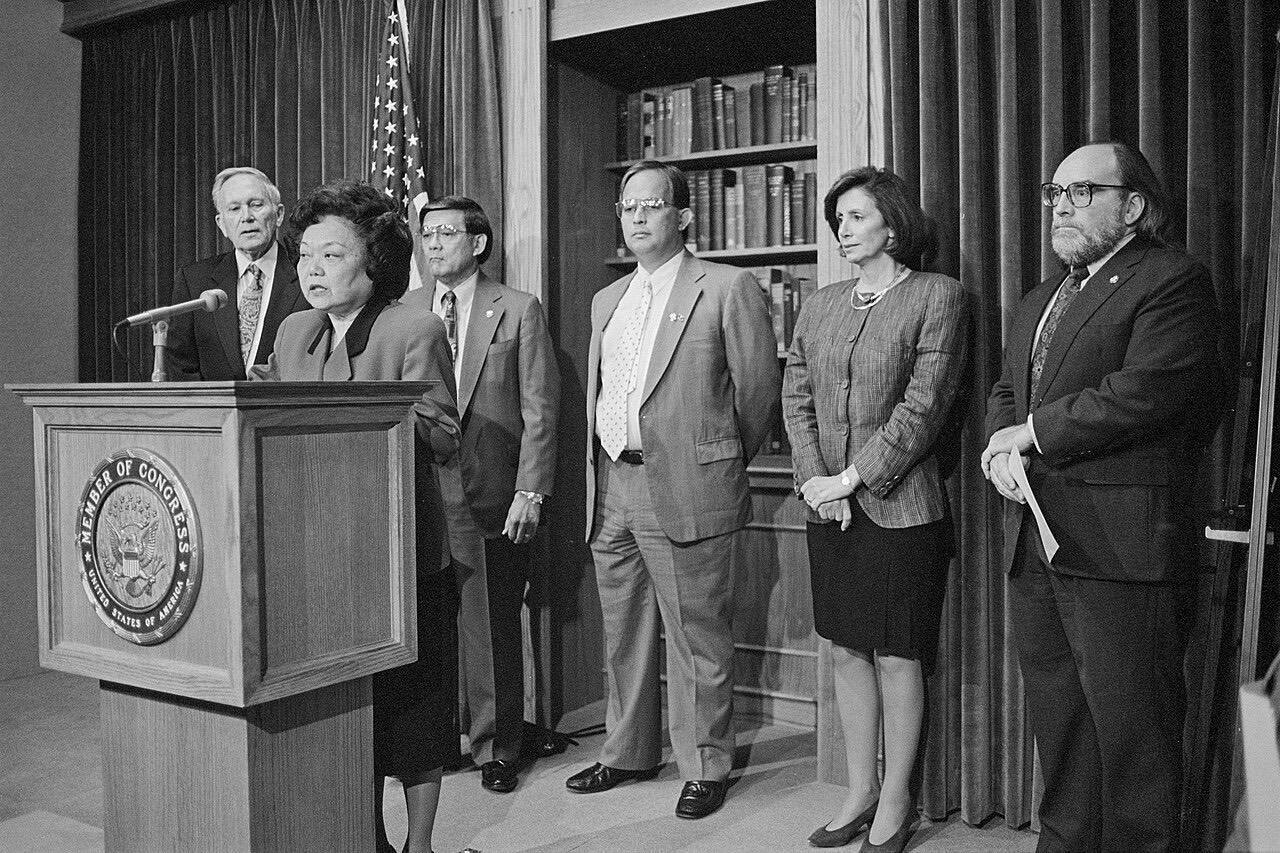
However, this argument often lacks the rigorous evidence needed to support such sweeping reforms. Rather than addressing the complexities of legislative strategy, some left-leaning commentators have resorted to emotional appeals, suggesting that the filibuster is merely a tool of obstruction wielded by a selfish minority.
“The filibuster is killing our democracy.”
This kind of rhetoric, while galvanizing, oversimplifies a nuanced issue. The filibuster is not inherently anti-democratic; rather, it is designed to protect minority opinions and ensure that legislation is thoroughly debated before being enacted.
Right's Rhetoric: Defending the Status Quo
Conversely, the right's defense of the filibuster often leans on the notion of preserving tradition and resisting what they view as a progressive onslaught against American values. They argue that eliminating the filibuster would lead to a slippery slope of legislative tyranny, where the majority could steamroll dissenting voices.
While the defense of minority rights is a noble cause, it is crucial to recognize that the right sometimes uses the filibuster as a shield against necessary reforms. In doing so, they risk becoming the very obstructionists they accuse the left of being. The filibuster, in its current form, can also perpetuate gridlock and prevent vital legislation from addressing the needs of the American people.
Finding Common Ground
Both sides must tread carefully in this contentious debate. The left must temper its calls for reform with a recognition of the filibuster's role in fostering deliberation, while the right must acknowledge that an unyielding adherence to tradition can hinder progress. A balanced approach is necessary, one that respects the principles of democracy while also allowing for meaningful legislative action.
A Complicated Legacy
As the debate rages on, it is essential to consider the historical context of the filibuster. Originally intended as a means to encourage debate and protect minority interests, its use has evolved into a double-edged sword. The notion that one party can wield it as a weapon against the other raises questions about its future relevance in a rapidly changing political landscape.
The Path Forward
To navigate the complexities of the filibuster, lawmakers must engage in honest dialogue about its implications and limitations. This requires moving beyond partisan talking points and focusing on the evidence that informs the debate. A potential compromise could involve reforming the filibuster to require a lower threshold for cloture, thus allowing for more efficient legislative action while still preserving minority rights.
Ultimately, the filibuster's fate may depend on the willingness of both parties to embrace a more collaborative approach to governance. In a time when division seems to be the norm, finding common ground could lead to a more productive and responsive legislative process.
✦ ✦ ✦