From the file. Written for the paper dated September 1995. Opened in the public stacks July 14, 2026.
As the political landscape in America continues to shift and evolve, the integrity of rhetoric used by both sides of the aisle comes under increasing scrutiny. This week, we delve into the often murky waters of public claims versus the record, illuminating the importance of honesty in political discourse.
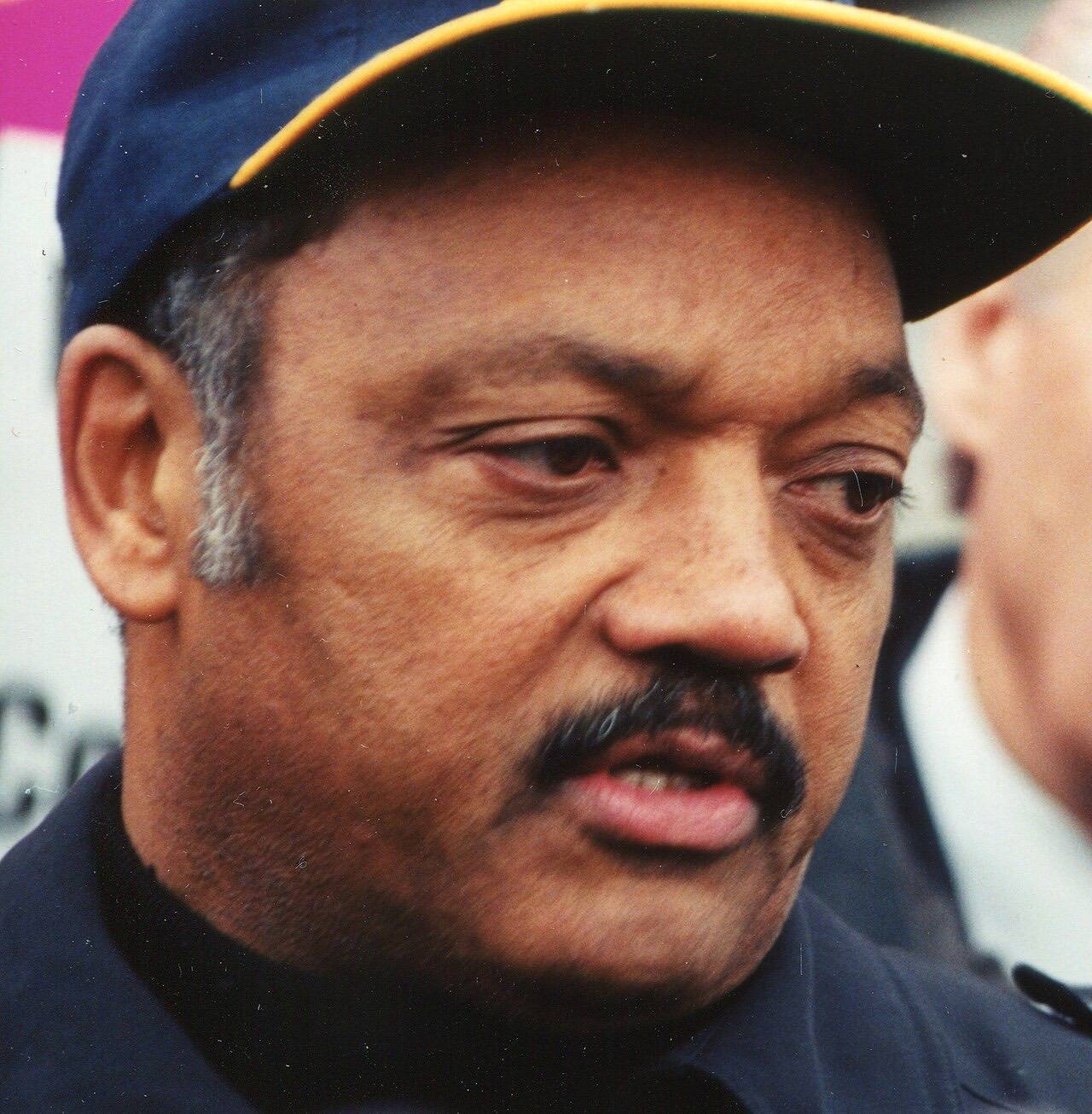
Left vs. Right: A Tale of Two Extremes
In recent months, we have witnessed an alarming trend where both the left and the right seem to be adopting a more cavalier attitude toward truth. The left, buoyed by a growing coalition of progressive thinkers, often resorts to lofty ideals that can stray dangerously far from practical realities. Meanwhile, the right, emboldened by a wave of populism, frequently relies on hyperbolic rhetoric that can mislead the very constituents they seek to serve.
Take, for instance, the ongoing debate over healthcare reform. The left touts a vision of universal coverage as a panacea for the nation’s ills, often glossing over the complexities and potential pitfalls of such a system. Claims of complete accessibility and affordability may resonate on the campaign trail but falter under the weight of fiscal responsibility and implementation challenges. Are we trading one set of problems for another in our rush to embrace an ideal?

Conversely, the right insists that deregulation and tax cuts will magically revive the economy. Yet, a closer examination of the record shows that such measures can lead to widening income inequality and a detachment from the struggles of ordinary Americans. The promise of prosperity for all often comes with caveats that aren’t communicated clearly enough, leading to disillusionment among those who were led to believe in a quick fix.
“Honesty in politics is not a luxury; it is a necessity for the health of our democracy.”
The Danger of Selective Truths
Both sides of the political spectrum seem to have adopted a strategy of selective truths, wherein facts are cherry-picked to fit a narrative rather than presenting a balanced view of issues. This phenomenon is not merely an annoyance; it threatens the very foundation of informed decision-making among the electorate.
For example, while the left highlights the successes of social programs, it often fails to address their shortcomings. Similarly, the right may celebrate economic gains without acknowledging the groups left behind in the process. In this environment of half-truths, how can citizens make informed choices at the ballot box? The answer is simple: they cannot.
Voters deserve transparency and honesty from their leaders - a call that transcends party lines. It is imperative that both the left and the right recognize their responsibility to provide a clear, factual account of their policies and their implications. The stakes are too high to allow politicized rhetoric to cloud critical issues.
The Role of the Media
In this age of information, the media plays a crucial role in holding politicians accountable for their claims. However, the current media landscape is fraught with challenges. Sensationalism often reigns supreme, leading to a culture where entertainment is prioritized over substantive discourse. As journalists, we must strive to cut through the noise and provide our readers with the facts - unvarnished and unfiltered.
It is our duty to challenge both sides when they veer into the territory of deception or exaggeration. By doing so, we empower the public to hold their leaders accountable. A more informed citizenry is essential to a healthy democracy, and it starts with demanding honesty in rhetoric from those who seek to represent us.
In conclusion, the interplay of rhetoric and reality is a delicate balance that must be navigated with care. Both the left and the right have an obligation to their constituents to engage in honest dialogue. The consequences of failing to do so are far-reaching and detrimental to the very fabric of our society. Let us strive for a political climate where honesty is not just an ideal but a standard. Only then can we hope to foster a democracy that truly reflects the will and needs of the people.
✦ ✦ ✦