From the file. Written for the paper dated September 1995. Opened in the public stacks July 14, 2026.
In the charged atmosphere of September 1995, the debate over border policy continues to escalate, revealing a chasm between public claims and the actual mechanics of enforcement. Both sides of the political spectrum are guilty of exaggeration and misrepresentation, creating a murky picture of what border policy truly entails.

Border Enforcement: A Political Football
On one end, the right has seized upon the issue of illegal immigration as a rallying cry for tougher enforcement measures. Politicians are quick to tout soaring numbers of apprehensions at the border, suggesting that the crisis is at hand and that only an iron-fisted approach can restore order. Yet, the reality is far more complex. Many of these apprehensions involve individuals who are simply seeking a better life, not the dangerous criminals that some right-leaning voices would have us believe.
Conversely, the left often paints a picture of a compassionate approach to immigration, emphasizing the need for reform and pathways to citizenship. While their intentions are noble, there seems to be a lack of acknowledgment regarding the realities of border enforcement. The calls for open borders or leniency can come off as naive, ignoring the potential consequences of unchecked immigration, including strains on local resources and communities.
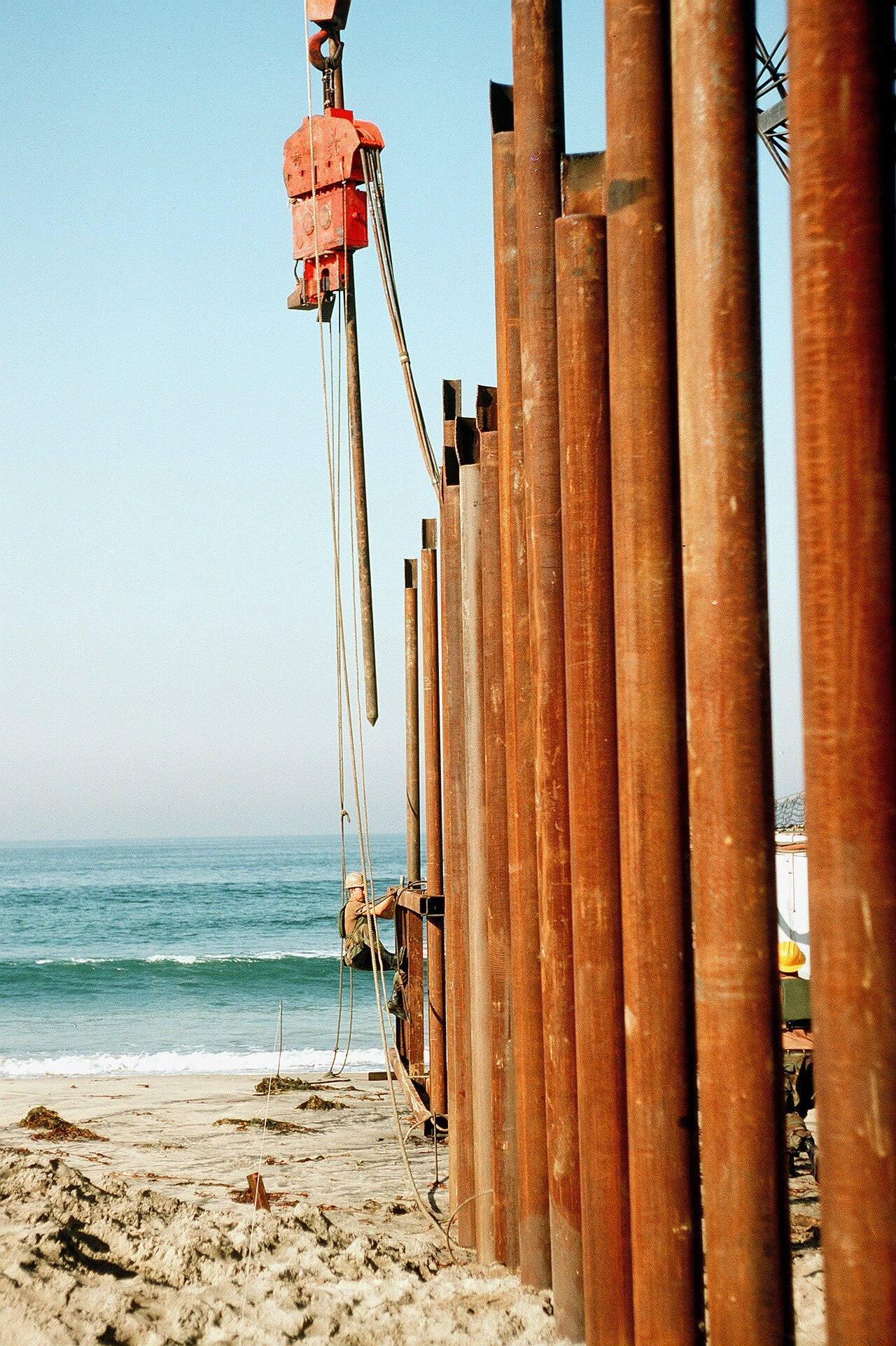
"Both sides of the aisle are playing politics with a sensitive issue that affects millions."
Thus, we find ourselves in a political quagmire where neither side is willing to engage in a nuanced discussion about the intricacies of border policy. This environment fosters an atmosphere of fear and misinformation, which only serves to inflame tensions on both sides.
The Mechanics of Policy Implementation
Examining the mechanics of border policy reveals a different story than what is often portrayed in the media. The reality is that immigration enforcement is not a monolithic entity but a labyrinth of laws, regulations, and practices that vary widely across the country. From the INS to local law enforcement agencies, the implementation of these policies differs significantly based on regional priorities and resources.
Take, for example, the recent increase in funding for the Border Patrol. While this move is heralded by some as a necessary step towards enhanced security, it also raises questions about the allocation of resources. Critics argue that funds could be better spent on comprehensive immigration reform rather than merely reinforcing the physical barriers. In many cases, the focus on enforcement overshadows the need for a broader discussion about the economic and social factors driving migration.
Moreover, the portrayal of immigrants often leans heavily on fear-based narratives, neglecting the contributions that many individuals make to our society. The economic impact of immigration is complex, with many studies indicating that immigrants play a vital role in various sectors, from agriculture to technology.
Public Sentiment and Political Rhetoric
Public sentiment around immigration is increasingly polarized. The rhetoric coming from both the right and left often fails to reflect the views of the average American, who may hold more moderate positions. Many citizens express a desire for a balanced approach - recognizing the need for border security while also advocating for humane treatment of those seeking refuge.
"The average American is caught in the crossfire of extreme rhetoric from both sides."
It is this moderate voice that often gets drowned out amid the cacophony of political posturing. As the debate rages on, the need for a comprehensive and fair immigration policy becomes ever more pressing. If our leaders continue to pander to their respective bases, we risk losing sight of the fundamental values that have long defined this nation.
The Path Forward
Looking ahead, it is crucial that both sides of the aisle acknowledge the importance of dialogue and compromise. Our border policy should not be a weapon wielded for political gain but rather a complex issue that demands thoughtful discussion and equitable solutions. As we navigate this landscape, it is essential to remember that the lives of countless individuals hang in the balance.
In conclusion, the mechanics of border policy are far too intricate to be boiled down to sound bites. Both right and left must resist the temptation to exploit this issue for their own ends. Instead, they should strive to work towards policies that reflect the realities of immigration and uphold the values of fairness and justice.
✦ ✦ ✦