From the file. Written for the paper dated August 1995. Opened in the public stacks July 14, 2026.
As public health crises continue to emerge, the responses from various institutions reveal a troubling pattern of self-preservation over genuine public concern.
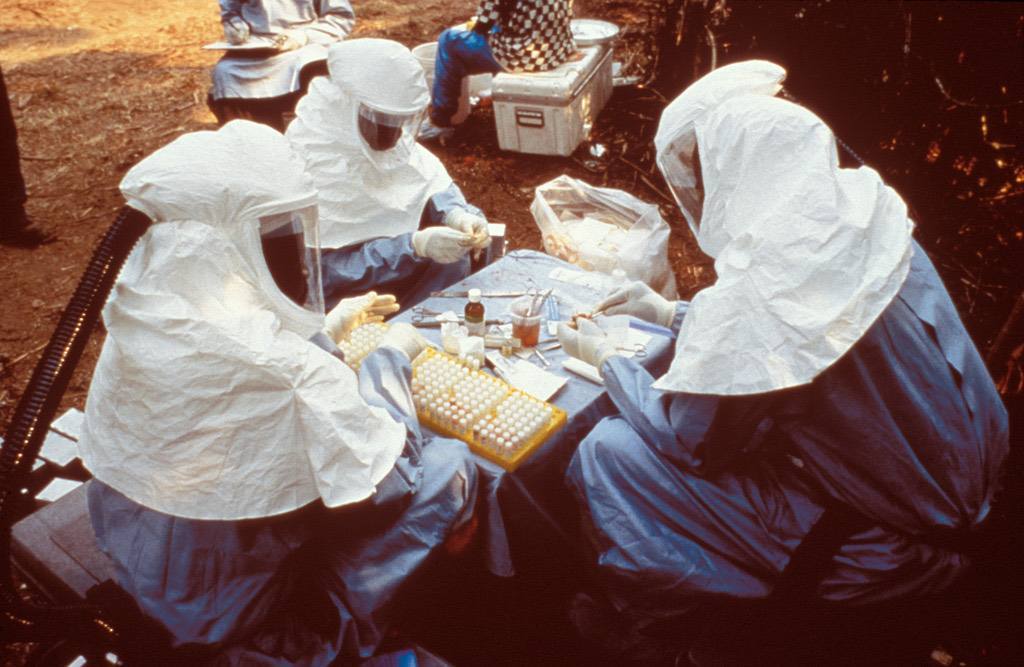
A Crisis of Accountability
In the wake of the recent epidemic that swept through parts of the country, the response from health institutions has been a subject of intense scrutiny. While one would expect a united front focused on the health and safety of the public, what has emerged instead is a cacophony of self-serving actions that prioritize institutional reputations over effective crisis management.
Take, for instance, the Centers for Disease Control and Prevention (CDC). While they have undoubtedly played a crucial role in monitoring and responding to health threats, their recent actions suggest a troubling trend. Rather than being transparent about the limitations of their data and their response strategies, the CDC has at times appeared more focused on maintaining an image of infallibility. This has led to a public that is often confused and misinformed about the actual risks posed by the epidemic.

Political Posturing and the Lack of Unified Response
The political landscape has also been less than helpful in providing the necessary support for effective epidemic response. Both sides of the aisle have been quick to leverage the situation for political gain, often at the expense of public health. On one hand, some conservative factions have dismissed the severity of the epidemic, framing it as a transient issue that does not warrant urgent action. This undermines the efforts of healthcare professionals who are on the front lines, risking their own safety to combat the epidemic.
On the other hand, the left has sometimes resorted to alarmist rhetoric, framing the epidemic as a catastrophe that could potentially lead to societal collapse. This kind of hyperbole can lead to panic, further complicating the situation and diverting attention from practical solutions. Instead of fostering a collaborative effort to address the health crisis, both sides are often more concerned with scoring political points than with crafting coherent and effective responses.
"The epidemic should be a rallying point for unity, not a battleground for political strife."
Institutional Barriers to Effective Action
One of the most significant barriers to effective epidemic response is the bureaucratic inertia that plagues many health institutions. The layers of red tape can stifle innovation and delay crucial actions that could mitigate the impact of an outbreak. Health departments at both state and federal levels often face challenges in reallocating resources quickly enough to respond to emerging threats. This sluggishness not only endangers public health but also erodes trust in these vital institutions.
Moreover, funding constraints exacerbate the problem. Public health initiatives are often among the first to see budget cuts, particularly during times of economic distress. As officials scramble to justify their budgets, the very programs designed to protect public health and prepare for crises are left vulnerable. This chronic underfunding has dire implications for our ability to respond to health emergencies effectively.
Turning the Tide
So what can be done to shift the focus back to effective epidemic response? First and foremost, there needs to be a call for accountability and transparency from public health institutions. Rather than hiding behind polished reports that gloss over shortcomings, health officials must engage in honest conversations with the public about the realities of the epidemic. Only with accurate information can citizens make informed decisions about their health.
Furthermore, it is crucial for both political parties to set aside their differences and work collaboratively to address the epidemic. The health and safety of the public should transcend partisan politics. By fostering a spirit of cooperation, lawmakers can create a framework that supports robust public health initiatives and ensures that resources are allocated where they are needed most.
A Call for Proactive Measures
Finally, we must advocate for a reevaluation of how resources are allocated within public health systems. By prioritizing proactive measures rather than reactive ones, we can create a more resilient framework that can withstand future crises. This includes investing in research, training healthcare professionals, and establishing better communication networks among institutions.
As we navigate through this epidemic, it is imperative that we hold our institutions accountable and demand a response that prioritizes public health over political gain or institutional reputation. The health of our population depends on it.
✦ ✦ ✦