From the file. Written for the paper dated April 1995. Opened in the public stacks July 14, 2026.
In a world increasingly driven by technology, the rise of artificial intelligence systems has sparked both excitement and skepticism. The allure of certainty in an uncertain age is propelling these systems into the forefront of public consciousness.

A Leap into the Unknown
The 1990s have been characterized by rapid advancements in technology, and artificial intelligence stands as a testament to this evolution. From early algorithms to more sophisticated neural networks, AI systems are gaining traction in various sectors. The promise of these systems lies in their ability to process vast amounts of data and provide insights that can inform crucial decisions.
However, the excitement surrounding AI also brings a wave of concerns. Critics argue that the fervor to adopt AI systems may overshadow essential considerations about their reliability and ethical implications. As businesses and institutions rush to implement these solutions, the question arises: are we sacrificing critical thinking for the sake of certainty?
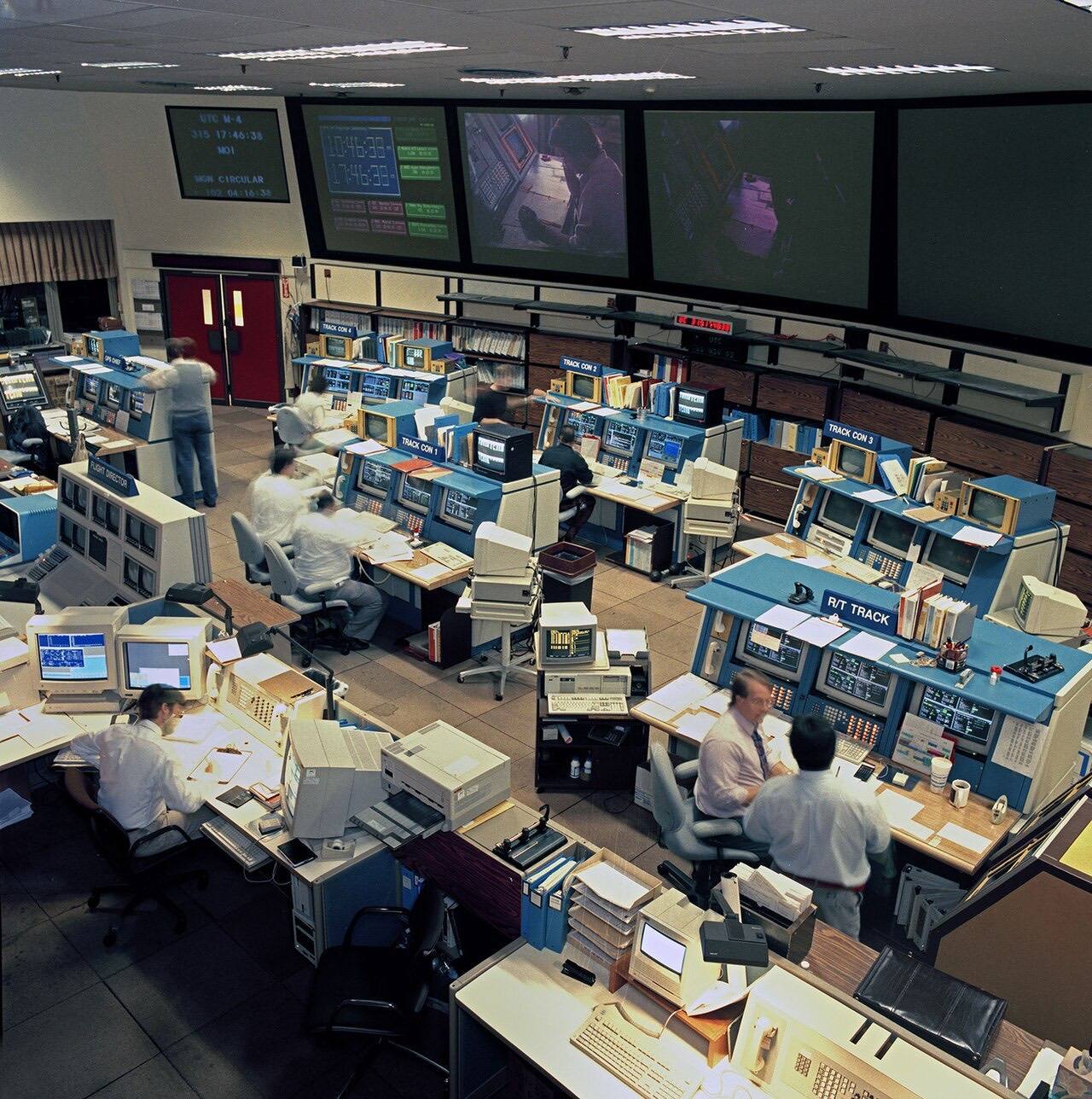
The Market Demand for Certainty
One of the primary driving forces behind the adoption of AI systems is the demand for certainty in decision-making. In an era marked by economic fluctuations and unpredictable political landscapes, organizations are increasingly turning to technology that promises to reduce uncertainty. Proponents of AI argue that these systems can enhance efficiency and accuracy, providing a competitive edge in a crowded marketplace.
"The allure of certainty is strong, but we must remain vigilant about the implications of relying too heavily on machines."
This demand for certainty is not limited to the corporate world. In healthcare, for example, AI systems are being explored for their potential to diagnose diseases and recommend treatments. The promise of improved patient outcomes is enticing, yet the dependence on algorithms raises ethical concerns. What happens when an AI system misdiagnoses a patient, or when it lacks the compassion that only a human can provide?
Excesses of the Left and Right
As we navigate the complexities of AI, it is essential to recognize the excesses that both the left and right political spectrums are exhibiting. The left often champions the idea of technology as a universal solution to societal problems, advocating for widespread implementation without fully considering the consequences. Meanwhile, the right tends to dismiss the potential of AI, focusing instead on the risks and fearing job displacement and economic upheaval.
This polarized view creates a false dichotomy. The reality is that AI systems can offer remarkable benefits while also posing significant risks. The challenge lies not in embracing or rejecting technology outright but in fostering a balanced approach that considers both the potential rewards and pitfalls.
Ethical Considerations
The ethical implications of AI systems cannot be ignored. As these technologies become more integrated into our lives, questions about accountability and transparency arise. Who is responsible when an AI system makes a mistake? Are the algorithms being designed with an inherent bias that could perpetuate existing inequalities?
Moreover, the rapid development of AI has outpaced the establishment of regulatory frameworks. Policymakers must grapple with the implications of AI on privacy, security, and employment. It is crucial to create guidelines that promote innovation while ensuring ethical standards are upheld.
Looking Ahead
The future of AI is undeniably bright, but it is imperative to approach this frontier with caution. As we continue to explore the capabilities of these systems, it is essential to engage in open dialogues that encompass diverse perspectives. By doing so, we can harness the power of AI while remaining vigilant about its potential consequences.
As we stand at the crossroads of innovation and ethics, it is crucial to ensure that our quest for certainty does not come at the expense of our humanity. While AI systems have the potential to enhance our lives, we must remain grounded in our values, questioning the systems we create and the impacts they have on society.
✦ ✦ ✦