From the file. Written for the paper dated January 1995. Opened in the public stacks July 14, 2026.
In a week marked by contrasting narratives, public trust surveys reveal a nation grappling with skepticism towards its institutions. The latest findings indicate a troubling decline in confidence that transcends political affiliations.
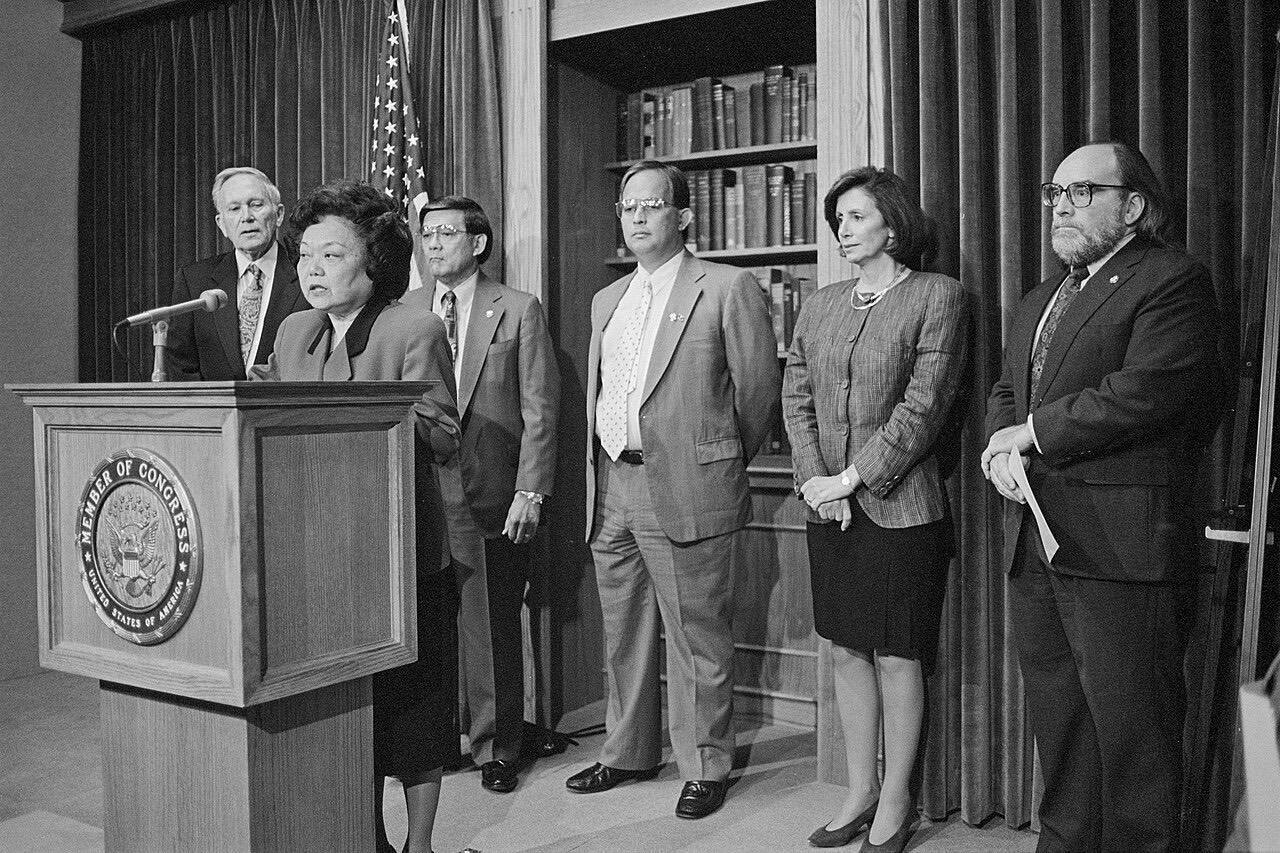
The State of Trust
As we enter 1995, the results of the most recent public trust survey paint a stark picture of a citizenry divided, disillusioned, and increasingly wary of the government and its representatives. The survey, conducted by an independent research organization, reveals that only 28 percent of Americans express a great deal of trust in the federal government, down from 32 percent last year. This trend raises pertinent questions about the current political climate and the state of our democracy.
"Trust in government is at an all-time low, and it’s no surprise given the political theater we’ve witnessed recently." - A concerned citizen
Left and Right: A Tug-of-War
On one hand, the left continues to champion progressive ideals, advocating for social justice and environmental protections. Yet, their strategies often come across as heavy-handed, with calls for increased regulations that some view as an overreach. The recent push for universal healthcare, while noble in intent, has been met with skepticism by many who fear government control over personal health decisions.
Conversely, the right remains entrenched in a fervent defense of individual liberties, but often at the expense of community and collective responsibility. The ongoing debates surrounding welfare reform and tax cuts have exposed a rift in conservative philosophy, where the desire for reduced governmental intervention clashes with the need for a safety net for the most vulnerable in society.
Media's Role in Eroding Trust
The media landscape has not helped matters. Sensationalism seems to permeate news reporting, with both sides of the political spectrum accusing each other of bias. The left criticizes coverage that overlooks systemic issues, while the right decries what they see as a liberal agenda that distorts the truth. This perpetual cycle of blame has only deepened public cynicism, leaving many questioning the motives of those who provide the news.
Consequences of Distrust
The implications of this distrust are profound. A disengaged populace is less likely to participate in the democratic process, leading to lower voter turnout and a disconnect between elected officials and their constituents. This week’s survey indicates that only 55 percent of respondents are likely to vote in the upcoming elections, a drop from previous cycles. If citizens do not feel represented, the foundation of our democracy is at risk.
Moreover, the erosion of trust fosters a toxic environment where misinformation can thrive. In an age of rapid information dissemination, the ability to discern fact from fiction is crucial. Yet, as political polarization intensifies, many find solace in echo chambers that reinforce their existing beliefs, further complicating the search for common ground.
A Path Forward
What can be done to rebuild this trust? It will require a concerted effort from both political leaders and the media to engage in honest dialogue and foster transparency. Politicians must prioritize the needs of their constituents over partisan agendas, while journalists need to commit to impartial reporting that seeks to inform rather than inflame.
Ultimately, it is up to the citizens to demand accountability from their elected officials and media outlets. Only through active participation and critical engagement can we hope to restore faith in our institutions.
✦ ✦ ✦