From the file. Written for the paper dated December 1994. Opened in the public stacks July 14, 2026.
As we navigate the complex landscape of American politics in December 1994, it is essential to examine the current state of free speech and how both major parties are engaging - or failing to engage - with this foundational principle.

The Political Climate
In the wake of the midterm elections, the political atmosphere is charged with rhetoric that both champions and stifles free expression. The right, emboldened by its recent electoral gains, has been quick to position itself as the guardian of constitutional liberties, particularly the First Amendment. However, this claim often rings hollow when we consider the party's more draconian proposals regarding censorship of perceived indecency and political correctness. On the other hand, the left, while advocating for the rights of marginalized voices, frequently resorts to silencing tactics that undermine the very inclusivity it seeks to promote.
Free Speech as a Political Tool
The misuse of free speech as a political weapon is not a new development. Both sides of the aisle have a habit of wielding the First Amendment selectively, often prioritizing their own agendas over the broader societal implications. The right tends to champion free speech vehemently when it aligns with their conservative values but paradoxically supports legislation that curtails expression deemed offensive. Meanwhile, the left may champion the rights of underrepresented groups yet falls into the trap of “cancel culture,” where dissenting opinions are silenced rather than debated.
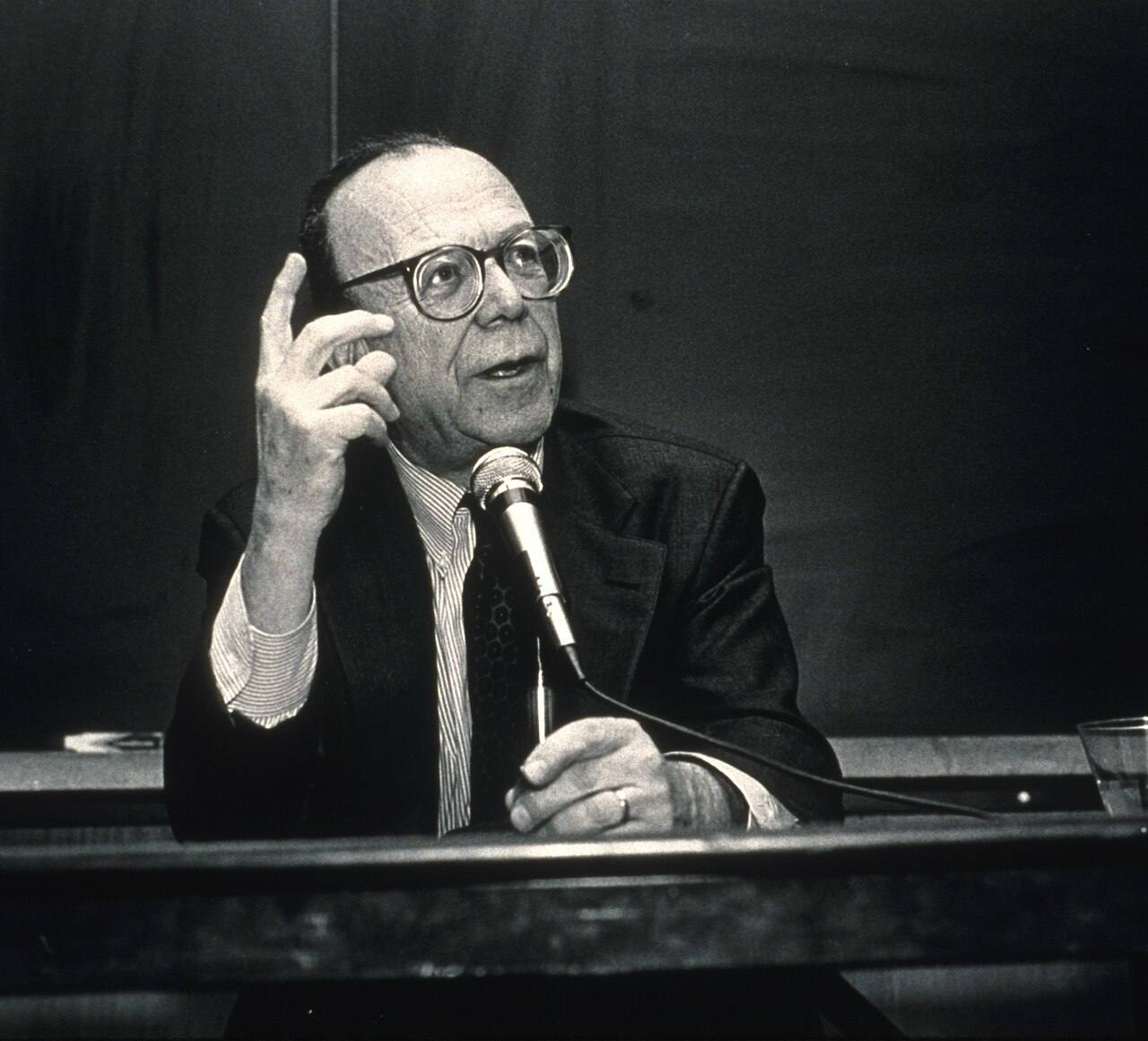
“Both sides seem more interested in silencing their opponents than fostering a genuine dialogue.”
The Role of Universities
One of the most troubling battlegrounds for free speech is the university campus. Institutions of higher learning, once bastions of open discourse, are increasingly becoming hotbeds of ideological conformity. Students are often discouraged from voicing opinions that diverge from the prevailing orthodoxy. This chilling effect on free speech is alarming, especially when one considers that universities should be places where diverse ideas can clash and coalesce into something greater.
Media's Responsibility
The media, too, plays a crucial role in shaping public discourse surrounding free speech. With the rise of talk radio and partisan news outlets, the lines between reporting and advocacy have blurred. This trend has resulted in echo chambers where only the loudest voices are heard and dissent is drowned out. It is essential for journalists to resist the temptation to align with one political faction or another and instead strive for balanced reporting that encourages robust dialogue.
Vigilance Against Censorship
As we look ahead, we must remain vigilant against all forms of censorship, whether they arise from government regulations or social pressures. Both parties have shown a propensity to engage in tactics that threaten the free exchange of ideas. The remedy is not to abandon the principle of free speech but to engage in its practice more responsibly. It is imperative to challenge our own biases and listen to opposing viewpoints, no matter how uncomfortable they may be.
The Middle Ground
In the quest for a solution, it is crucial that the American public embraces a middle ground. Rather than donning team jerseys that align us with either party, we should recognize that free speech is a fundamental right that transcends partisan divides. It is not a weapon to be wielded against our opponents but a vital component of a healthy democracy.
As we move into 1995, let us commit to fostering an environment where free expression is not only protected but celebrated. This means holding both parties accountable for their stances on free speech and demanding that they engage in genuine dialogue rather than resorting to silencing tactics. Only then can we hope to preserve the freedoms we hold dear and ensure that all voices are heard in the public square.
✦ ✦ ✦