From the file. Written for the paper dated November 1994. Opened in the public stacks July 14, 2026.
In the cacophony of political discourse, treaty ratification often emerges as a tedious yet crucial mechanism that dictates the course of international relations. As we stand at a pivotal moment in 1994, it is essential to dissect this process, peeling back the layers of complexity to reveal its significance beyond the noise.
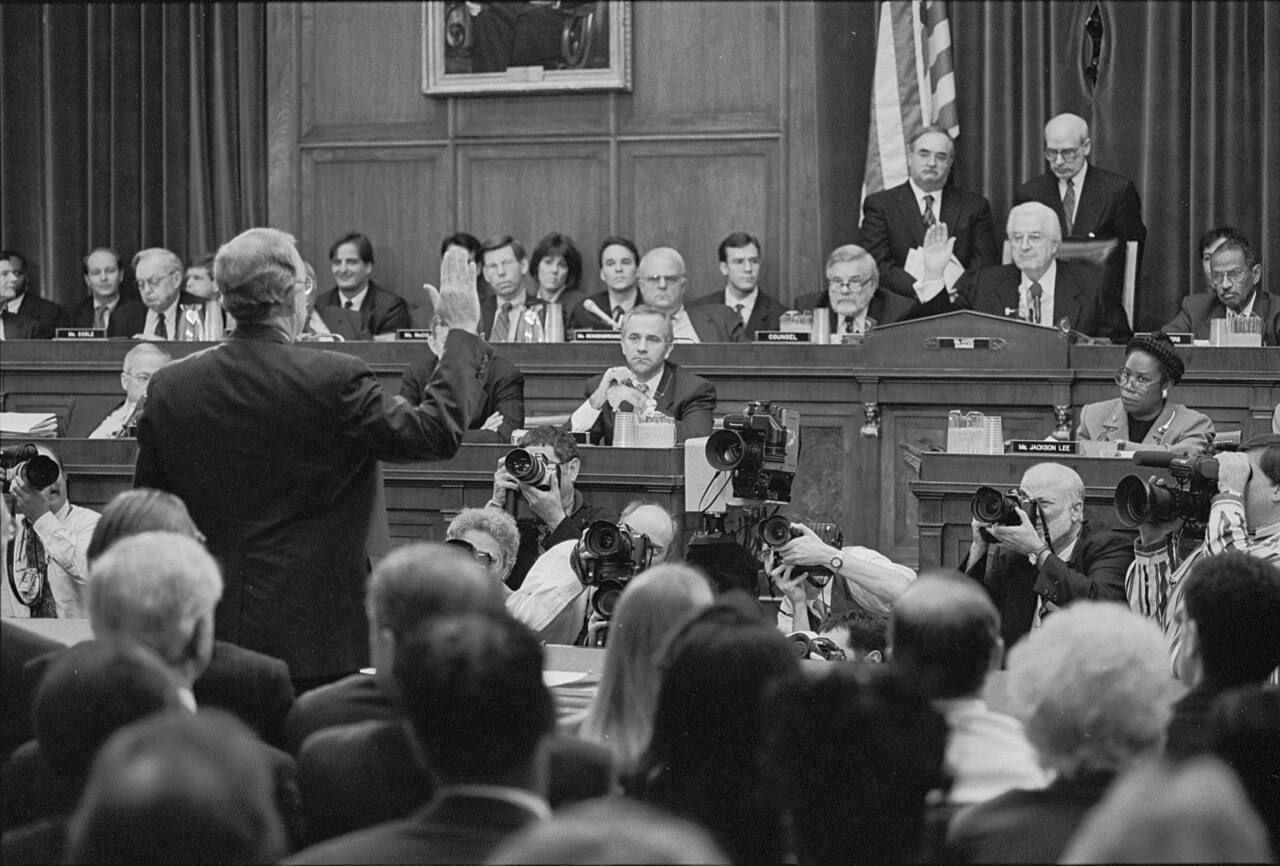
The Process of Treaty Ratification
Treaty ratification is not merely a formality; it is a vital step in the governance of foreign relations. The U.S. Constitution demands that treaties be ratified by a two-thirds majority in the Senate, a threshold that has historically served as a check on executive power. This requirement ensures that treaties undergo rigorous scrutiny, yet it also opens the door to partisan bickering that often distracts from the treaty's implications.
As the Clinton administration pushes forward with a variety of international agreements, including the North American Free Trade Agreement (NAFTA) and the Comprehensive Test Ban Treaty, the political climate is charged with both hope and skepticism. On one hand, advocates argue that these treaties will enhance economic stability and security. On the other hand, critics on both the left and right raise concerns about potential overreach and unintended consequences.
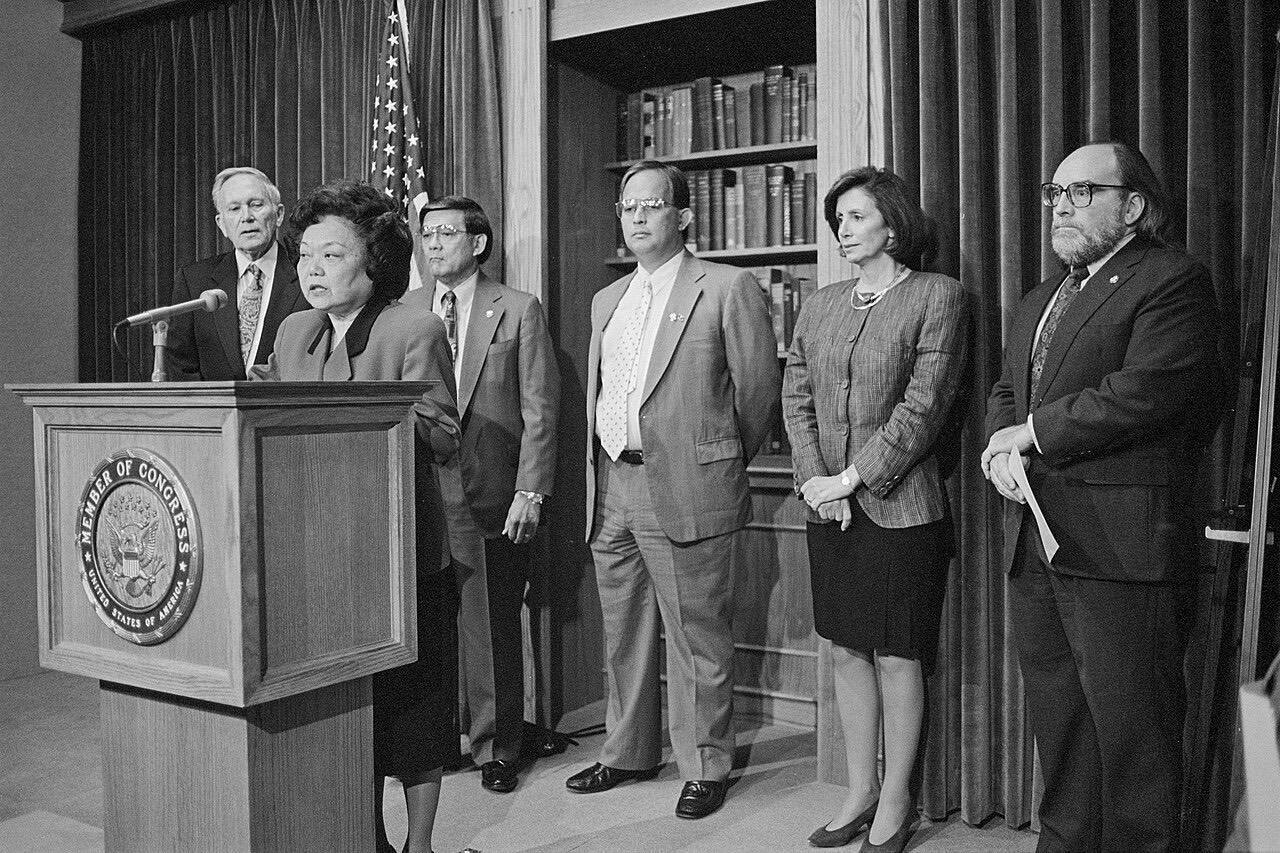
The Left's Perspective
Progressive voices often voice their concerns about the implications of free trade agreements. The specter of globalization looms large, with fears that American workers will be left behind as companies seek cheaper labor overseas. The left's criticism is often rooted in a desire for fairness and equity, cautioning against policies that may exacerbate income inequality or undermine labor rights.
"If we are to embrace a global economy, we must do so with a commitment to social justice and environmental responsibility."
This sentiment encapsulates the fears of many who view treaty ratification as a potential threat to domestic stability. However, while these concerns are legitimate, they can sometimes manifest as an excessive resistance to any form of free trade, which may hinder the potential benefits of international cooperation.
The Right's Response
Conversely, the right often frames treaty ratification through a lens of national sovereignty and security. Many conservative commentators argue that international agreements dilute American power and undermine the nation's ability to act independently on the world stage. This perspective often leads to a knee-jerk opposition to treaties, regardless of their potential benefits.
"We must prioritize American interests above all else and not allow foreign entities to dictate our policies."
While the right's emphasis on national sovereignty is an essential element of the discourse, it can also veer into an excessive isolationism that risks alienating the United States from critical global partnerships. The challenge lies in finding a balance between protecting national interests and engaging in the international community.
The Consequences of Polarization
The current political atmosphere is characterized by a troubling polarization that hampers constructive dialogue. Both the left and right often retreat into their echo chambers, where dissenting opinions are dismissed rather than debated. This division not only complicates the treaty ratification process but also stymies the potential for bipartisan support that is essential for effective governance.
As a result, treaties that could provide significant advantages to the U.S. face an uphill battle in Congress. The lack of collaboration and compromise reflects a broader trend in American politics, where the emphasis on winning has overshadowed the need for dialogue and negotiation. The stakes are high, and the consequences of failure extend far beyond the immediate political landscape.
The Importance of Engagement
It is crucial to recognize that treaty ratification is not merely a bureaucratic process; it is a reflection of the values and priorities of the nation. Engaging in international agreements can foster cooperation on pressing issues such as climate change, trade, and security. A thoughtful approach to treaty ratification can enhance America's standing in the world while addressing the legitimate concerns of various constituencies.
Moving Forward
The path ahead requires a concerted effort from both sides of the aisle to engage in meaningful dialogue. It is imperative for lawmakers to rise above partisan interests and recognize the importance of collaboration in the realm of international relations. The stakes are high, and the ramifications of inaction can have lasting effects on both domestic and global fronts.
In conclusion, the mechanism of treaty ratification may seem dull in its procedural nature, yet its implications resonate deeply within the fabric of our society. As we navigate the complexities of international agreements, let us strive for a balance that honors both our national interests and our responsibilities as a global leader.
✦ ✦ ✦