From the file. Written for the paper dated November 1994. Opened in the public stacks July 14, 2026.
As the political landscape shifts in the wake of the midterm elections, redistricting looms large as a crucial yet often overlooked mechanism that can shape the future of American politics.
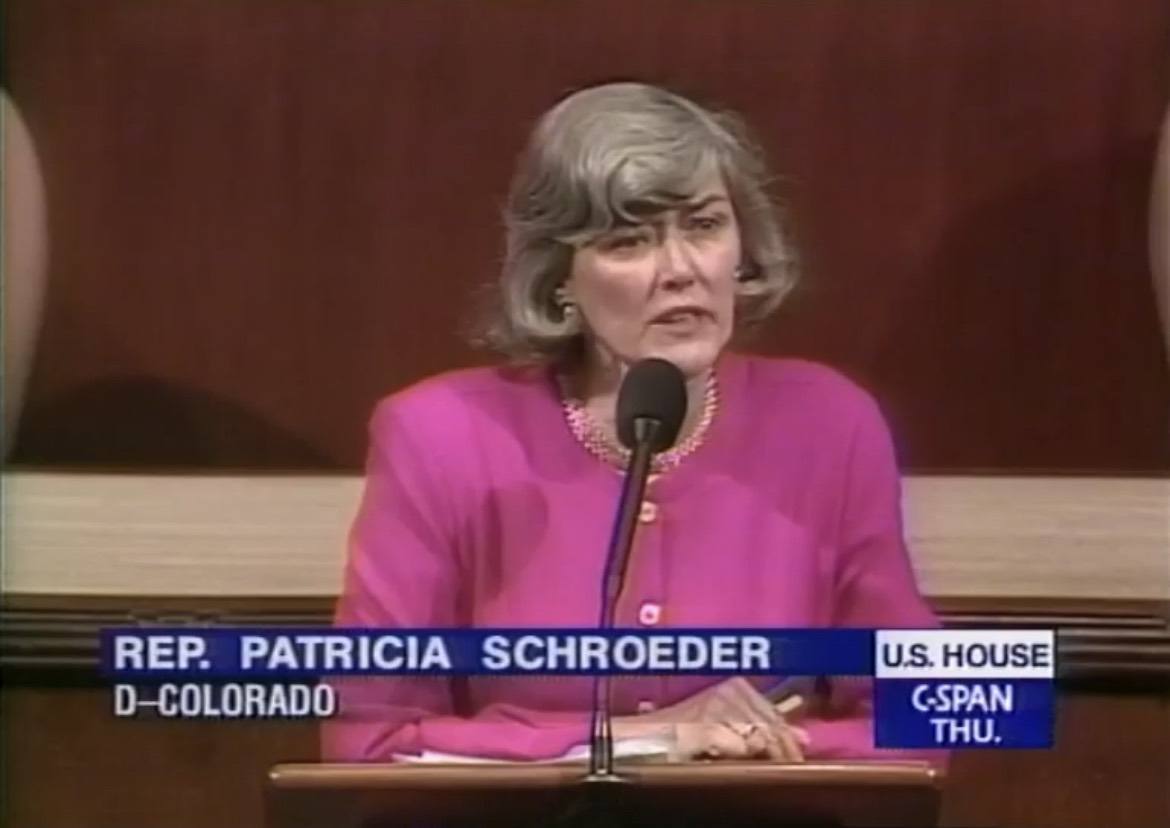
Understanding Redistricting
Every ten years, following the national census, states across the country engage in the process of redistricting - redrawing the boundaries that determine electoral districts. This procedural task might seem mundane, but its consequences are anything but trivial. The way districts are configured can significantly influence electoral outcomes, sway party power, and alter representation.
The Stakes of Redistricting
Politicians, particularly those in power, have long understood the potential of redistricting to bolster their electoral prospects. This practice, sometimes referred to as gerrymandering, involves manipulating district boundaries to create an advantage for one party over another. While the term has a pejorative connotation, it is a tactic utilized by both sides of the political spectrum. In this current climate, the stakes could not be higher.
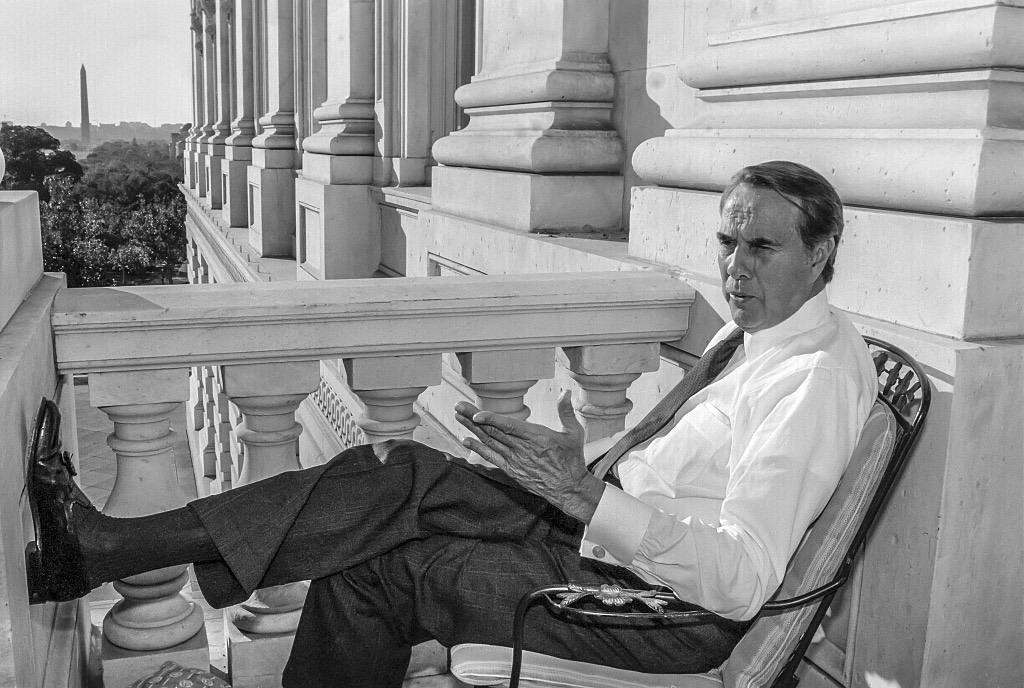
"Redistricting is not just a technical exercise; it is a game changer in the political arena."
Left and Right: A Study in Contrasts
As Democrats and Republicans prepare for the impending redistricting battles, both parties exhibit excesses that are troubling. On one hand, the Democratic Party has embraced a narrative of inclusivity and reform, advocating for fair representation and the elimination of gerrymandering. Yet, when in control, they have not hesitated to redraw district lines in ways that favor their incumbents. This hypocrisy raises questions about their true commitment to equitable representation.
On the other hand, the Republican Party, buoyed by its gains in the 1994 midterms, is also guilty of employing redistricting as a weapon. With their sights set on solidifying power, they have engaged in aggressive tactics to carve out districts that dilute opposition strength. This approach may work in the short term, but it risks alienating moderate voters who seek genuine representation rather than partisan machinations.
Public Perception and Participation
Despite the critical implications of redistricting, public engagement on the issue remains alarmingly low. Many citizens view the process as a complex and esoteric matter, far removed from their day-to-day concerns. This detachment is concerning, as it allows the political elite to operate with minimal scrutiny, perpetuating a cycle where the interests of the few outweigh the needs of the many.
The Call for Reform
In light of the rampant partisanship surrounding redistricting, there is a growing call for reform. Some advocate for independent commissions to handle the redistricting process, arguing that a nonpartisan approach would lead to fairer and more equitable districts. This proposal has gained traction, particularly among voters disillusioned by the perceived self-serving tactics of their elected officials.
However, the challenge remains: how to implement such reforms in a political landscape that thrives on control and manipulation. Both parties have vested interests in maintaining the status quo, making meaningful change a daunting prospect.
A Political Landscape in Flux
As we move further into this redistricting cycle, it is essential for voters to remain informed and engaged. The decisions made in state legislatures will have lasting ramifications on representation, voter turnout, and the very nature of our democracy. Citizens must demand transparency and accountability from their elected officials, ensuring that the redistricting process is not merely a tool for entrenched power, but a mechanism for genuine democratic engagement.
Conclusion: The Power of Participation
Redistricting may seem like a dry subject, but it is undeniably a cornerstone of our democratic system. As we navigate through the complexities of political representation, it is vital that we do not allow this process to be overshadowed by partisan bickering. Instead, let us embrace our role as active participants in democracy, ensuring that our voices are heard and that our interests are represented fairly.
✦ ✦ ✦